Background on Georgia’s Lethal Injection Process
Before joining ProPublica in 2021, the author extensively covered the story of Carlo Musso, a physician from Georgia involved in lethal injections. After Musso left his role, the author sought to identify his successor by filing open records requests. However, Georgia’s strict secrecy laws, which aim to prevent harassment of those involved with executions, made obtaining these records challenging. These laws have been adopted by over a dozen states, shielding details of lethal injection practices.
Legal Battle and Revelations
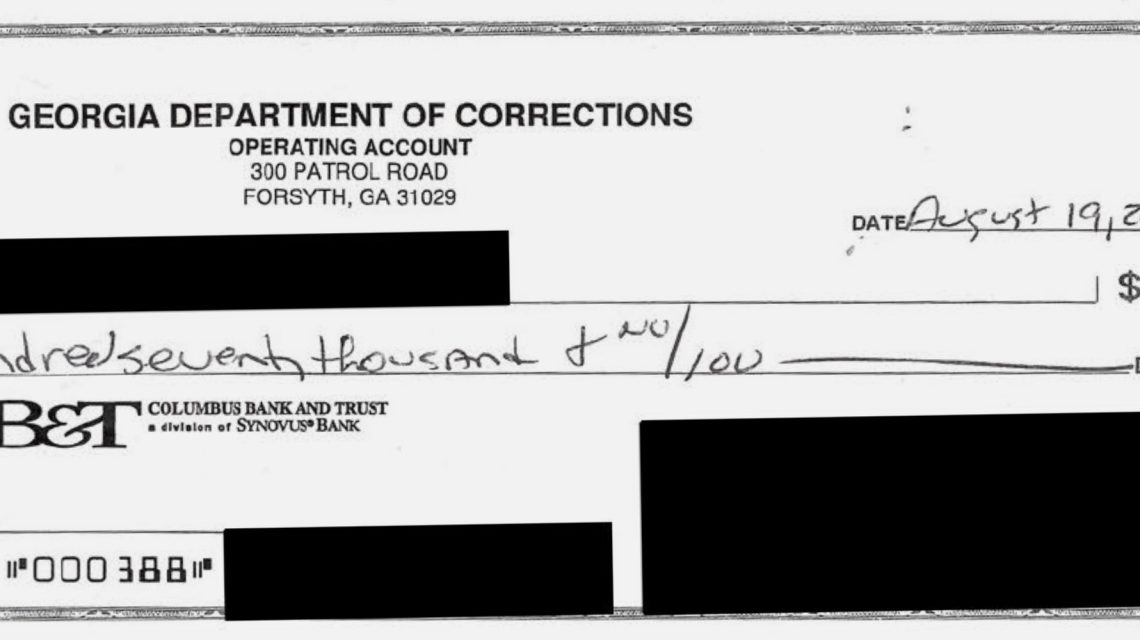
The refusal to release the requested documents led the author to file a lawsuit against the state. Eventually, a panel of three judges ruled in favor of the author, prompting Georgia to release some records. These documents disclosed substantial costs associated with lethal injections, such as payments exceeding $1.1 million to contractors since the COVID-19 pandemic, despite conducting only one execution during this period. The state’s annual expenditure on these processes over the last decade averaged over $150,000, significantly higher than previous years.
“The process itself is problematic, requiring substantial financial investment.” — Deborah Denno, Fordham University
The Secrecy of Execution Costs
Georgia’s secrecy laws obscure public awareness of expenses linked to lethal injections. Legal experts argue these costs highlight the difficulty of finding willing participants to administer such controversial procedures, which may inflict severe pain on inmates. However, state officials insist these laws protect contractors from harassment.
Impact of Lethal Injection Secrecy Act
Since transitioning from electric chairs to lethal injections in the early 2000s, Georgia’s secrecy has intensified. Activists pressured pharmaceutical companies to cease sales of execution drugs, affecting supply chains. The shortage pushed states, including Georgia, to rely on compounding pharmacists. While these pharmacists serve legitimate purposes, their oversight is minimal, potentially affecting the efficacy and safety of drugs produced.
Georgia’s compounding pharmacy involvement led to the 2013 Lethal Injection Secrecy Act. The law’s legal defense cited concerns about identifying participants, arguing it would hinder future acquisition of necessary drugs and personnel.
Ongoing Challenges and Judicial Actions
Despite records release, the Georgia Department of Corrections declined further inquiries about rising costs and ongoing secrecy. Previous efforts to acquire detailed information about execution participants faced legal resistance. The recent Georgia Supreme Court decision could renew scrutiny as state officials plan an upcoming execution.
Several states also incur significant expenses on lethal injection procedures. For instance, Oklahoma increased physician fees from $300 to $15,000 per execution. The Federal Bureau of Prisons reportedly spent millions on staffing for execution processes.
Legal and Financial Implications
Initial document requests by the author were rejected due to concerns about revealing personal information. When documents were finally provided, they were heavily redacted. The records indicate Georgia’s commitments to safeguard contractor identities, even covering attorney fees in specific legal contexts. Furthermore, the records suggest the state may have deviated from its own procurement policies, lacking comprehensive documentation of transaction details.
A lawyer representing the Corrections Department confirmed the absence of detailed purchasing records, stating, “There are no other records.”