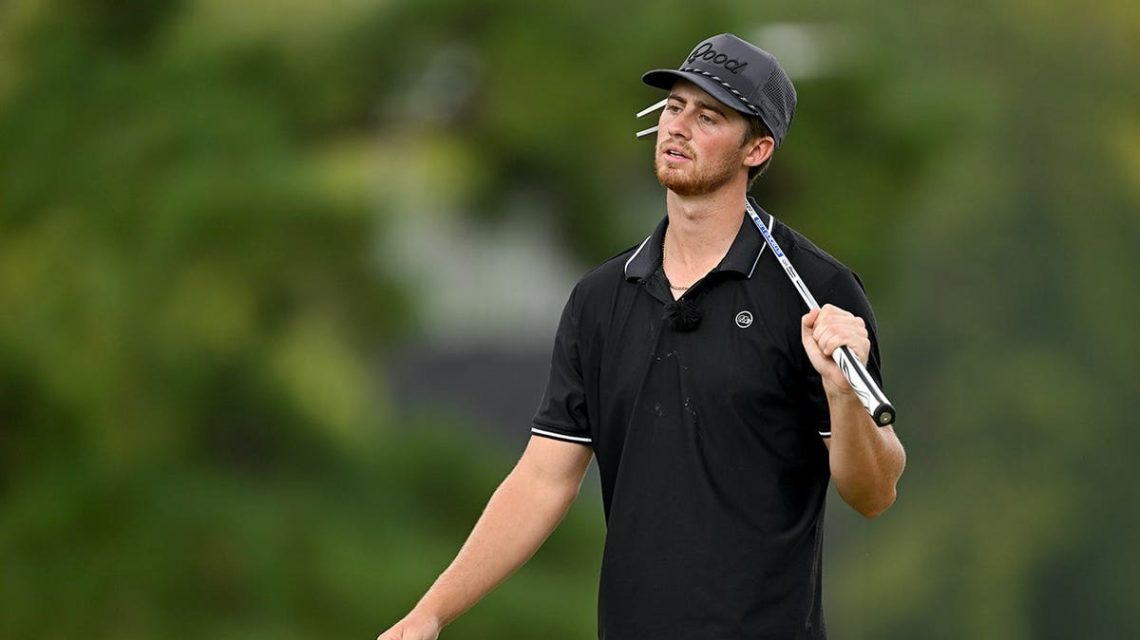
Recently, Good Good Golf, a popular brand among young golf enthusiasts, faced significant backlash. Known for partnerships with major golf brands, their collaboration with Callaway Golf included developing putters, clubs, and balls. Their merchandise appeared in top retailers like WorldWide Golf Shops and online platforms such as Target, Dick’s Sporting Goods, and Golf Galaxy.
The uproar began after Good Good created an ad to promote a branded Callaway driver. This ad parodied the movie “Obsession” but was poorly executed. Garrett Clark, a Good Good founder, appeared shoving a woman, Alexis Miestowski, saying, “do not touch my new driver.” The ad’s depiction was offensive, leading to immediate backlash.
“We posted a video to our channels that ultimately depicted actions that are not aligned with our values as a brand,” the statement said. “We have since taken that content down and sincerely apologize. Good Good has always stood for making the game of golf more inclusive to all, and we will continue to ensure that is our mission moving forward.”
Good Good removed the ad, acknowledging the misalignment with their values in a public apology. Callaway initially distanced itself, expressing disappointment but later revealed their approval of the ad.
Consequences and Reactions
The controversy led to delays for “Big Break X Good Good,” a show set for Golf Channel, as Golf Galaxy requested name removal. Retailers like Dick’s Sporting Goods, Golf Galaxy, and PGA Tour Superstore pulled Good Good’s merchandise.
PGA Tour CEO Brian Rolapp commented on the situation’s mishandling, citing initial disappointment with Good Good’s response. Despite improvements, Rolapp emphasized their continued assessment of the situation.
Clark responded with a video apology, accepting responsibility and clarifying the ad’s concept. He confirmed no real harm occurred, stressing the ad’s misguided intent.
The response involved extreme measures, including canceled shows and product removals. Critics argue these actions suggest endorsement of violence, overshadowing Good Good’s charitable initiatives like their “Good Good Girls” channel.
While some advocate for temporary setbacks, permanent exclusion from golf seems excessive. Young audiences drawn to YouTube Golf value platforms like Good Good Golf, introducing new fans to the sport.
The Broader Implications
The outrage highlights tensions between corporate interests and public perception. Callaway faced no punitive actions despite approving the ad, indicating a performative aspect to the backlash where financial interests prevail.
While Good Good admits fault, the notion of a lifetime ban from golf remains controversial. The event underscores the complex dynamics between sponsorships, media exposure, and consumer expectations in modern sports marketing.
 Stephen A. Smith Discusses Houston Texans’ Critical Matchup Against Dallas Cowboys
  CC Sabathia Anticipates Yankees’ Game 1 Pitcher for ALDS After Beating Red Sox
  Atlanta Dream Progress to WNBA Semifinals
  Los Angeles Lakers Focus on Defense in Luka Doncic Era
  Los Angeles Chargers Face Criticism Amid Team’s Poor Start
  White Sox’s Pope Hat Promotion Shines Amid Playoff Push