
In his final year as governor, Ron DeSantis pushed for significant property tax changes in Florida. This led to the passage of Amendment 3, promising substantial reductions for most homeowners. Although not the complete elimination of property taxes DeSantis envisioned, the amendment represents a major shift. Lawmakers opted for a less drastic version, increasing property tax exemptions for nonschool taxes to $150,000 in 2027 and $250,000 in 2028.
Despite his initial reluctance, DeSantis celebrated the amendment’s approval by 62% of voters as a win for homeowners. His involvement, however, might impact his future presidential ambitions. Darryl Paulson, emeritus professor of government at the University of South Florida, noted DeSantis’ leadership in passing huge tax cuts during a time when the GOP saw minimal losses, tying these successes to Amendment 3.
Experts differ on whether DeSantis will benefit politically from Amendment 3. While he failed in his 2024 presidential bid, the tax cuts might improve his standing among voters seeking fiscal relief. Yet, his personal popularity remains a barrier, as noted by Paulson.
The reform, while popular with many homeowners, presents risks. Local governments could face a $12 billion annual shortfall, potentially leading to reduced services or increased fees, as explained by Sadaf Knight from the Florida Policy Institute and J. Edwin Benton, a political science professor at the University of South Florida.
Benton explained that necessary services like police, fire, and EMS could see funding cuts, resulting in possible additional charges for services currently subsidized by property taxes.
Florida’s property tax reform might also influence DeSantis’ political future. With DeSantis no longer holding office when Amendment 3 takes full effect, potential dissatisfaction among voters might affect his presidential aspirations in 2028. According to Benton, if the changes are poorly received, they could tarnish his legacy. However, if other states adopt similar reforms and more people flock to Florida for tax advantages, his role in the legislation might bolster his political standing.
DeSantis’ potential presidential run hinges on various factors, including shifts within the Republican Party. Aubrey Jewett of the University of Central Florida indicated that while DeSantis hasn’t announced intentions for 2028, his ambition and limited career options suggest a possible run.
While DeSantis’ relationship with former President Trump could affect his candidacy, his record in Florida, especially the new tax policy, will be under scrutiny. Jewett speculates that DeSantis could avoid blame if the policy backfires, distancing himself from its implementation by pointing to deviations from his original plan.
Ultimately, DeSantis’ role in Florida’s property tax reform will shape his political narrative, whether it serves as a lesson of sound fiscal management or a cautionary tale of unintended consequences.
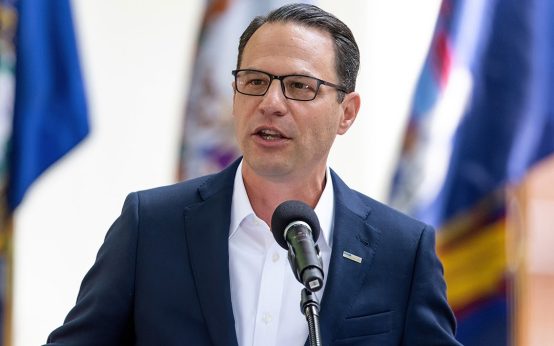 Texas Governor-elect Expanding Abortion Exceptions and Pennsylvania’s Abortion Rights Debate
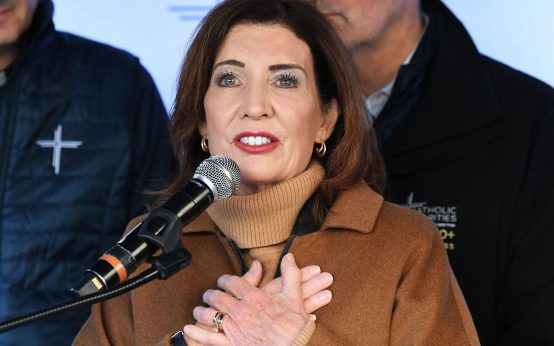 Gov. Hochul’s Upcoming Battle Against New York’s Trial Lawyers
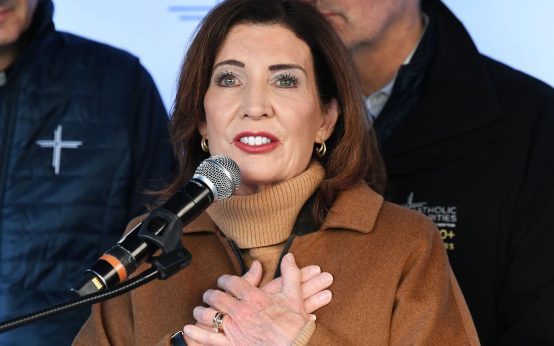 Governor Hochul’s Strategy to Enhance New York’s Affordability
 States Challenge Immigrant Enforcement Amidst Legal Battles
 The Rule of Law and the Fall of the Roman Republic
 Latest Developments in Politics, Technology, and Economy