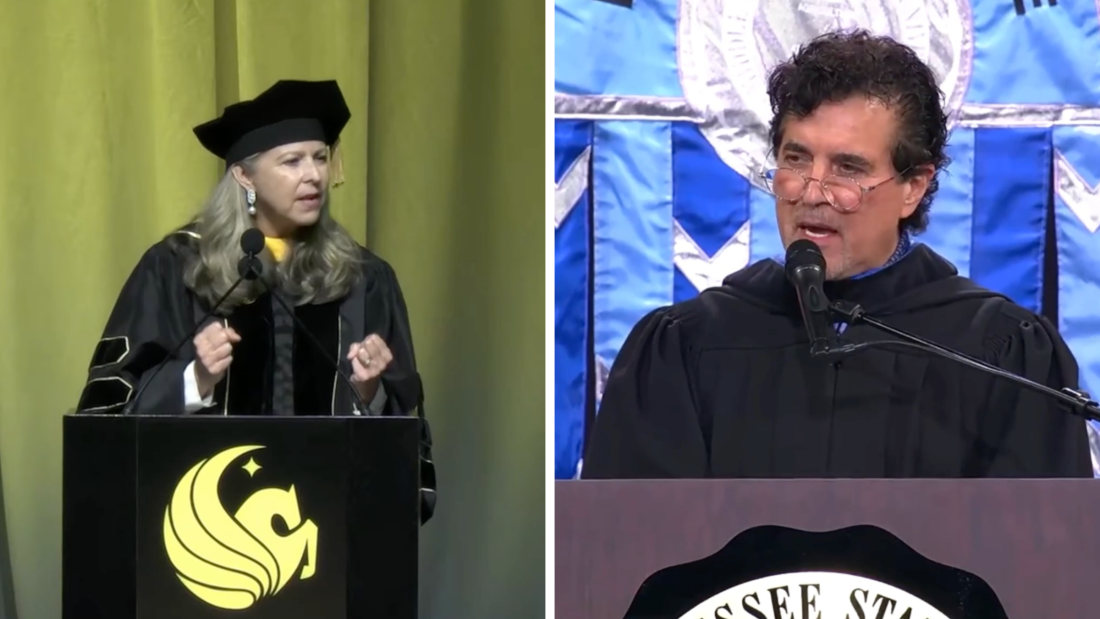
Real estate executive Gloria Caulfield and Big Machine Records CEO Scott Borchetta faced boos when they mentioned artificial intelligence during graduation ceremonies. At the University of Central Florida and Middle Tennessee State University, students expressed disapproval as AI became a topic of discussion.
Glendale Community College also experienced issues when an AI system read incorrect names during its commencement. College president Tiffany Hernandez tried to calm the audience, which responded negatively to the AI explanation.
Other speakers discussing AI’s profound effects have also been booed. Caulfield called AI “the next industrial revolution,” which led to discontent among University of Central Florida graduates. At Middle Tennessee State University, Borchetta remarked, “AI is rewriting production as we sit here,” prompting further boos. Despite this, he argued that AI should be seen as a tool.
Former Google CEO Eric Schmidt faced a similar reaction at the University of Arizona. His statement that AI will inevitably shape the world did not resonate well with graduates.
AI integration began when apps like ChatGPT launched in 2022. This coincided with the start of many students’ college journeys, influencing both positive and negative outcomes. Maggie Simmons from the University of Denver expressed concerns about AI’s potential to harm both the planet and minority communities, citing reinforced systemic racism and environmental impacts on neighborhoods.
Kareen Gill, a political science graduate from American University, mentioned initial excitement about AI now turns to worry over job prospects. Students see AI replacing entry-level positions, like answering phones, affecting their career paths.
Chetan Jaiswal, a professor at Quinnipiac University, highlighted a March poll showing generational differences in AI concern. Gen Z, despite familiarity, feels most pessimistic, with 81% fearing AI will reduce job opportunities. The poll revealed growing apprehension about AI as its effects become clearer.
Gill voiced broader concerns about AI enriching billionaires and harming the environment. The Quinnipiac poll indicated only 5% of Americans believe AI development is driven by representatives of their interests.
 Troy Swanson: Award-Winning Librarian Transforming Academic Libraries
 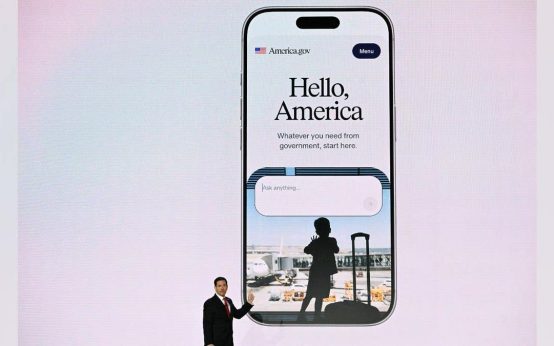 Trump Unveils AI-Powered America.gov Platform
  Cornell University to Investigate Handling of Alleged Assault Case
  Legal Challenge Against School Funding Inequalities in West Virginia
  Potential Changes Loom for School Voucher Programs
  Regents Exam Elimination Raises Concerns Over Student and School Accountability