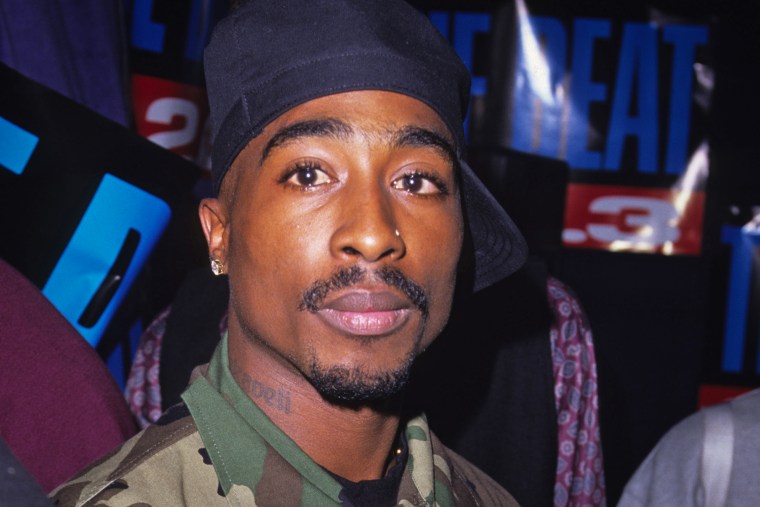
Verdict Reached in Tupac Shakur’s Murder Case
Duane “Keffe D” Davis has been found guilty of first-degree murder with the use of a deadly weapon in connection with the 1996 killing of rapper Tupac Shakur. Clark County prosecutors described Davis, 63, as a former leader of the South Side Compton Crips in Los Angeles. They presented evidence that he sought revenge on Shakur after the rapper attacked his nephew.
Courtroom Reactions
Following the guilty verdict, State District Judge Carli Kierny ordered Davis to remain in custody until his sentencing on October 13. Davis plans to appeal the decision. During the verdict announcement, Davis’ son appeared distressed, and Tupac’s sister, Sekyiwa Shakur, was seen crying.
Davis’ Connection to the Crime
Although Davis did not pull the trigger, Nevada law allows for conviction of individuals who assist in committing a murder. According to prosecutors, he was the only surviving person in the vehicle with the shooter.
The Mystery of Tupac’s Murder
This trial revisited the longstanding mystery surrounding Shakur’s death, which has fascinated rap enthusiasts, true crime devotees, and conspiracy theorists for decades. Shakur, a major figure in hip-hop, was just 25 years old when he died and remains highly influential.
Chief Deputy District Attorney Binu Palal stated in his closing arguments that Davis actively pursued Shakur and Death Row Records co-founder Marion “Suge” Knight after they were seen at the MGM Grand Hotel in Las Vegas attacking Orlando “Baby Lane” Anderson, who was related to Davis.
Evidence Presented
Jurors watched security footage and listened to testimony from former law enforcement officers regarding the fight that occurred hours before Shakur and Knight were shot in a drive-by attack. Knight survived; Shakur succumbed to his injuries six days later.
In 2008, Davis participated in a federal investigation into the death of rapper Notorious B.I.G. Davis claimed immunity based on an agreement called a proffer, which did not exempt him from future prosecution for details connected to Shakur’s murder. The agreement led Davis to reveal information only a witness could know, including vehicle positions during the shooting.
Davis’ 2019 memoir, “Compton Street Legend,” was used as key evidence in the trial. The book detailed his involvement in Shakur’s murder, prompting a renewed investigation. Deputy District Attorney Bilal argued that Davis repeatedly confessed to the crime in various forums.
Prolonged Investigation
The murder triggered extensive investigations from Las Vegas to Compton, fueled by unreliable witnesses and a culture of silence. Former law enforcement professionals recounted the challenges faced due to conflicting statements and lack of cooperation.
Defense attorney Michael Sanft highlighted discrepancies in Davis’ statements, arguing they were motivated by financial gain and notoriety. Sanft emphasized the absence of physical evidence linking Davis to the crime scene, including records or receipts that would confirm his presence in Las Vegas during the murder.
Retired detective Dan Long supported the defense, testifying that his attempts to verify Davis’ statements were unsuccessful. Sanft urged jurors to question whether Davis’ statements were credible enough to warrant a guilty verdict.
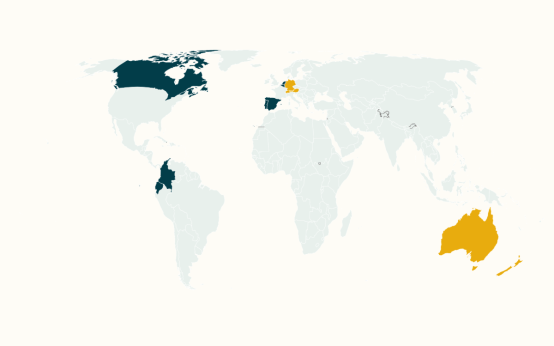 Dutch Review Board’s Euthanasia Ruling and International Debate
  Israeli PM Commends Heroic Actions in Flight Emergency
 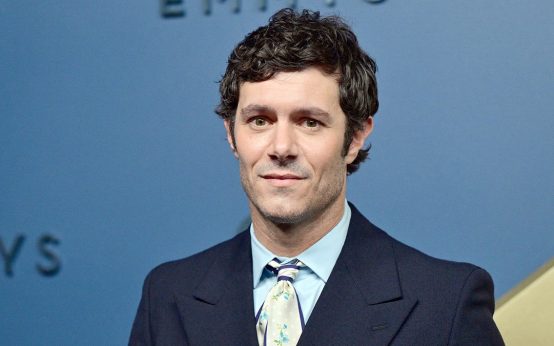 Rabbi and Jewish Leaders Criticize Adam Brody for ‘Genocide’ Comment
  Flydubai’s Emergency Landing Highlights Cockpit Security
 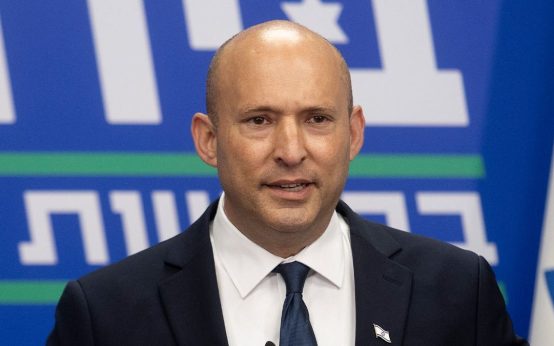 Former Israeli PM Naftali Bennett Commends Passengers and Crew for In-Flight Heroism
 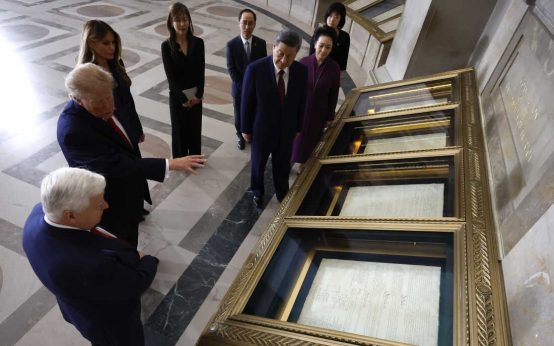 Diplomatic Complexities Unfold at U.S. National Archives Visit