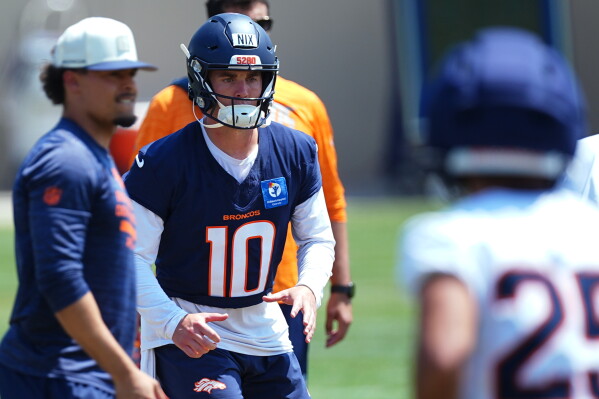
Matt Hasselbeck, a former NFL quarterback, reflects on his career filled with potential head injuries. Despite 17 years in the NFL, four years at Boston College, and a childhood immersed in sports, Hasselbeck appears to have navigated numerous collisions without significant damage. Now 50, he enjoys life with his wife and three children, while recognizing that many friends and former teammates haven’t been as fortunate.
Participating in CTE Research
Hasselbeck recently spent two days at Boston University, undergoing extensive scans and tests to ascertain the impact of his sports career on his brain. This effort aims to make progress toward diagnosing chronic traumatic encephalopathy (CTE) in living individuals, which remains a challenge for doctors. Hasselbeck feels compelled to contribute because many of his peers have suffered from brain damage due to repeated blows to the head.
They need guys like me — they need people who are feeling good to step up to the plate and volunteer.
CTE is a degenerative brain disease associated with concussions and head trauma in contact sports and military combat. Over 100 former NFL players have been diagnosed posthumously, shedding light on this condition’s profound impact.
Current Study Goals
The Boston University CTE Center, led by Michael Alosco, seeks to expand this study to hundreds of participants. This research encompasses those who played professional or college football, as well as those diagnosed with Alzheimer’s disease who have not experienced repetitive head impacts. The study’s goal is to pinpoint the differences between Alzheimer’s and CTE, with hopes of eventually diagnosing CTE in the living. Alosco stresses that understanding these diseases requires intense research efforts and participant involvement.
Nicholas Ashton, leading research in Phoenix, notes the necessity of learning more about CTE. Accurately diagnosing the disease while patients are alive means treatments can be developed, similar to advancements in Alzheimer’s care.
In-Depth Testing Experience
Hasselbeck underwent various mental tests and brain scans during his participation. He described the procedures as enlightening and humbling, acknowledging the challenges faced by individuals with serious brain conditions. He plans to donate his brain for future research on CTE.
Bryan Savage, a former college linebacker, also participated in the study and plans to donate his brain. Savage, diagnosed with depression and ADHD, emphasizes the importance of exploring potential links to past head trauma. Encouraged by the normal results of his brain scans, Savage urges others to join the study, fostering a broader understanding of the disease.
Alosco highlights the need for more research participants, noting that while Alzheimer’s research has benefited from extensive data over decades, CTE research is still in its early stages.
Shifting Culture in Sports
Hasselbeck’s career from 1998 to 2015 saw significant changes in how head injuries were treated. Initially, players often downplayed injuries to showcase toughness. By the mid-2010s, there was a more open acknowledgement of potential concussions. Hasselbeck supports this shift and views his involvement in the CTE study as a way to further promote safety in football.
 Nick Saban’s Comments on ESPN Spark Debate Over College Sports Regulations
  Freddy’s American Adventure: From Soccer to College Football
  Brock Purdy’s Impressive Start in the 2026 NFL Season
  The Value of Retaining Miles McBride for the Knicks
  Penguins Make History with Dominant Season Opener
  Sonny Gray Expresses Frustration After Game Against Yankees