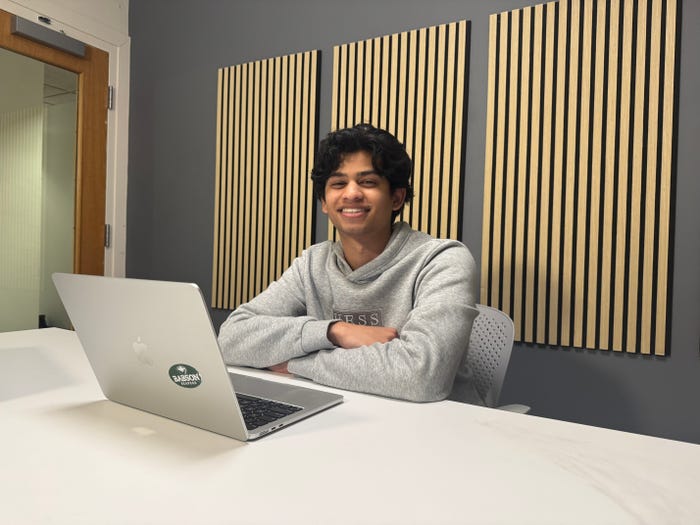
Stavya Nilawar established his creator-marketing agency, Nilawar, with an initial investment of about $35. While studying at Babson College, he dedicates time to expanding his business. His weekdays include classes from 8 to 11:15 a.m., followed by lunch, and then a five-hour work period. After dinner, he continues working for an hour or two.
Nilawar’s company links brands with YouTube creators for sponsored content and dedicated videos. His clientele includes AI companies like CodeRabbit and Wispr Flow, along with campaigns featuring Jack Link’s x MrBeast. He typically receives 20% of the project fees. To start, he spent approximately $35 on a website domain and two email inboxes.
He initially built his network by manually searching TikTok for creators’ contact information. With a roster of 10 to 15 creators, he began pitching to brands. His monthly expenses stay below $1,500, while his revenue exceeded $100,000 for the first time in October. Business Insider confirmed his revenue through monthly business-account statements.
“The main expenses are virtual assistants,”
Nilawar stated, spending around $1,000 monthly on them to manage outreach, including sending 200 to 300 emails daily with follow-ups.
Key Strategies for Success
1. Choose a Niche Based on Opportunity
Nilawar advises against selecting a business niche solely based on passion. For him, the business model took precedence. He decided to focus on AI companies due to their growth and ready budgets for creator partnerships, despite not having a passion for AI.
He recommends selecting a business model you enjoy, then identifying a niche with strong demand and paying customers.
2. Learn from Those Already Succeeding
When starting in influencer marketing, Nilawar benefited from industry contacts who explained the business dynamics. He learned that a 20% agency cut was standard. He actively seeks guidance from those further along in the industry, including his current mentor who operates a successful agency.
His advice is to find someone with a similar business and learn from their experiences.
3. Develop a Systematic Outreach Process
Initially, Nilawar managed everything, including creator sourcing and emails, manually. He stresses the need for a systematic approach to outreach for getting clients. He experimented with different email strategies to attract brands in his niche.
Now, virtual assistants and software enhance his outreach efforts. Nilawar highlights responsiveness as his agency’s advantage, aiming to reply to clients within two to five minutes.
4. Treat Mistakes as Learning Opportunities
During a major campaign, Nilawar faced challenges when a creator missed deadlines and delivered unsatisfactory content. A brand considered canceling part of the deal, risking a $25,000 penalty for Nilawar.
Although the issue was resolved, the experience taught him the importance of managing expectations and maintaining communication. Instead of seeing challenges as failures, Nilawar views them as lessons gained while stakes are still manageable.
 The Daily Routine of Klook’s CEO Focused on Fitness and Efficiency
 The Jensen Huang Controversy: Silicon Valley’s Divided Opinion
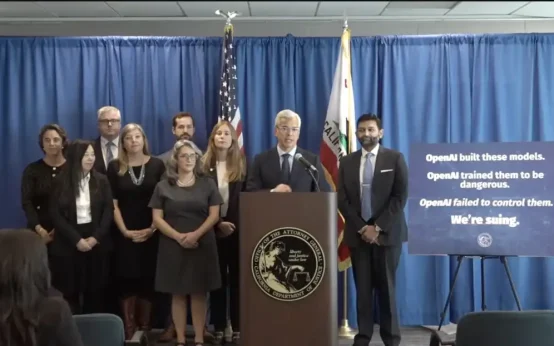 California Lawsuit Against OpenAI: Key Details and Implications
 Updates on Key International and Domestic Events
 E.l.f. Cosmetics Breaks Makeup World Record at TwitchCon
 Understanding Credit Freeze, Fraud Alert, and Identity Monitoring