Nikiyah Clark arrived at Howard University with only five boxes and a backpack. Earlier, the university had told her she would not be attending.
Clark, alongside many others, was informed of permanent unenrollment due to missing a tuition deadline. She traveled by bus from Cleveland, Ohio, pleading her case. Her hopes for Howard as a stable environment and a financial stepping stone seemed dashed. “I lost my way out,” the 17-year-old said after leaving in tears.
Fortunately, Howard University reversed its decision, allowing her to enroll. Yet, as she settled into campus life, Clark remained worried about future changes. She urged Howard University to prevent others from facing the same ordeal.
Howard’s unenrollment saga involved more than 500 first-year students missing a July payment deadline, with only about 200 regaining their spot. Unrelated to these events, Howard offered early retirement packages to 600 employees, explaining it as a move towards financial stability.
Among those affected was Zy’Aira Blackmon, a prospective Howard student. Having her enrollment revoked and then reinstated, the 18-year-old from Grand Rapids, Michigan reconsidered her college choice. She decided to attend Western Michigan University instead, feeling Howard’s previous image had faded.
Similarly, 17-year-old Yuisa Davis from Puerto Rico was unenrolled despite paying what she believed was owed. Her mother flew in to seek answers, but with little success. Security was called during the exchange. Yuisa is now looking into options at The New School in New York.
Howard University highlights miscommunication as the crux of the issue. Interim President Wayne A. I. Frederick explained adherence to the payment policy. Many students and parents did not note the operative July deadline, even as more than 2,200 students adhered to it.
Some students, like Blackmon, insisted they followed the rules, noting uncounted scholarships in their balances. Despite reinstatement, communication gaps persisted.
Ashley Christopher, an attorney and Howard alumna, posited shared responsibility between Howard and the students. Her foundation, HBCU Week, provides scholarships and suggests transparency from schools.
Clark hopes Howard will refine its enrollment process. “I’ve yet to fully move past this,” she admitted.
Howard University, established nearly 160 years ago, remains a highly regarded historically Black college. It retains notable alumni like former Vice President Kamala Harris and actor Chadwick Boseman.
Known for producing successful graduates, including Black doctors, Howard holds a respected position among HBCUs, despite the recent enrollment incident. The costs are significant, topping $66,000 annually, but graduates see a median income of about $73,000.
The “scandal,” as termed by Christopher, may temporarily tarnish Howard’s image but shouldn’t impact its legacy as “The Mecca” of Black education in the long run. She emphasized Howard’s crucial role in setting standards for other HBCUs.
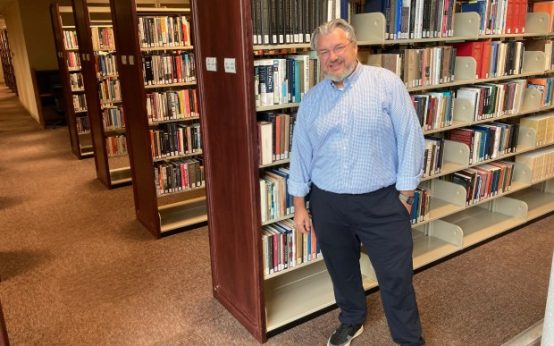 Troy Swanson: Award-Winning Librarian Transforming Academic Libraries
 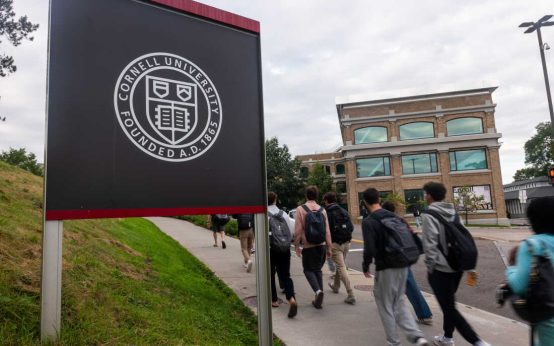 Cornell University to Investigate Handling of Alleged Assault Case
  Legal Challenge Against School Funding Inequalities in West Virginia
  Potential Changes Loom for School Voucher Programs
  Regents Exam Elimination Raises Concerns Over Student and School Accountability
  Education Funding Disparities in West Virginia