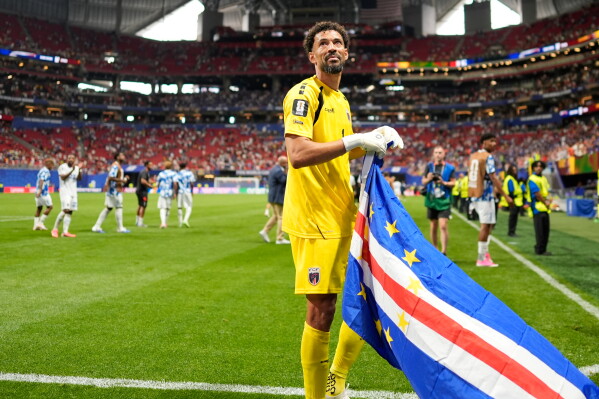
Curaçao fans erupted with joy while the Germans were taken aback. Livano Comenencia’s goal for Curaçao against four-time champion Germany at the World Cup was historic. At 1-1 in Houston, an upset seemed possible. However, the game took a different turn during a hydration break. Curaçao lost momentum, resulting in a 7-1 defeat to Germany.
Former England striker Alan Shearer shared on The Rest is Football podcast, “I actually felt sorry for them. They scored and then it was maybe 30 seconds after that it stopped. So it’s killed their momentum.”
New Hydration Breaks
FIFA introduced hydration breaks midway through each half for the World Cup in the U.S., Canada, and Mexico. These breaks aim to combat the summer heat. However, critics argue that they disrupt the game and allow coaches to change tactics.
Roy Keane, a former Ireland international, said on The Overlap podcast, “We’re in America, right? So, it’s like it is a timeout. We love football because of the pace of the game… what it’s doing is stopping the flow of the game, the momentum.”
A Tactical Opportunity
Coaches are using these breaks to provide tactical guidance. The effect is noticeable. For instance, Uruguay’s and Spain’s coaches were seen talking to players during these pauses. Netherlands coach Ronald Koeman noted the breaks’ potential for strategic input.
In half of the first 16 matches, teams scored within 10 minutes of a hydration break. However, Curaçao and Morocco struggled with the shift after breaks against Germany and Brazil, respectively. Meanwhile, teams like Canada and Sweden benefited from goals scored soon after the restart.
Fan Experience and Criticism
The breaks affect the fan experience. Booing was reported during the Iraq-Norway game in Foxborough, Massachusetts. Games pause 22 minutes into each half for players to rehydrate. This occurs regardless of the weather conditions.
Spain coach Luis de la Fuente expressed doubts about the necessity at every match. He said the breaks make sense in extreme heat but are less needed in cooler conditions. Norwegian coach Staale Solbakken echoed these sentiments.
Commercial Breaks
Broadcasters cutting to commercials during breaks have also faced criticism. In the U.S., Fox airs commercials, while Telemundo does not. Unlike baseball or basketball, soccer does not traditionally feature adverts during play except at halftime.
Netherlands captain Virgil van Dijk, watching on TV, noted, “Every time going to a commercial is a bit… not really (something) that I like.”
French coach Didier Deschamps acknowledged the changing landscape of soccer, likening the game structure to four quarters rather than two halves. It remains uncertain if hydration breaks will continue in future World Cups. However, the English Football Association indicated these breaks are unlikely for the European Championship hosted in 2028.
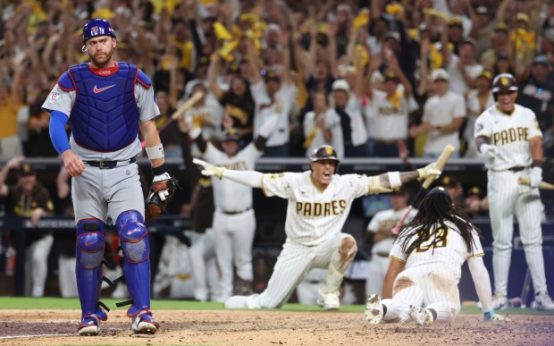 Chicago Cubs Struggle in Wild-Card Series Against Padres
 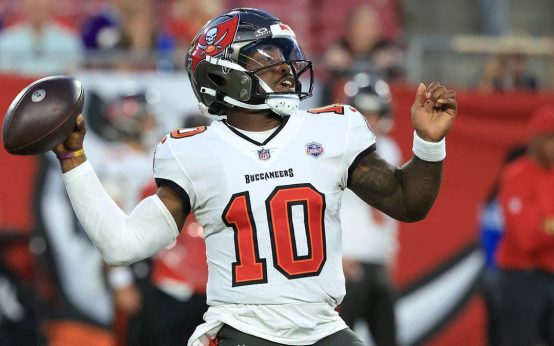 Jalon Daniels to Start for Buccaneers in Crucial Game Against Packers
 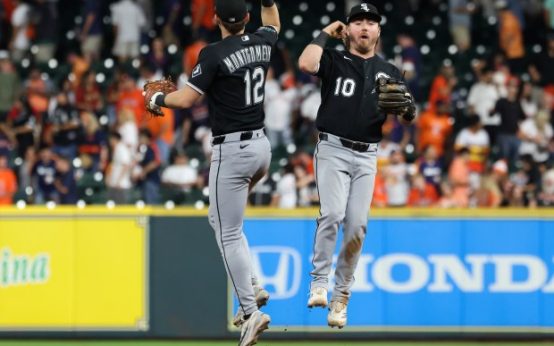 White Sox Advance to AL Division Series Against Guardians
  The Hites Brothers: From Backyard Football to Leading St. Ignatius
  The Quest for the Knuckleball Dream
  Historical Events in Chicago on October 1st