The Immigration and Customs Enforcement (ICE) officer involved in the shooting of a Colombian man in Maine is an Army vet with a history of mental health problems, according to his family. David Brouillette, facing allegations of violent behavior, never should have been entrusted with enforcement duties, relatives informed The Associated Press (AP).
Brouillette has a record of violent acts, including alleged attacks on women and issuing threats. A relative shared a voicemail where he expressed someone should slit her throat. Such concerns point to possible oversight failures by the Department of Homeland Security (DHS) during heightened recruitment efforts under President Trump’s immigration policies.
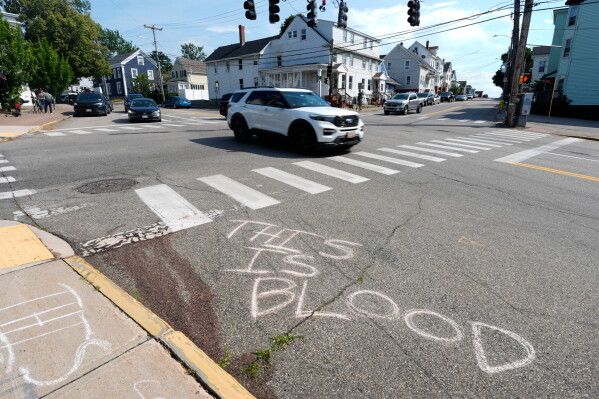
Brouillette shot and killed Johan Sebastián Durán Guerrero, a 25-year-old Colombian, in Biddeford. DHS stated the shooting occurred as the vehicle attempted to flee, posing a risk to public safety. Brouillette has not commented, but family members noted he claimed self-defense.
ICE spokesperson Lauren Bis declined to address Brouillette’s record, only noting his extensive training. The White House directed inquiries to ICE.
A Background in Law Enforcement and the Army
In late 2025, Brouillette connected with ICE, unbeknownst to his ex-wife Ashley Brouillette due to his history of psychiatric challenges. Video evidence of the shooting convinced her of his employment with ICE. Ashley and their daughter Madison confirmed that Brouillette admitted to the shooting.
Ashley Brouillette told the AP, “I divorced him because he was physically abusive.” She recalled a specific incident involving boiling water and their daughter.
Despite lacking a criminal record in Maine, court archives reveal numerous abusive claims from his second ex-wife, who secured protection orders against him. His daughter detailed more instances of aggression at home.
Family members shared insights into Brouillette’s struggles, including a bipolar disorder diagnosis and suicidal tendencies since youth. His military aspirations were rooted in high school interests, yet mental health diagnoses impacted recruitment. He circumvented disqualification by pausing medication, eventually enlisting.
Military Experience and Subsequent Career
Brouillette’s military record shows service in the Maine Army National Guard and a deployment in Afghanistan, where family members believe his mental challenges intensified. His transition from military to civilian life involved various jobs, including a stint with the Maine Correctional Center. Injuries curtailed his firefighter training ambitions.
Despite difficult circumstances, Brouillette held a brief role as a Department of Veterans Affairs police officer and later pursued a career in real estate with Realty of Maine. Court documents detail financial struggles, including disability collection and a child support lien.
Brouillette, in a voicemail to his ex-wife, expressed disturbing sentiments, questioning the resolve behind past aggressions. His ex-wife avoided contact until the shooting surfaced online.
Madison mentioned her father rationalizing the incident as justified, citing self-defense claims to his family. Ashley described his pleas to protect his reputation and past actions.