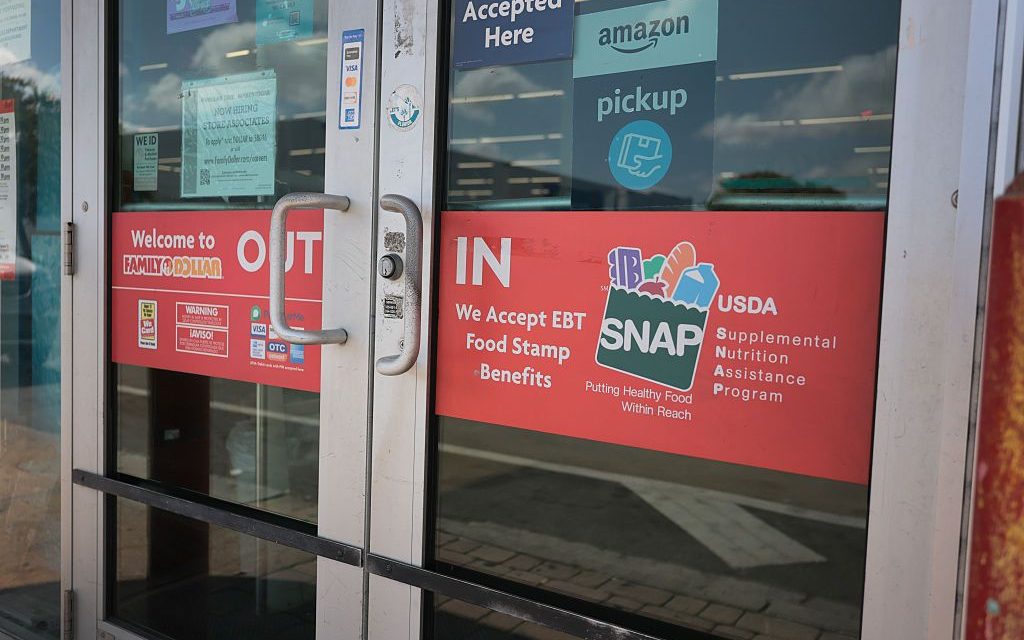
Since July 2025, millions of Americans, including around 2 million children, have lost access to the Supplemental Nutrition Assistance Program (SNAP) following significant changes signed into law by President Donald Trump. This steep decline raises concerns as new Medicaid work requirements are set to begin in January. Although children are exempt from stricter SNAP work rules, changes affecting parents may disrupt benefits for entire households. The connection between SNAP and Medicaid eligibility could cause further issues for low-income families.
According to the Center on Budget and Policy Priorities (CBPP), SNAP participation dropped by 5.5 million people or 13% between July 2025 and July 2026, reaching its lowest level in 17 years. The group estimates that 2 million children stopped receiving benefits. Meanwhile, Medicaid and CHIP enrollment among children decreased by 2.56 million from January 2025 to August 2026, as reported by Georgetown University Center for Children and Families.
Why Are Children Losing SNAP Benefits?
The 2025 reconciliation law accelerated the decline by altering SNAP eligibility, work-related rules, and administration. According to the CBPP, the decrease is not due to the labor market conditions, as unemployment stayed at around 4% nationally during the same period. Additionally, every state but Alaska saw a drop in SNAP participation. Gina Plata-Nino from the Food Research & Action Center emphasizes that these changes could impact children’s access to other nutrition programs and school meals, risking their nutrition, health, and education.
The USDA maintains that SNAP remains an appropriated entitlement, meaning eligible families continue to receive benefits without funding cuts. They argue that declines began in some states before H.R. 1 became law. Dr. Lee Bowes, CEO of America Works, points out that requiring individuals to report work hours does not assist them in securing stable employment, emphasizing issues such as childcare and transportation responsibilities. Example: a woman lost hours and food assistance due to a client’s hospitalization, despite her willingness to work.
SNAP Enrollment Is Falling Faster Than Medicaid and CHIP
In 26 states analyzed by Georgetown, 1.6 million fewer children received SNAP in May 2026 compared to January 2025, representing a 15.7% decline. This is around 2.5 times the rate at which Medicaid and CHIP enrollment fell, which was 6.3%. For example, in Arizona, child SNAP participation plummeted by about half, whereas Medicaid and CHIP declined by 12.2%. Moreover, 12-month continuous Medicaid or CHIP eligibility protects children from sudden coverage loss, unlike SNAP.
What Losing SNAP Means for a Family’s Finances
Families losing SNAP often redirect spending from other important expenses. Financial educator Michael Ryan explains that groceries take precedence over bills like electricity or car payments. These trade-offs can ripple into compounded financial issues, such as late fees or reduced work hours. The time and costs involved in rectifying eligibility issues further strain households. Missed forms, not increased income, often lead to losing benefits.
Food Banks Face Pressure as SNAP Participation Falls
Triada Stampas, from Fulfill, a New Jersey hunger-relief organization, notes rising demand for charitable food as families cope with reduced SNAP benefits. Her organization serves 150,000 people monthly, a 34% increase over last year. Over 40,000 New Jersey residents have lost SNAP benefits since last summer. Issues like understanding work requirements or exceptions can complicate eligibility, sometimes severing automatic access to school meals for some families.
States Face New SNAP Costs
Beginning October 2027, states must cover part of SNAP benefit costs, influenced by payment error rates. The CBPP estimates states may face $9 billion in costs based on 2025 error rates. This has already encouraged states to modify procedures to improve payment accuracy. Around 100 bills in 2026 aimed to address SNAP changes, adding potential barriers for eligible households. Federal funding cuts for state SNAP administrative expenses compound these challenges as states work to enact the new eligibility and administrative requirements.
Medicaid Work Requirements Take Effect in 2027
New Medicaid work requirements will be implemented for certain adults starting January 2027, necessitating 80 hours monthly in work, education, or community activities. While children remain unaffected directly, the intersection with SNAP could indirectly impact them. The Congressional Budget Office estimates 5.3 million more uninsured individuals over 10 years due to Medicaid work rules, with SNAP participation decreasing by 2.4 million between 2025 and 2034. Georgetown University warns that current SNAP enrollment drops signal possible future Medicaid impacts. The current decrease in child enrollment in Medicaid and CHIP calls for attentive state monitoring as the new requirements unfold.
 Efforts to Counter Food Assistance Cutbacks in San Diego
 Low-Cost Medication May Benefit Stroke Survivors
 The Complex Debate Over Kratom Use in the U.S.
 Health Risks of Plastic Chemicals on Pregnant Women
 Navigating Health Insurance: A 22-Year-Old’s Journey to Coverage
 Antibiotic Resistance: A Growing Threat