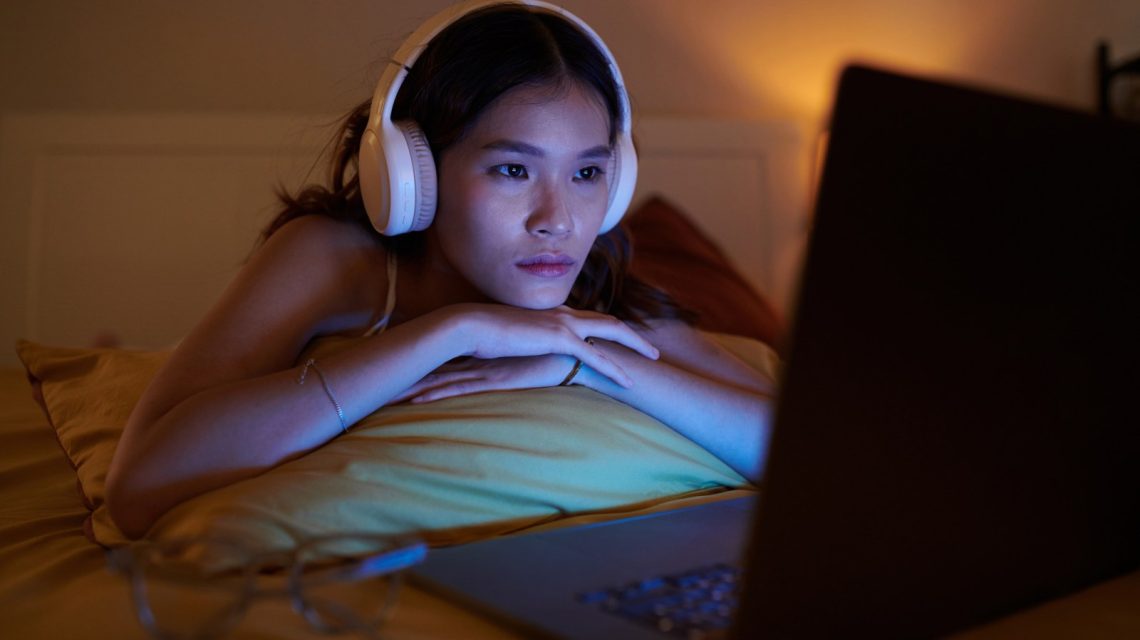
Generation Z, those born between 1997 and 2012, frequently interacts with distressing online content. They’re subjected to visuals of global conflicts, injustices, and suffering through their smartphones each morning. However, experts now highlight the effects of sharing people’s achievements and successes online. This phenomenon contributes to the mix of extreme highs and lows in curated social media content.
Recent studies link increased social comparison to mental health challenges within Gen Z. This is largely tied to relentless social media connectivity. Platforms like TikTok, LinkedIn, YouTube, and Instagram offer the chance to track not only acquaintances’ accomplishments but also be near celebrities, athletes, influencers, and wealthy individuals.
The Success Olympics and Gen Z
Data shows that 60% of Gen Zers surveyed in 2024 spend over four hours daily on social media, with 22% spending more than seven. Such exposure amplifies social comparison from online content and real-world changes, making many in this age group feel inadequate.
Luxury brands, exemplified by Chanel and Dior, are targeting middle-class markets. Ordinary individuals now flaunt these brands online, once limited to elite circles. Additionally, everyday leisure activities are now deemed “status symbols,” while Gen Z struggles with increased work pressures and constant smartphone connectivity.
This situation breeds perceptions that everyone else is living luxuriously, which troubles experts concerned about mental health. Dr. Ashwini Nadkarni from Harvard Medical School states, “Gen Z’s exposure to success reinforces the impact of social comparison, affecting self-appraisal.” Psychotherapist Prudence Leung echoes these sentiments, noting the blurred lines between peers and celebrities on social feeds.
An EduBirdie survey indicates 38% of Gen Z want substantial earnings by age 30, driven by seeing swift success stories online. Social media rarely shows average lives. Trends promoting rapid self-improvement add pressure to optimize life constantly, leading to self-doubt.
Mental Health Studies Reveal Concerns
Research supports growing concerns. A 2025 poll by BlueSky and Children Now reveals 94% of Gen Zers face monthly mental health issues. The Deloitte survey from the same year reports 40% frequently experience stress or anxiety. Gallup data indicates “excellent” mental health among Gen Z fell significantly since 2019.
Harvard’s Global Flourishing Study identifies the lowest well-being scores among Gen Z compared to other generations. A 2020 study linked social media use to distress, depression, and anxiety. Cybersmile Foundation’s 2023 study found 89% of Gen Zers engage in online comparisons, with daily percentages at 59%; 96% report feeling emotionally affected.
Therapist Jennifer Lancaster observes clients comparing their reality to peers’ highlights. She states, “Most don’t share failures, skewing perceptions as if everyone else is succeeding.” This induces constant stress in the nervous system, perpetually comparing and never present.
Lancaster advocates for somatic and EMDR practices to address underlying comparison issues that precede social media. These approaches help shift perspective, reducing the urgency of social metrics.
Newsweek editors Marc Vargas and Emma Lee-Sang contributed to this story.
 Review: Stokke Nighti 3-in-1 Convertible Cot Bed
  Embrace Failure: Turning Setbacks into Success
 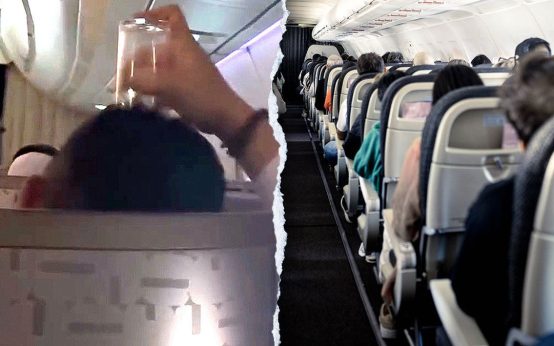 Unusual In-Flight Behavior Leaves Passengers Stunned
 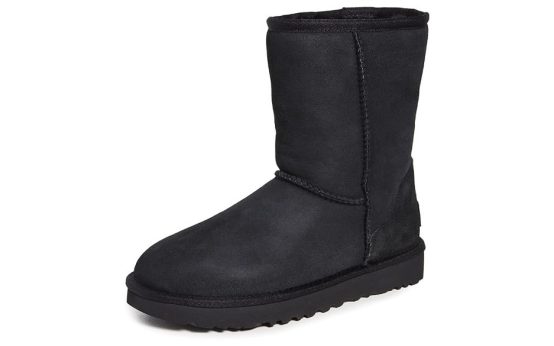 Choosing the Perfect Ugg Boots for Comfort and Style
  Understanding Food Safety: Tips for Preserving Groceries
  Royal Caribbean Cancels Costa Maya Stop, Divides Passenger Opinions