
The long-term U.S. mortgage rate has increased for the fourth week in a row, reaching its highest level in a year. This change presents a challenge for those looking to buy homes, as borrowing costs have risen significantly. The benchmark 30-year fixed mortgage rate is now 6.66%, up from 6.58% last week, according to Freddie Mac. A year ago, this rate was slightly higher at 6.72%.
Higher mortgage rates can significantly impact monthly payments for borrowers, reducing what they can afford to spend on a home. As rates rise, many potential buyers might be discouraged from entering the market. This hesitation contributes to the slow pace of U.S. home sales observed this year.
The 15-year fixed-rate mortgage has also seen an increase, climbing to 6.04% from 5.96% the previous week. Last year, this rate stood at 5.85%. These rates are driven by various factors, including decisions by the Federal Reserve on interest rates and expectations in the bond market about economic conditions and inflation.
Typically, mortgage rates move in line with the 10-year Treasury yield, a benchmark for lenders when pricing home loans. Currently, economic tensions, like the conflict in Iran, have influenced crude oil prices and elevated inflation expectations. As a result, long-term bond yields have risen, pushing mortgage rates higher.
On Thursday, the 10-year Treasury yield reached 4.66%, up from 3.97% before the conflict began in February. Recently, the 30-year mortgage rate briefly dropped below 6% for the first time since late 2022. However, it has since risen again, reaching its highest since July 31, 2025, at 6.72%.
Even though the Federal Reserve left its key interest rate unchanged recently, mortgage rates are not directly set by the central bank. Instead, Fed decisions can influence bond yields, impacting mortgage rates indirectly. Despite the current rates being lower than last year’s, their rise has stalled home sales in 2023.
The market for previously occupied U.S. homes showed a small 0.7% increase in sales from January to June when compared with the previous year. But sales remain near a 4-million annual pace, much lower than the long-term average of about 5.2 million homes sold yearly.
This ongoing trend marks a continuation of the housing market slump that began in 2022. As mortgage rates climbed from pandemic lows, the number of home sales reached a 30-year low, showing significant market inertia.
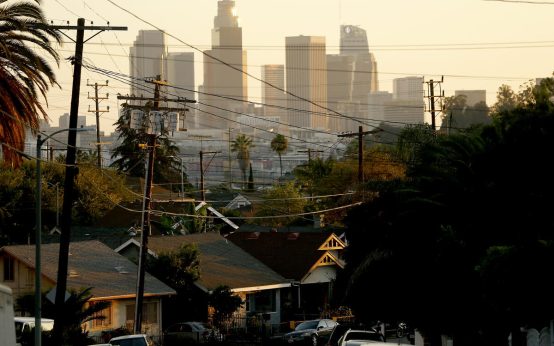 Navigating Los Angeles Real Estate on a Budget
  Mortgage Rates Return Above 7% After Twenty Months
  Inland Empire Grapples with Growing Housing Affordability Concerns
 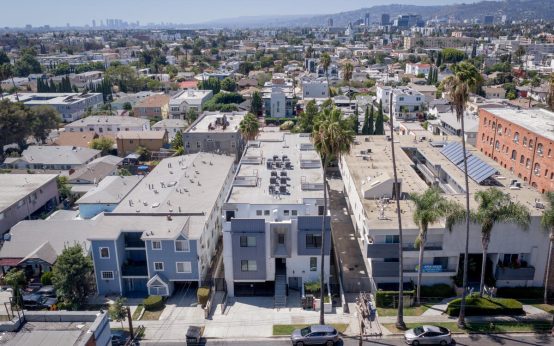 Challenges in Los Angeles’ Multifamily Housing Market
 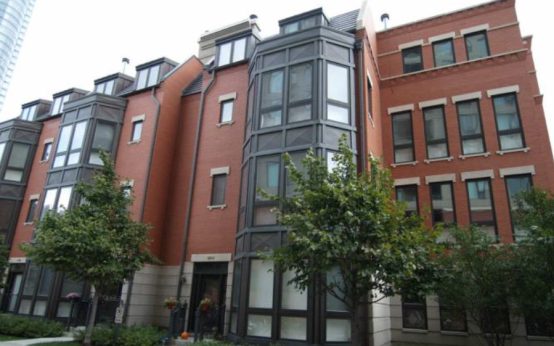 Jevon Carter Sells Chicago Town Home
 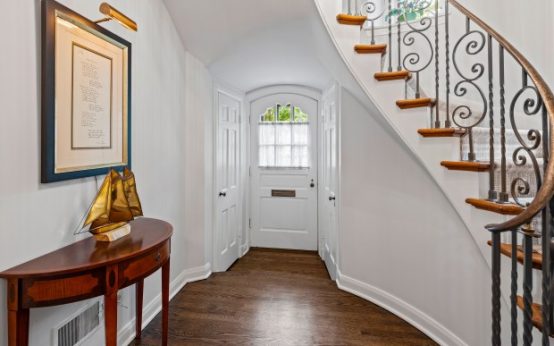 Charming River Forest Home With Custom Features