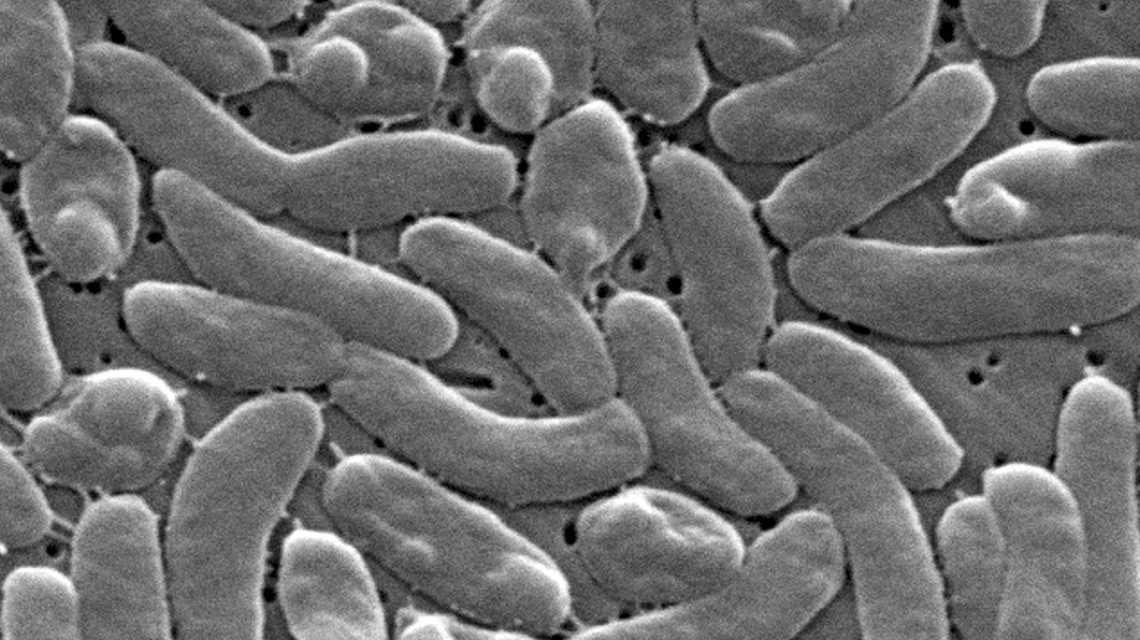
Surge in Vibrio Vulnificus Cases in Louisiana and Florida
Louisiana and Florida have reported a significant increase in infections and deaths due to the bacterium Vibrio vulnificus in 2026. Louisiana has noted nine cases resulting in five deaths, while Florida has reported 12 cases and one death, according to Fox 13 Tampa Bay. These statistics illustrate a marked rise from previous years, emphasizing the growing health threat.
In Louisiana, all infections related to Vibrio vulnificus involved wounds exposed to seawater. Patients also had underlying health conditions, underscoring the importance of avoiding saltwater exposure for those with open wounds, particularly during warmer months.
Natural Presence and Infection Routes
Vibrio vulnificus naturally inhabits coastal waters, with levels peaking from May to October. Infection primarily occurs through exposure of open wounds to contaminated water or consumption of raw or undercooked seafood, especially oysters.
Described as “flesh-eating,” certain infections can lead to necrotizing fasciitis, where tissue surrounding wounds deteriorates. The Centers for Disease Control and Prevention (CDC) highlights that about 20% of cases result in death within a day or two of infection.
Extended Warnings and Reports
Cases have also surfaced in Alabama and Connecticut. Alabama’s Mobile County Health Department reported a vibriosis case in April, although details on the species and patient information remain limited. Previous county warnings were issued due to contamination linked to undercooked food and water exposure.
In Connecticut, a Vibrio vulnificus case linked to contaminated oysters consumed by a resident was documented in February. The infections across these states do not appear to be connected.
Understanding Vibrio Vulnificus Risks
Vibrio vulnificus is among several Vibrio species causing illness. Unlike Vibrio cholerae responsible for cholera, it does not spread between people. Annually, approximately 150 to 200 cases are recorded in the U.S., with rapid progression leading to severe wound or bloodstream infections.
While anyone can contract Vibrio vulnificus, those with liver disease, cancer, diabetes, HIV, or weakened immune systems face heightened risks. Medications reducing stomach acid or recent stomach surgery may also increase susceptibility.
Symptoms vary by infection type. Intestinal cases may present diarrhea, stomach issues, fever, and chills. Wound infections can show redness, swelling, and fluid discharge. Bloodstream infections are marked by fever, chills, low blood pressure, and blistering.
The CDC advises immediate medical attention for suspected Vibrio infections, especially after coastal water exposure or seafood consumption. Mild intestinal cases may resolve without drugs, but severe infections often require antibiotics and sometimes surgery to remove dead tissue. Early treatment is crucial for survival.
 Increased Funding Needed for Psychiatric Hospitals
  Trump Administration Distributes ACA Refund Checks
  Higher Consumption of Ultra-Processed Foods Linked to Increased Health Risks
  Understanding Inflammation: Myths and Facts
  Calm Parenting: Strategies to Manage Stress
  Trump’s Executive Order to Combat Mosquitoes and Ticks in D.C.