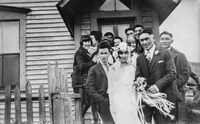
American culture often holds onto a specific set of images depicting Indigenous life. These pictures are frequently romanticized, posed, and feel disconnected from present realities. Typically, they were not produced by Indigenous people.
What occurs when Indigenous individuals take control of how they are portrayed in photographs? This shift in perspective challenges the longstanding narratives shaped by outsiders.
Images crafted by the Indigenous community offer a more authentic and dynamic portrayal of their lives. They present a view grounded in actual experiences and contemporary life. Such photos provide insight into the diverse and evolving nature of Indigenous cultures.
When Indigenous photographers capture their own stories, they reclaim their cultural representation. This act reshapes the narrative and creates a more inclusive understanding.
“Imagery can either imprison people in the past or connect them to the present and future,” notes scholar and photographer Brian Adams.
The diversity and richness of Indigenous cultures become evident when they narrate their own stories through photography. Such work not only provides representation but also reshapes perceptions already fixed in the public mind.
 Midwest Underground Railroad Network Gains National Recognition
  Art Collective Critiques Administration with Mall Installation
  American Hagwon: A Tale of Family and the Korean Diaspora
  Volunteer Enthusiasm Shines at Frank Lloyd Wright Home and Studio
 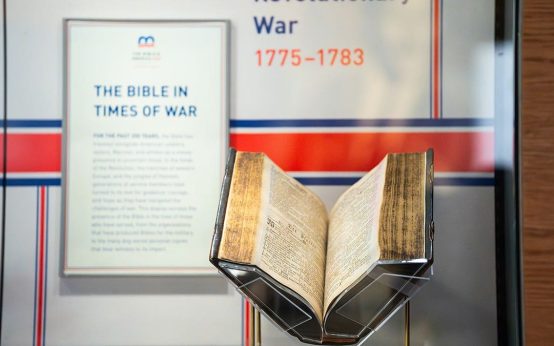 Bible’s Role in Times of War
 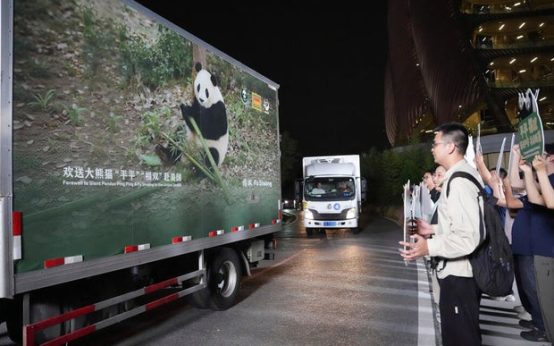 Arrival of Giant Pandas in Atlanta Marks Historic Agreement