Exploring the Michigan Senate Race
The race for Michigan’s U.S. Senate seat in the Democratic primary gained significant attention recently. It featured a contest between centrist congresswoman Haley Stevens and former public health director Abdul El-Sayed. The insights from our two-day visit to Michigan provided clarity on candidate dynamics and voter concerns.
Candidates on the Ground
Both Stevens and El-Sayed showcased their strengths in person. Stevens demonstrated her commitment and work ethic. Her message of dedication resonated with vigor. El-Sayed captivated younger, progressive voters with his dynamic presence and keen intellect. Their appearances made them appear much more compelling than their media portrayals suggested.
Observations from Events
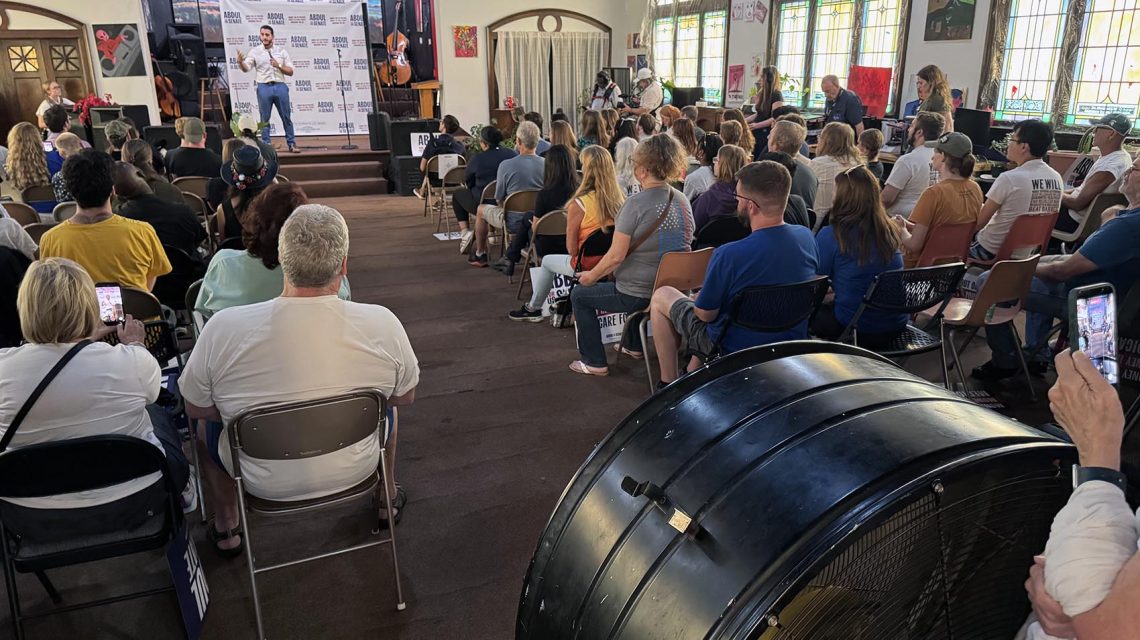
Venues and crowds varied greatly. El-Sayed addressed approximately 100 people at The Fledge, a converted arts and community venue. The setting was vibrant, despite the absence of air conditioning. Stevens met with smaller groups, including 23 attendees in a Chamber of Commerce setting and 16 members of the “Blue Brigade.” Though more modest, the latter featured homemade star-shaped cookies, adding a personal touch.
Main Concerns of Michigan Voters
Three key issues emerged from our discussions with voters: the influence of money in politics, economic challenges, and opinions on Israel. El-Sayed supporters highlighted economic difficulties. Jason Peck, an auto worker, emphasized financial strains. Dorice Steiner, connected to the University of Michigan, expressed frustration with political parties and the role of big money in politics. First-time canvasser Andy Rogers decried the control of power by moneyed interests.
Stevens’ supporters echoed concerns about money in politics. Tyler McCastle, a seasoned carpenter, noted healthcare as a formidable challenge. Cindy Groene, a homeowners’ association leader, reluctantly acknowledged the necessity of campaign contributions for election victories. Zach Nessel, attorney general’s son, observed increased antisemitism within political discourse. This concern heightened post the Hamas attacks on Israel.
Local Perspectives and Broader Issues
In Lansing, Doug Mulkey of The People’s Kitchen shared his focus on worker wages amid inflation, reflecting the economic anxieties we encountered. Another issue making waves was the debate over data centers. This topic transcended party lines and influenced races like the 7th Congressional District primary.
Potential Democratic Divides
While a centrist-progressive divide persists, most Democrats seemed willing to support either candidate in the general election. This split did not match the bitterness seen in the Clinton/Sanders 2016 divide. The presence of Republican candidate Mike Rogers, endorsed by Trump yet not a staunch MAGA supporter, posed a unified challenge.
The Future Beyond the Primary
The Michigan race offered insights into broader trends within the Democratic Party. Progressives continue to grow in influence, yet this race alone will not define the party’s future. Both Stevens and El-Sayed received praise for their respective ideas from some voters on the opposing side. Voters expressed a desire for new approaches and political innovations, which favors El-Sayed.
As results unfold, Democrats must focus on common ground to succeed against Republican opposition. The race underscores the need for change and collaboration within the party, essential for future victories.
A free press is a cornerstone of a healthy democracy. Support trusted journalism and civil dialogue.
 New Jersey Voter Fraud Prompts Renewed Push for SAVE Act
  Concerns Over Changes to Voter-Registration Form for Americans Abroad
  Trump’s 2024 Campaign Targets Young Men Through Cryptocurrency
  Trump’s White House Visitor Center Proposal Gains Bipartisan Support
  State Department Simplifies Passport Process with Online Applications
  Becerra and Hilton Clash in California Gubernatorial Debate