On April 2, two U.S. Air Force officers found themselves stranded in the rugged mountains of Iran after an American fighter jet was downed. This occurred during a costly conflict that began in February, resulting in 18 American fatalities. To prevent their capture, the U.S. military launched one of the largest rescue operations in its history.
Admiral Brad Cooper commanded the air-focused campaign against Iran. “Up to this point, we’d flown about 13,000 missions,” he stated. Despite air superiority, flying over the hostile terrain wasn’t like flying over familiar landscapes in America.
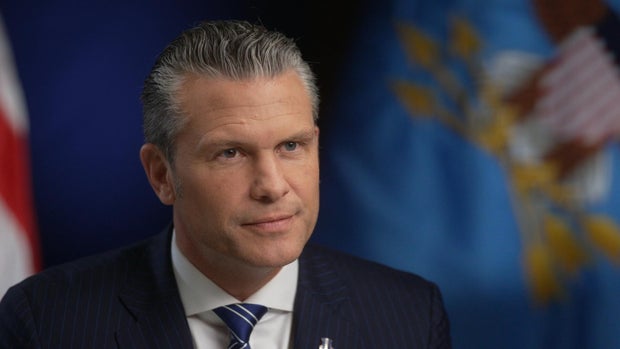
The night the jet, call sign DUDE 44, was downed, the mission was to strike industrial sites related to Iran’s drone and missile programs. The F-15E, a reliable combat workhorse valued at $30 million, fell victim to a $100,000 shoulder-fired missile. Iranian media shared wreckage evidence, awakening Defense Secretary Pete Hegseth to grim news. “We always knew this was possible,” he admitted, shifting focus to the next steps: determining the crew’s status and launching the rescue effort.
The call sign Bravo recounted the harrowing moments post-attack. Initially worried about saving the aircraft, the diminished parachute made survival uncertain. After ejection, Bravo landed 5 miles apart from Alpha, both left isolated on Iranian terrain.
Despite injuries, including a broken back and arm, Bravo adapted to his surroundings. As daylight broke, he realized the safest path was scaling a 7,000-foot ridgeline, despite the risk of capture and visible threats from Iranian hunters.
U.S. military reports confirmed Iranian forces closed in, stopping only a few hundred meters from Bravo. The Pentagon, tracking about 1,500 Iranian forces within a 10-mile radius, prioritized a rescue mission for Alpha. After Alpha’s return, attention shifted back to Bravo, who sent a message once concealed: “God is good,” acknowledging both survival and faith.
With plans unfolding, it became clear Bravo would endure another 24 hours in Iran without resources. The CIA launched a complex rescue operation using top-secret technology and strategic deception, marking U.S. military presence not seen in Iran for decades. As rescue plans escalated, U.S. forces cleared paths with precision airstrikes to make way for Bravo’s extraction.
In the closing spring night on Easter Sunday, an elite team consisting of 92 special operators reached Bravo, executing a high-stakes retrieval mission from a makeshift desert airstrip. Though nearly compromised by stuck landing gears, tactical air support and meticulous planning secured the successful return.
This mission saw America’s best at work, from elite pararescue operators to strategic air operations. As Bravo and Alpha expressed gratitude, they spotlighted a larger narrative — one of teamwork, faith, and leadership. As the rescue mission underscored America’s commitment to its service members, Bravo’s words reflected its historic significance: “This is not a story about what I went through. It’s about what America does to uphold our promise and leave no one behind.”
The successful operation, intricate in execution and monumental in scope, reaffirmed the unwavering dedication and tactical prowess of U.S. military forces.
 Cargo Plane Crash at Miami International Airport
  British Police Arrest Man Suspected of Terror Plot
  Activists Push for Nationwide Ban on Child Marriage in the U.S.
  Marine Veteran Suing Oregon School District Over Curriculum Reimbursement
  Tennessee Execution Halted as Issues Persist with Lethal Injection Protocol
  Investigation into Alleged Incident at Cornell University