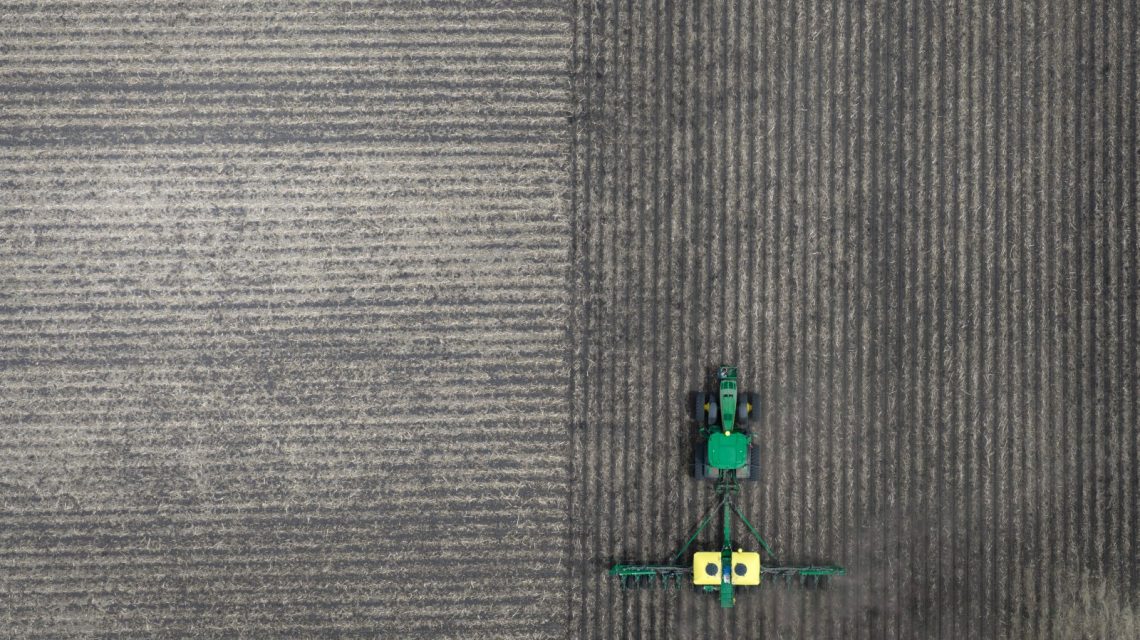
Iowa’s agricultural sector is experiencing significant pressure, with net farm income decreasing by 53% from 2022 to 2024. Row-crop producers are facing the third year in a row where production expenses outpace crop prices. This downturn emerges at a critical time politically for Iowa, one of the Republican Party’s key Midwestern bases, prompting potential opportunities for Democrats in crucial statewide elections.
A recent report from Iowa State University (ISU), the Iowa Farm Bureau Federation, and the Iowa Bankers Association highlights low commodity prices, high production costs, and ongoing uncertainty as major challenges for Iowa’s agriculture. Chad Hart, an agricultural economics professor at ISU, noted that the agricultural downturn has persisted for about three years, affecting Iowa more than other U.S. regions.
Political Ramifications of Iowa’s Farm Economy
Agriculture is integral to Iowa’s economy, contributing approximately $51.5 billion annually. This represents about 19% of the state’s gross domestic product. The report warns that ongoing challenges in farming impact not only producers but also rural communities, lenders, and other businesses linked to the agricultural sector.
Net farm income, a key measure by the U.S. Department of Agriculture, decreased by 53% from 2022 to 2024. Corn production costs have increased 37% since 2021, while soybean costs have gone up 36%. The report emphasizes trade uncertainty, including the impact of China’s tariffs on Iowa agriculture, demonstrating the importance of export markets for the state’s farm economy.
Democratic Hopes Amid Economic Struggles
In the governor’s race, Democrat Rob Sand is leading Republican Zach Lahn in various polls, despite Iowa’s Republican tendencies. Recent surveys show Sand with a slight edge over Lahn, indicating a competitive race. The Senate race between Republican Ashley Hinson and Democrat Josh Turek is also closely contested, with polls showing mixed results and no clear leader.
These competitive races indicate that Iowa may be more politically open than its recent presidential voting patterns suggest. Prediction markets show a clearer Democratic advantage in the governor’s race compared to the Senate contest. Candidates in both parties are centering their campaigns on farmers and rural voters. Hinson presents herself as a defender of Iowa producers, while Turek aims to address economic challenges faced by rural Iowans.
Democrats are not expecting a drastic shift of farmers to their side but aim to reduce Republican support slightly in rural areas while maximizing turnout in urban areas like Des Moines and Cedar Rapids. This strategy could make statewide races more competitive.
The agricultural report provides new data for Democrats to argue that farmers are financially strained. Dave Muhlbauer, Sand’s running mate, stated that Iowa farmers need leaders who understand their struggles and prioritize agricultural support.
Broader Political Landscape
Some Democrats see signs that former President Trump’s influence may not be as strong in Iowa as past results suggest. Democratic strategists consider Iowa as potentially competitive in 2026 amid farm economy concerns. Although Trump has support among Republicans, economic issues like farm profitability could influence down-ballot races.
Timothy Hagle, a professor at the University of Iowa, notes that while Trump’s influence remains, election messaging focusing on farm costs might affect races. Trump’s policies, including tariffs and immigration, have targeted American farmers, and he has promised financial aid as part of his broader political agenda.
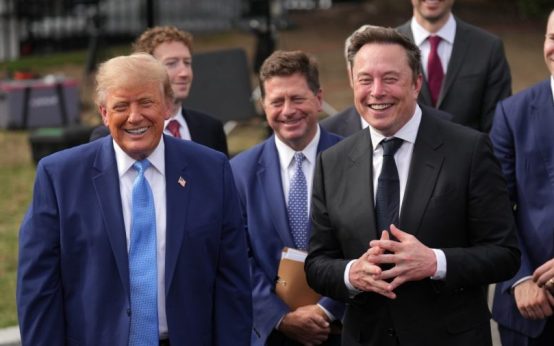 Trump’s 2024 Reelection and Evolving Voter Dynamics
  Defense Secretary Emerges as Key Player in the Trump Administration
  Hegseth’s Vision for the Military: Balancing Tradition and Innovation
 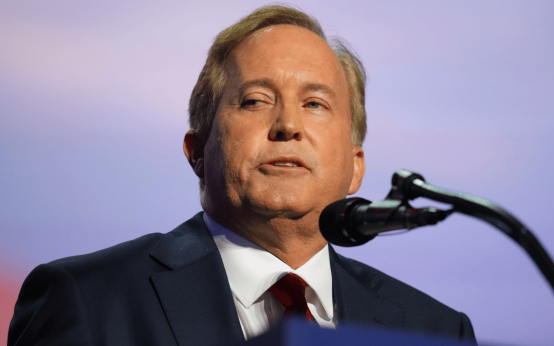 Significant Funding Boosts Ken Paxton’s Texas Senate Campaign Amid Tight Race
 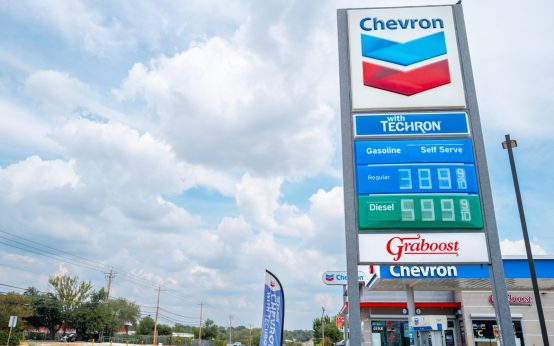 U.S. States Extend Gas Tax Waivers Amid Rising Fuel Costs Due to Iran Conflict
  USCIS Raises Immigration Fees