
The government of Kuwait reported that Iranian drones inflicted significant damage on Wednesday at the main airport terminal, resulting in one casualty and numerous injuries. The attack temporarily closed the airport facilities and highlighted the ongoing tensions between Iran and the United States, which continue to challenge a fragile ceasefire. The security of residents and travelers in Gulf countries is increasingly at risk amid the escalating conflict.
Iran denied responsibility for the attack. Negotiations have been ongoing for weeks as mediators seek to establish a more durable truce. However, talks have become tense due to Israel’s escalating conflict with Hezbollah in Lebanon. According to a regional official, Iran demands a separate ceasefire in Lebanon as a condition to resume talks.
U.S. President Donald Trump stated that negotiations to extend the truce with Iran were ongoing, despite attacks on Iranian military facilities. Trump remarked on the intensity of the conflict, suggesting the ceasefire involved more moderated combat. Meanwhile, the U.S. pressured Israel for restraint in Lebanon, illustrating a rift between the allies.
Despite these tensions, Trump claimed a strong relationship with Israeli Prime Minister Benjamin Netanyahu, who faced internal pressure to take military action against Hezbollah. Iran’s control of the Strait of Hormuz—and the resulting impact on global oil prices—remains a critical factor in the ongoing conflict.
In response to the attack, Kuwait expelled two Iranian diplomats, indicating their strong condemnation. Kuwait’s defense ministry reported that they destroyed a significant number of incoming missiles and drones from Iran, while aviation officials managed to partially reopen the airport. However, only flights from Kuwait Airways resumed from an alternative terminal.
The U.S. military claimed they intercepted multiple drones and missiles aimed at their forces in Kuwait. Additionally, U.S. and Bahraini forces thwarted missile attacks targeting the Gulf nation, home to the U.S. 5th Fleet.
The conflict has increasingly intertwined with Israel’s operations in Lebanon, where continuous rocket and drone attacks by Hezbollah challenge the existing ceasefire. Iran’s insistence on a truce tightening measures in Lebanon adds complexity to the diplomatic discourse. Netanyahu and Trump have expressed agreement on key objectives, despite occasional tactical disagreements.
Journalists from The Associated Press in various locations contributed to this report, which was translated with the assistance of AI technology.
 British Police Arrest Man Suspected of Terror Plot
  Activists Push for Nationwide Ban on Child Marriage in the U.S.
  Investigation into Alleged Incident at Cornell University
  Rising Drone Threats Highlight Vulnerabilities in Moldova’s Airspace Defense
  Bolivia Faces Security Test Amid Unrest
 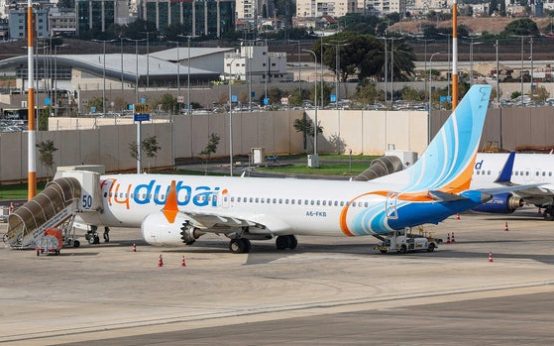 Incident on FlyDubai Flight Raises Security Concerns