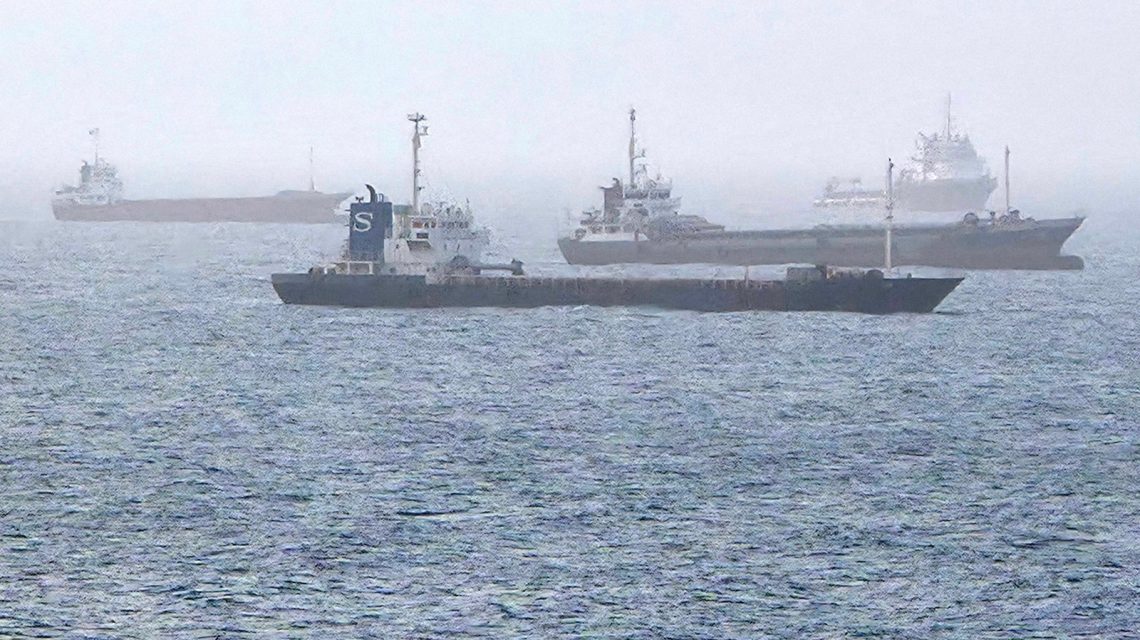
Iran’s Demands for Reopening the Strait
Iran recently outlined new conditions for reopening the Strait of Hormuz, signaling a shift in its confrontational stance with the United States. Former Defense Secretary Mark Esper commented that these demands indicate Tehran believes it has gained the upper hand in negotiations over one of the world’s key shipping routes.
Esper criticized Iran’s demands, considering them extreme and dismissive. He spoke about negotiations that have reached a crucial phase, with Iranian officials mentioning a deal with Oman on new shipping arrangements through the strait nearing completion. However, Iran insists that the waterway will not fully reopen unless Washington addresses a series of conditions, including compensation and the lifting of sanctions.
The Strategic Importance of the Strait of Hormuz
Iran’s stance on the Strait of Hormuz has significant economic and strategic implications. The waterway is vital, as it carries around 20% of global oil shipments under normal conditions. Previous conflicts between Iran and the U.S., alongside its allies, have centered around Tehran’s attempts to restrict commercial shipping.
Iranian Foreign Minister Abbas Araghchi confirmed ongoing discussions with Oman about new shipping routes, refusing to open the strait fully until the U.S. meets broader demands. These include compensation for conflict-related damages and lifting sanctions, with Iran asserting these conditions must be fulfilled before allowing unrestricted commercial traffic.
Esper’s Insight: Iran’s Confidence and Strategy
Esper attributes Iran’s demands to increased confidence rather than compromise. The demands suggest a lack of room for negotiation and a belief in their strengthened position.
According to Esper, Iran’s list includes ending U.S. military operations against Iran and regional allies, removing sanctions, ending the U.S. naval blockade, and withdrawing American forces. Iran also seeks compensation for war damages and the release of frozen assets.
Implications of Iran’s Leverage
Iran uses its control over the Strait of Hormuz to exert pressure on Washington, potentially forcing concessions. Joshua Tallis from the Center for Naval Analyses emphasized the risk of Iranian strikes on commercial shipping affecting the global trading system.
Critics warn that formalizing Iranian control over the strait could give Tehran a significant strategic advantage, challenging navigation norms through the vital waterway.
Diverging Views: Trump and Tehran’s Demands
Esper’s comments highlighted the difference between the Trump administration’s public stance and Tehran’s expansive list of demands. While Vice President JD Vance noted Iran faces economic pressures and desires an end to the conflict, Trump pointed to progress in negotiations concerning the strait.
Despite Iran’s economic challenges, Esper believes these issues haven’t weakened its negotiating stance. He suggested pursuing an economic blockade with international support to increase pressure on Iran’s military leadership.
Regional Tensions and Escalation
Esper warned that recent attacks in the region could expand the conflict. He mentioned attacks on a Saudi refinery and a UAE ship in the Strait of Hormuz, which increased concerns about potential disruptions to energy supplies and broader regional confrontation.
Future Negotiations and Outcomes
The focus now lies on finalizing the shipping agreement between Iran and Oman and determining if Iran’s demands allow for broader U.S. negotiations. The outcome will affect when shipping through the strait returns to normal, potentially influencing Iran’s regional power.
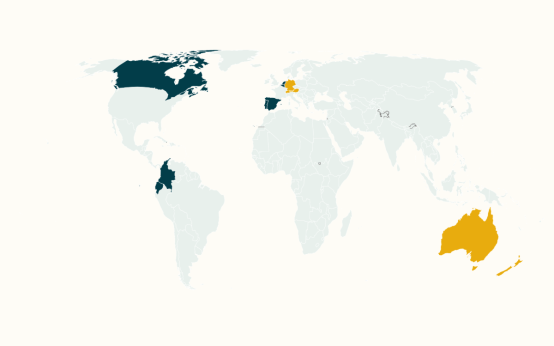 Dutch Review Board’s Euthanasia Ruling and International Debate
 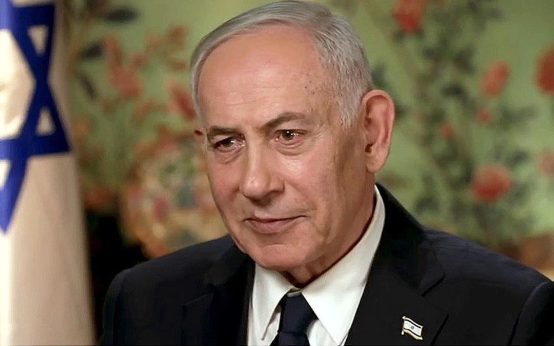 Israeli PM Commends Heroic Actions in Flight Emergency
  Rabbi and Jewish Leaders Criticize Adam Brody for ‘Genocide’ Comment
  Flydubai’s Emergency Landing Highlights Cockpit Security
 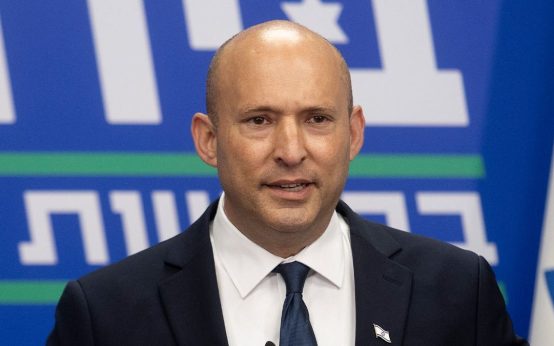 Former Israeli PM Naftali Bennett Commends Passengers and Crew for In-Flight Heroism
  Diplomatic Complexities Unfold at U.S. National Archives Visit