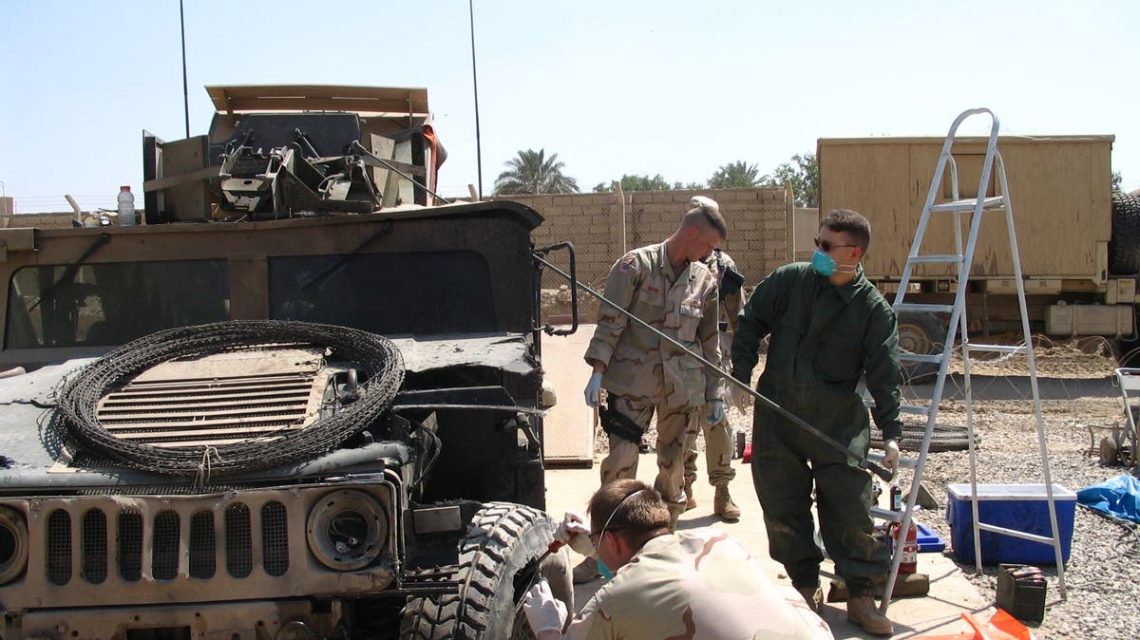
Nearly two decades ago, an explosively formed penetrator (EFP) hit a U.S. Army vehicle on a Baghdad road. It killed Staff Sgt. William Brooks and severely injured Sgt. (Ret.) Robert Bartlett. Bartlett suffered injuries so extreme that he said they resulted in him ‘dying three times.’ These devices were part of a wider effort by Iran to arm and train proxy forces targeting American troops in Iraq, as federal courts have found.
Judges determined that Iran either manufactured or supplied the weapons used in these attacks, and the assailants were trained or directed by the Islamic Revolutionary Guard Corps (IRGC). Bartlett, who was driving an armored Humvee during a route-security mission on May 3, 2005, suffered massive facial trauma when an EFP tore through his vehicle. This incident was consistent with a larger campaign by Iran to target U.S. forces.
The weapon ‘cut me in half from my temple down through my jaw,’ Bartlett recounted. Such EFP attacks required Iranian expertise, funds, intelligence, manufacturing, and the organized networks to deploy them.
Consequences of the Iranian Campaign
The deaths of Capt. Shawn English and Maj. Stuart Wolfer are other stark examples of how Iran’s campaign caused significant loss. Both were killed in Baghdad by explosive devices linked to Iranian forces. In legal cases concerning these incidents, federal courts concluded that Iran was responsible for providing material support to the proxy forces behind these attacks.
For families of the victims, the courts’ decisions acknowledged Iran’s role. However, they did not mitigate the grief. Maj. Wolfer, killed when a rocket struck a U.S. base gym in Baghdad, left behind three young daughters.
‘He really was my best friend,’ said Wolfer’s sister, 18 years later, still moved to tears.
Long-Standing Conflict
This conflict with Iran is not new. For numerous families, it represents nearly two decades of warfare. Tricia English, Capt. English’s widow, recalled her husband’s concerns over EFPs. He had become aware that these sophisticated weapons were sourced from Iran.
English’s legal case later exposed the extent of Iran’s involvement. This realization was traumatizing but necessary for honoring his memory.
Seeking Justice
Bartlett and others joined litigation to seek justice. These cases were brought under the terrorism exception to the Foreign Sovereign Immunities Act. The courts held Iran accountable for materially supporting attacks that targeted Americans. However, Iran has not paid the judgments, and obstacles in collecting these awards persist.
The strategic actions by Iran, working through the IRGC and Quds Force, equipped Shiite militias with the means to target Americans. This resulted in a complicated conflict that persists even today. Families and victims seek accountability for the actions taken by a nation they weren’t officially at war with.
For these families, the ongoing conflict reinforces a painful truth: justice remains elusive and the scars of war endure.
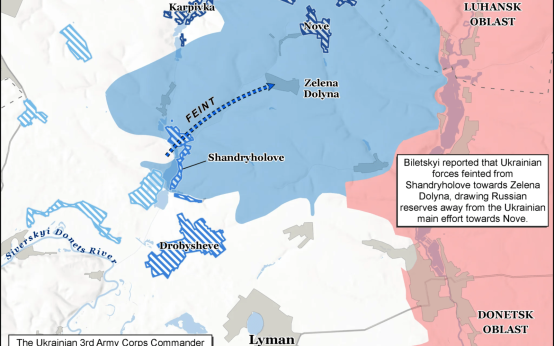 Ukraine Converts APCs to Explosive Devices in Donetsk Offensive
  Dutch Review Board’s Euthanasia Ruling and International Debate
  Israeli PM Commends Heroic Actions in Flight Emergency
 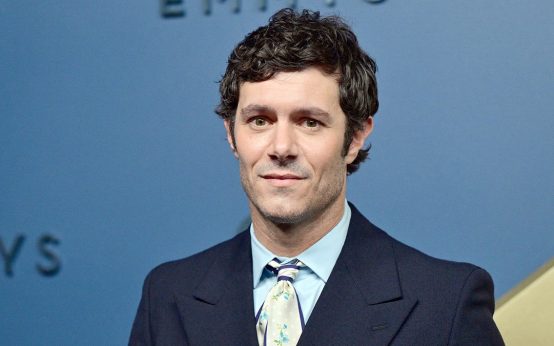 Rabbi and Jewish Leaders Criticize Adam Brody for ‘Genocide’ Comment
  Flydubai’s Emergency Landing Highlights Cockpit Security
 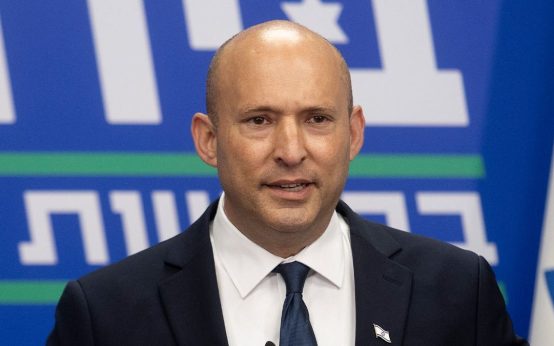 Former Israeli PM Naftali Bennett Commends Passengers and Crew for In-Flight Heroism