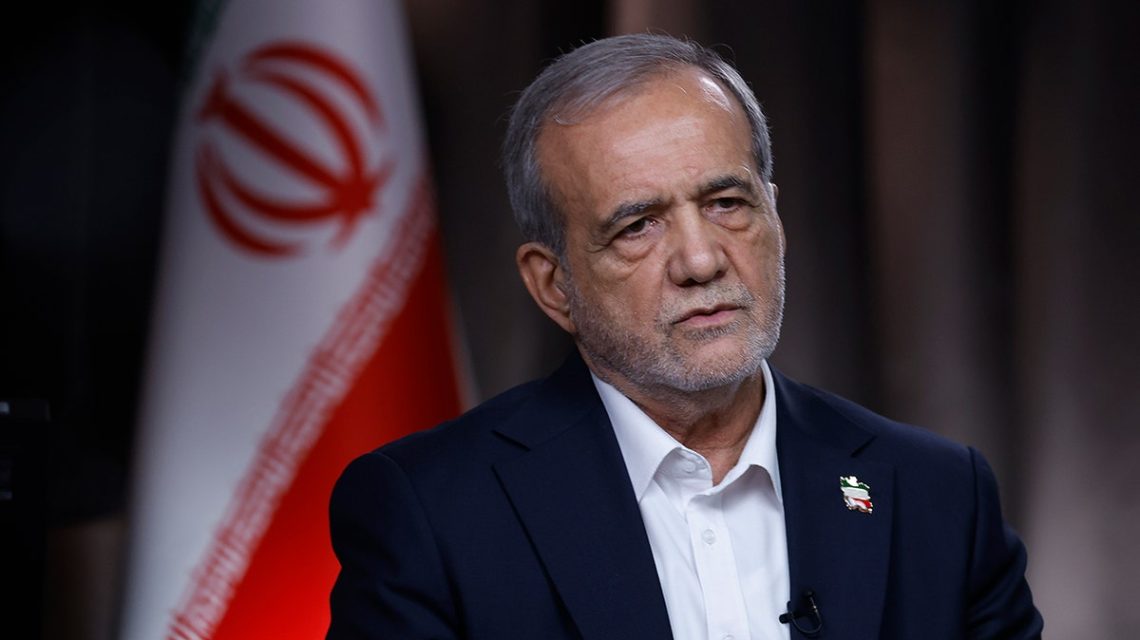
Factions Invoking the Supreme Leader’s Authority
Iran’s political landscape is increasingly turbulent as opposing factions invoke the authority of Supreme Leader Mojtaba Khamenei. Experts raise questions about whether he is actively governing the country. Recent reports highlight internal conflicts concerning Iranian President Masoud Pezeshkian’s interactions with the new supreme leader.
Conflicting Reports on Presidential Resignation
A senior cleric, Mohammad-Bagher Kharrazi, claimed that President Pezeshkian threatened to resign and received a warning that his next resignation would be accepted. Pezeshkian’s office refuted this, asserting the claim was baseless. The situation exemplifies the internal struggle within Iran’s political framework.
Alleged Meeting with Mojtaba Khamenei
Reports claimed a brief meeting between Pezeshkian and Mojtaba Khamenei occurred in a vehicle in Tehran. Pezeshkian later questioned whether the voice he heard belonged to the supreme leader, contrasting with his earlier public statement of a long, cordial interaction.
Expert Perspectives on the Power Struggle
Kasra Aarabi, director of IRGC research, describes the struggle as part of an “Islamist oligarchic mafia system.” With Ali Khamenei as the former “godfather” of this system, his void led to Mojtaba’s appointment. However, Mojtaba’s public absence causes uncertainty about control, with factions competing for power and economic interests.
Resignation Rumors as a Political Strategy
Exiled journalist Mehdi Ghadimi views the resignation claims as recurring strategies by reformist administrations. Such rumors aimed to generate public sympathy and enhance the image of presidents as they approach political transition.
Growing doubts on Mojtaba Khamenei’s Status
Conflicts arise amid doubts over whether Mojtaba Khamenei is capable of leading or even alive. Lack of public appearances or recordings fuels speculation. Aarabi warns that reliance on Khamenei’s name as a political tool will diminish if his absence persists.
Conclusion
The political turmoil in Iran remains complex, with factions leveraging the supreme leader’s authority in uncertain circumstances. Observers continue to monitor developments in this unstable political environment.
Efrat (Effie) Lachter, an experienced conflict and global affairs reporter, presents insights into these intricate systems.
 British Police Arrest Man Suspected of Terror Plot
 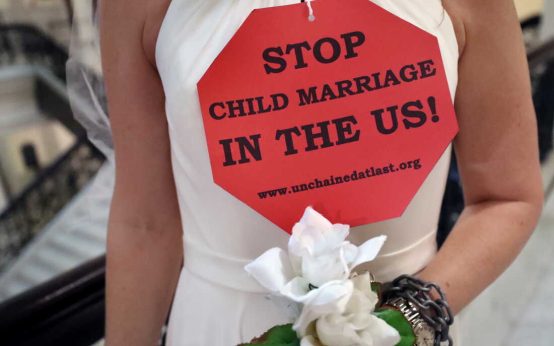 Activists Push for Nationwide Ban on Child Marriage in the U.S.
  Investigation into Alleged Incident at Cornell University
  Rising Drone Threats Highlight Vulnerabilities in Moldova’s Airspace Defense
  Bolivia Faces Security Test Amid Unrest
  Incident on FlyDubai Flight Raises Security Concerns