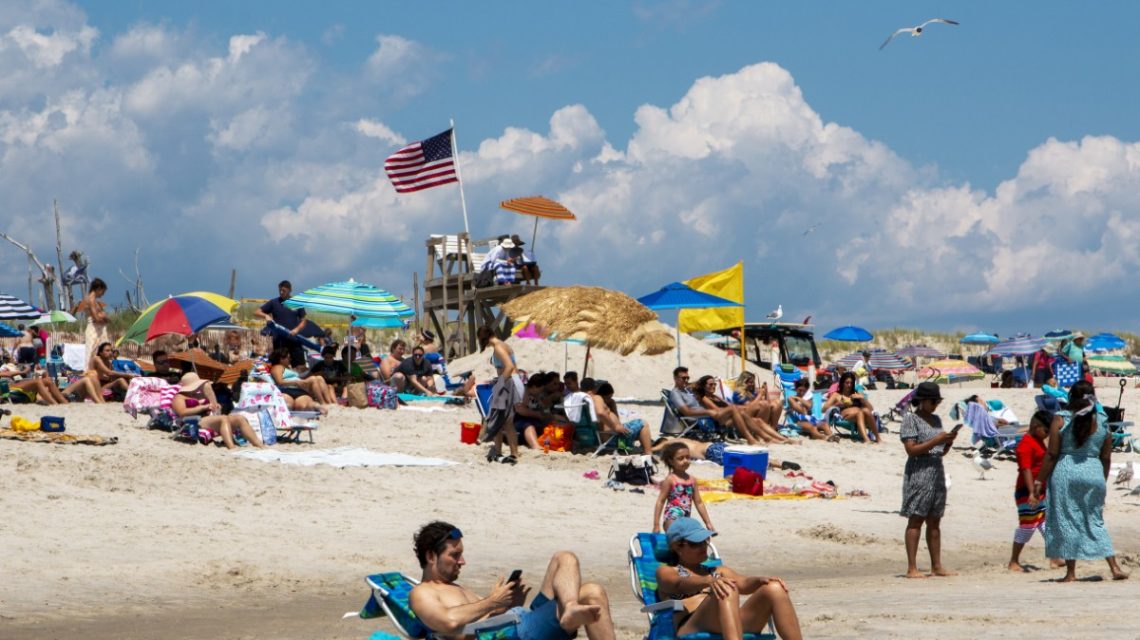
As July 4 nears, Americans planning beach trips must heed warnings about Vibrio vulnificus, a bacterium known for severe infections, now present in coastal waters near New York.
Southampton Town Trustees alerted residents and visitors that Vibrio vulnificus thrives in warm saltwater and brackish environments during summer. Though infection is rare, it can rapidly become serious, particularly for vulnerable individuals.
The CDC highlights the risks, stating roughly 20% of infected individuals face life-threatening complications, sometimes proving fatal within days. Annually, millions celebrate Independence Day by visiting beaches, including those in New York.
Traditionally found along the southeast coast, Vibrio vulnificus cases have recently emerged further north, attributed to rising coastal temperatures. New York reports detections now considered unusual.
Trustees clarified the presence of the bacteria doesn’t imply pollution or a public health crisis. Most infections occur when open wounds contact contaminated water. Those with health issues or weakened immune systems are most at risk and should take extra precautions.
The advisory doesn’t indicate beach closures or unsafe swimming conditions. No Long Island or New York ocean beaches have closed due to Vibrio vulnificus as of publication.
Where is Affected?
Popular beaches such as Jones Beach, Robert Moses State Park, Fire Island National Seashore, Coopers Beach, Main Beach (East Hampton), Long Beach, and Orchard Beach undergo regular water quality monitoring. April’s detections from Stony Brook’s study occurred in brackish regions like Mecox Bay, Sagaponack Pond, and Georgica Pond.
For current conditions, check:
- New York State Department of Health beach water quality reports
- Suffolk County Department of Health Services
- Nassau County Department of Health
- Local town or county beach websites for daily updates
What is Vibrio Vulnificus?
Vibrio vulnificus is a marine bacterium flourishing in warm, estuarine waters where saltwater and freshwater mix. Infection occurs through wounds exposed to contaminated water or consuming raw or undercooked shellfish.
Wound infections manifest through redness, swelling, pain, and skin discoloration, while bloodstream infections lead to fever, chills, and low blood pressure. Immediate medical care is crucial for symptoms.
Those with compromised immunity, including liver disease, cancer, HIV, or treatment-induced suppression, face higher risks. Severe cases require antibiotics or surgical intervention to remove infected tissues.
Research links Vibrio infections in Northeastern states to warming coastal waters. Elizabeth Archer from the University of East Anglia notes the rise in cases due to climate change.
The CDC reports 100-200 Vibrio vulnificus cases annually, with data extending to 2024; upcoming changes remain unrecorded.
Other States Issue Warnings
Besides New York, Florida health officials report nine confirmed cases this year, surpassing last year’s figures for the same period. Mississippi health authorities alerted the public after a man suffered a severe infection post-fishing trip.
Mississippi State Department of Health suggested avoiding brackish water or ensuring wounds are adequately sealed. Prompt medical attention is advised if symptoms develop after exposure.
 San Jose’s Traffic: A Hidden Public Health Concern
  Childhood Trauma Linked to Apathy Due to Brain Changes, Study Finds
  Dr. Heidi Overton’s Nomination for FDA Commissioner
  Predicting Dementia Risk with Brain Age Assessment
  COVID-19 Infections on the Rise Across U.S., CDC Reports
  SNAP Recipients in Five States to Face New Food Restrictions