The Strait of Hormuz, a crucial waterway for global energy, is named after a Zoroastrian deity. Iran’s leaders believe they are nearing a victory that will not require prolonged patience. They are applying military pressure, anticipating that the United States will eventually concede control over the strait. This tactic is grounded on a few strategic realities.
Firstly, Iran recognizes the shortage of U.S. advanced missile interceptors. The American public’s dissatisfaction with the ongoing war is evident. Iran also understands that if the strait remains blocked, economic repercussions will affect U.S. politics, such as increasing gas prices impacting the November congressional elections. Attempts to forcibly reopen the strait would be costly and might require U.S. ground forces. Additionally, Iranian-aligned Houthi forces in Yemen could extend the conflict, affecting another major trade route. Based on this logic, U.S. President Donald Trump is constrained in his actions.
“More than revenue from the strait, Iran wants to confirm its management and sovereignty,”
Despite these calculations, Iran’s strategy involves significant risks. Trump has highlighted strikes that have disabled Iran’s military capabilities. He swings between threatening further action and suggesting productive negotiations. Iran’s economy faces severe strain from a U.S. blockade. Recent mass protests underscore domestic discontent.
An evolving deal between Iran and Oman may turn the situation in Iran’s favor. This agreement would depend on the U.S. lifting its blockade, implying Trump’s approval. Formal control over the waterway, which once facilitated a fifth of the world’s traded oil and gas, would be a significant victory for Iran.
Abdolreza Davari, once an advisor to former President Mahmoud Ahmadinejad, emphasized Iran’s strategic leverage provided by this control. It challenges global norms of free navigation, creating precedence of trade route domination.
China, a major buyer of Iranian oil, has called for unimpeded passage through the strait. Iran’s leaders argue time benefits them. Mahdi Mohammadi, adviser to Iran’s chief negotiator, declared their focus on defeating enemies rather than securing agreements. There are claims of thwarting Jordanian opponents as part of their broader strategy.
The strait remains a deterrent. Mostafa Najafi, a security analyst, described it as critical for ensuring regional power balance and reshaping security in the Persian Gulf.
Yet, there are broader implications. The unresolved conflict around Iran’s nuclear program continues, which Rahman Ghahremanpour acknowledged. Control of the strait adds leverage in potential renewed nuclear discussions.
The global economic fallout, particularly severe in Iran, reveals further risks. U.S. and Israeli strikes have weakened Iran’s industry. Severe inflation and sanctions have strained the population. In December, a currency crisis spurred substantial protests, intensifying domestic challenges.
“It’s unlikely, despite the difficulties of the economic situation, that Iran will retreat from its positions,”
While Mohammad Javad Zarif, former foreign minister, hailed war-time successes as an opportunity for diplomacy, he warned of consequent risks without a timely deal. Iran’s stance not only emboldens its leaders but also rallies domestic support. However, prolonged strategies in the strait have limits. Economic distress could incite instability, compelling eventual negotiation with the U.S.
Davari remains confident in Iran’s endurance, emphasizing current resilience under economic pressure.
 British Police Arrest Man Suspected of Terror Plot
  Activists Push for Nationwide Ban on Child Marriage in the U.S.
  Investigation into Alleged Incident at Cornell University
  Rising Drone Threats Highlight Vulnerabilities in Moldova’s Airspace Defense
 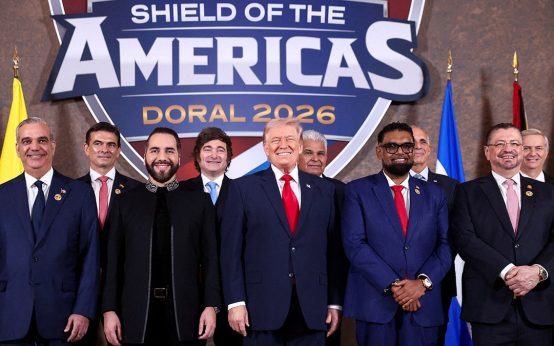 Bolivia Faces Security Test Amid Unrest
 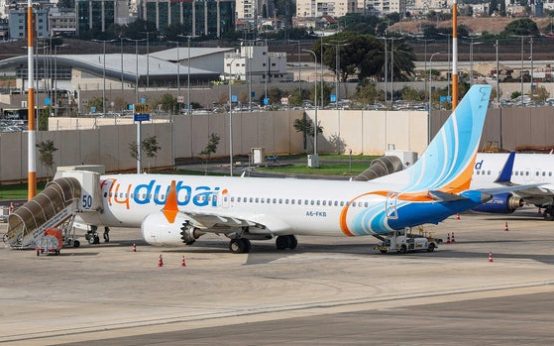 Incident on FlyDubai Flight Raises Security Concerns