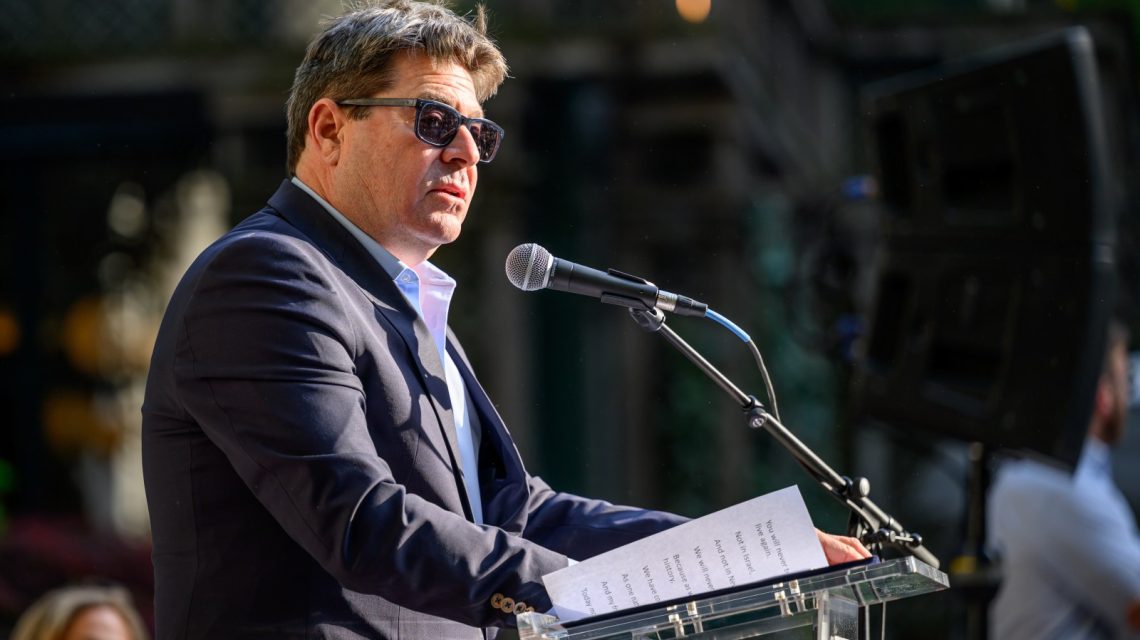
Israeli Consul General in New York, Ofir Akunis, expressed concern not about the wars in the Middle East, but about changes unfolding in American politics. He warned that these changes might jeopardize the longstanding alliance between the United States and Israel.
Akunis pointed to some electoral victories by progressive Democratic candidates critical of Israel and U.S. intervention abroad. He highlighted remarks from those who seem to prefer rival nations over political opponents. He urged caution over preferring adversaries to political rivals.
While still hopeful about the U.S.-Israel relationship, Akunis emphasized that Israel may need to increase its independence. Israel’s own defense capabilities, like the Iron Dome, show resilience against threats, especially after the recent conflict initiated by Hamas.
Though Israel values its partnership with the United States, it continues to strengthen ties with other nations. Relationships with India, Greece, and Cyprus are part of a broader strategy. The Abraham Accords with the United Arab Emirates and Bahrain have also normalized ties. Other regions, such as South America, have shown positive shifts in attitude towards Israel according to Akunis.
Akunis remarked that forming alliances is beneficial for Israel, citing interest from countries willing to cooperate. However, he acknowledged existing threats, not just from Iran or its allies but also from a coalition of Sunni Muslim states like Saudi Arabia, Turkey, Egypt, and Pakistan.
Turkey’s inclusion in recent defense pacts raises concerns due to its hostile rhetoric. Akunis described Turkish President Recep Tayyip Erdogan’s stance as extreme.
Akunis firmly stated that Iran remains a priority. Even with geopolitical challenges, patience is essential against the long-standing regime in Tehran.
He expressed confidence in President Donald Trump, who met with Israeli Prime Minister Netanyahu frequently. Nonetheless, he advised Trump to remain firm against Iranian provocations amidst negotiations involving the Strait of Hormuz.
Akunis criticized Western voices that target Israel more than its adversaries. He suggested that investment and peace could transform regions like Gaza and Lebanon.
The consul general proposed economic plans inclusive of major Middle Eastern cities, imagining a cooperative region with flourishing trade corridors.
Akunis concluded by stressing the importance of prioritizing peace and life over conflict. He underscored the risk of Western societies falling back if changes do not occur soon in the attitudes towards terror organizations versus constructive values.
 Republicans Withdraw Financial Support from North Carolina Senate Campaign
  Defense Secretary Ensures Military Votes Are Counted
  The Trump Team’s Challenge to the Military Leadership
  Maryland First State to Restrict Electronic Pricing in Grocery Stores
  Activists Push for Nationwide Ban on Child Marriage in the U.S.
  Democratic Hopes and Historical Warnings in 2026 Senate Race