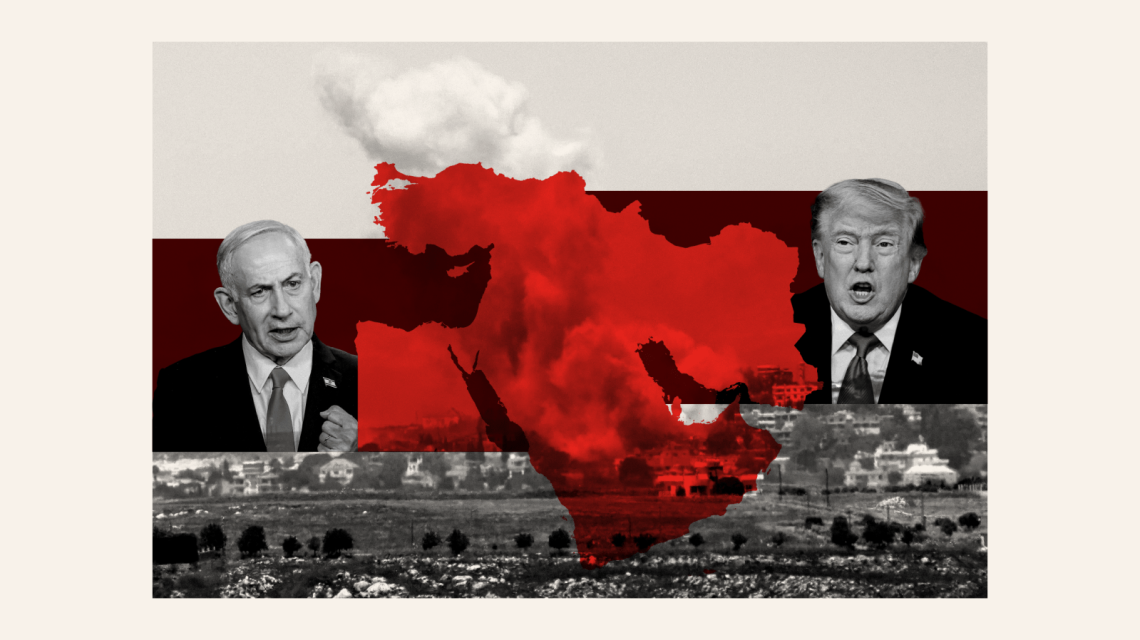
On Holocaust Remembrance Day in April, Israeli Prime Minister Benjamin Netanyahu declared, “Israel is at the peak of its power.” However, that assertion is now being tested as the nation’s power faces new challenges. The recent U.S. agreement under President Donald Trump, aimed at ending joint military actions with Iran, has left Israel feeling sidelined. This has led to tension between Netanyahu and Trump, who was once considered the most supportive U.S. president towards Israel. Israeli forces are currently stretched thin across several fronts, including Lebanon, Syria, Gaza, and the West Bank.
Shifting Alliances and Regional Pressures
Anti-Israel sentiment is on the rise, not only in Europe but also within the United States, which has traditionally been a steadfast ally. Coupled with demographic and political tensions between the Jordan River and the Mediterranean Sea, Israel’s situation seems increasingly isolated. This situation has reignited discussions on the nation’s long-term future, with Theodor Herzl’s historic skepticism of a Jewish state being noted by many.
“We are at an existential moment,” former Prime Minister Naftali Bennett said, pointing out the societal and economic exhaustion from ongoing conflicts without a clear resolution.
The agreement orchestrated by Trump has temporarily set back Iran’s nuclear ambitions. Yet, Iran did not commit to halting missile developments or its support for proxy armies aimed at Israel’s destruction. Furthermore, the deal provides a financial reprieve for Iran, enabling a potential revival of its nuclear goals. During a G7 summit in France, Trump remarked that without his intervention, Israel might not have survived, emphasizing the complexity of their alliance.
Regional Conflicts and Military Overextension
Israel launched a war with the U.S. on February 28 to hinder Iran’s nuclear progression. Israeli forces have since undertaken operations in Lebanon against Hezbollah, as well as in Syria and Gaza. Despite agreements, Hamas still holds power in Gaza, demanding ongoing military attention. The “mowing the grass” policy, previously focused on sporadic regional threats, now involves activity extending across multiple nations, which has drawn international criticism for civilian casualties.
Daniel Levy from the U.S. Middle East Project expressed that Israel’s aggressive policies make it increasingly difficult for regional integration. He suggests a more conciliatory approach could enhance Israel’s long-term stability. However, Netanyahu dismisses the possibility of a Palestinian state, citing security concerns, a sentiment largely supported by Israelis.
International Relations and Economic Dynamics
In the broader Middle Eastern context, geopolitical dynamics are not favoring Israel. Although some nations joined the Abraham Accords, others like Saudi Arabia and Qatar seek accommodation with Iran. Internationally, Israel’s reputation has suffered due to the destruction witnessed in Gaza and Lebanon, impacting public opinion, especially in the U.S., where polls show a significant drop in support.
On the positive side, India stands out as a partner eager for technological cooperation, aligning against shared Islamist threats. Economically, Israel is buoyed by a strong tech and defense industry contributing to growth projections and a high ranking in the World Happiness Report.
Internal Strains and Demographics
Tensions within Israel are also mounting, with upcoming elections adding pressure. The military’s heavy reliance on reservists is a burden amidst ongoing foreign engagements. Demographics present another challenge, particularly the rapid growth of the ultra-Orthodox Haredi community, whose exclusion from military service until a 2024 ruling remains controversial. This issue divides political coalitions, impacting Netanyahu’s government stability.
Efraim Inbar from the Jerusalem Institute for Security and Strategy noted the importance of prudent governance, emphasizing that Israel has weathered many existential threats and must continue to act judiciously.
 Rising Drone Threats Highlight Vulnerabilities in Moldova’s Airspace Defense
  Bolivia Faces Security Test Amid Unrest
 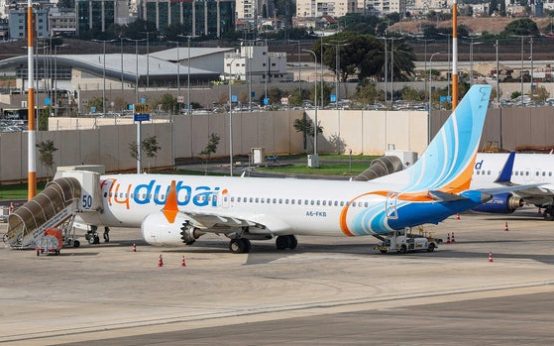 Incident on FlyDubai Flight Raises Security Concerns
 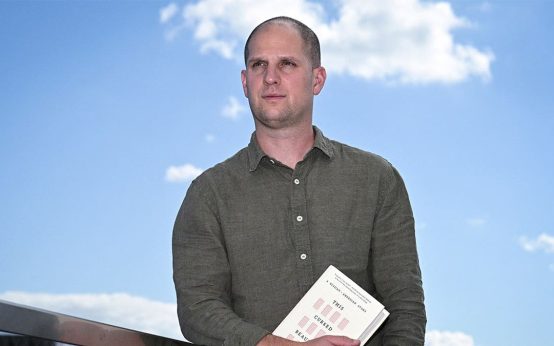 Journalist Gershkovich Discusses Wrongful Detention and Release in Russian Prisoner Swap
 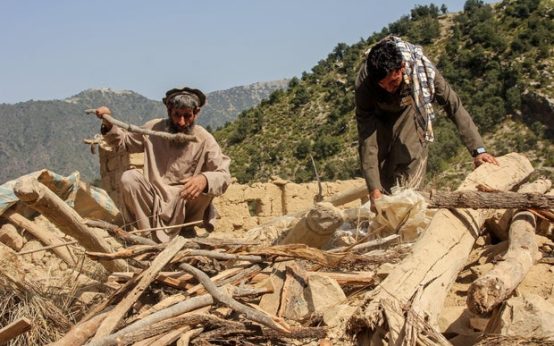 Pakistan Airstrikes in Afghanistan: Civilian Casualties Reported
 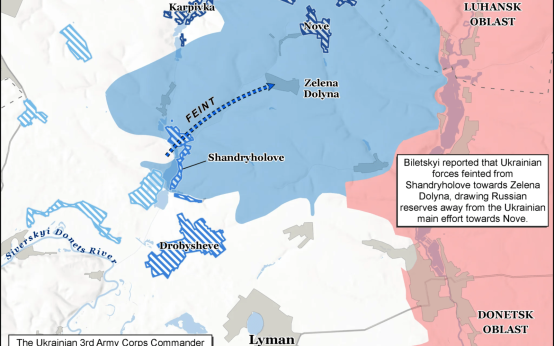 Ukraine Converts APCs to Explosive Devices in Donetsk Offensive