Jeff Bezos, widely recognized for his role in commerce and technology, underscores the power of invention on his social media profiles. By citing the invention of the plough as a catalyst for wealth, he highlights the role of innovation in driving civilization forward.
Bezos has amassed substantial wealth, ranking as the third-richest individual globally, according to Forbes. His fortune, estimated at $267.4 billion recently, experienced a $1.6 billion dip in a single day. This market fluctuation doesn’t faze Bezos, as volatility aligns with his investment strategy and lifestyle.
Investment in Liverpool
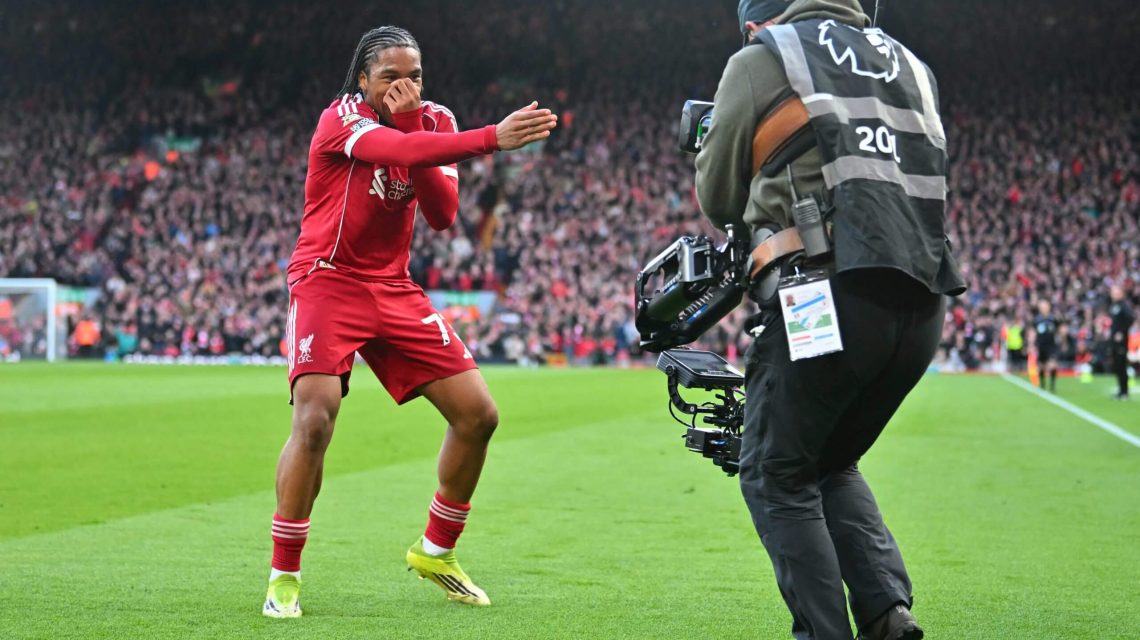
Bezos is targeting Liverpool for investment, a decision influenced by the profitability observed from the club’s recent asset sales. High-end English football is perceived as a stable and lucrative investment for those willing to commit long-term. Fenway Sports Group purchased Liverpool in 2011 for about $470 million and recently sold about 38% of the club, including shares to Bezos, for approximately $2.7 billion.
The potential future increase in club value, spurred by TV rights negotiations and potential league changes like the European Super League, presents further financial growth opportunities. The Premier League’s upcoming television rights deal adds another layer of potential value improvement.
Strategic Approach and Future Prospects
Bezos is not immediately joining the club’s board, opting instead to observe while the club’s value ascends. His involvement is part of a consortium that now holds a slightly larger ownership stake than some other investors in major clubs such as Manchester United. INEOS, for example, manages operations hands-on at Manchester United, a contrast to Bezos’ approach.
Leadership at Liverpool remains stable with Fenway Sports Group, though speculation exists about future ownership changes. Potential full control by 1892 Holdings within the next 12 months could redefine the club’s management landscape.
The consortium’s actual stake in Liverpool is closer to 40%, indicating a smaller leap to majority ownership than initially perceived. This is important to Liverpool fans, whose relationship with club management has been marked by trust issues and financial concerns.
The Future Under Bezos’ Influence
Bezos’ involvement coincides with the aging leadership of Fenway Sports Group, suggesting a phased leadership transition could be underway. Past management transitions were handled delicately to maintain stability.
Within the consortium, Amit Bhatia and Eduardo Saverin bring varied backgrounds, with Bhatia’s experience in football and Saverin’s tech industry prominence. Bezos’ stake raises questions given his leadership in technology, potentially drawing attention from peers in the tech world.
Influence from tech giants in football may follow the era of business magnates, oligarchs, and nation-states. Bezos’ instinct may eventually steer towards more considerable engagement with Anfield’s operations.
Football club ownership diverges from other Bezos ventures due to existing cultural and emotional ties. Liverpool’s engaged supporters are alert to how new leaders, such as Bezos — who faced union issues at the Washington Post — handle club operations.
The broader football community remains watchful. Anticipation builds for revelations from Bezos and his partners on their intentions for Liverpool, signifying a period of transition and opportunity within English football.
 Washington Family Seeks Supreme Court Intervention in Wrestling Case
  Recap of Recent Golf Highlights
  Hard-Throwing Pitchers Shine in MLB Playoffs
  Golden State Valkyries Triumph Over Las Vegas Aces in Semifinal Opener
  Oklahoma Considers Quarterback Changes After Loss to Georgia
  The Evolution of Electronic Shelf Labels in Grocery Stores