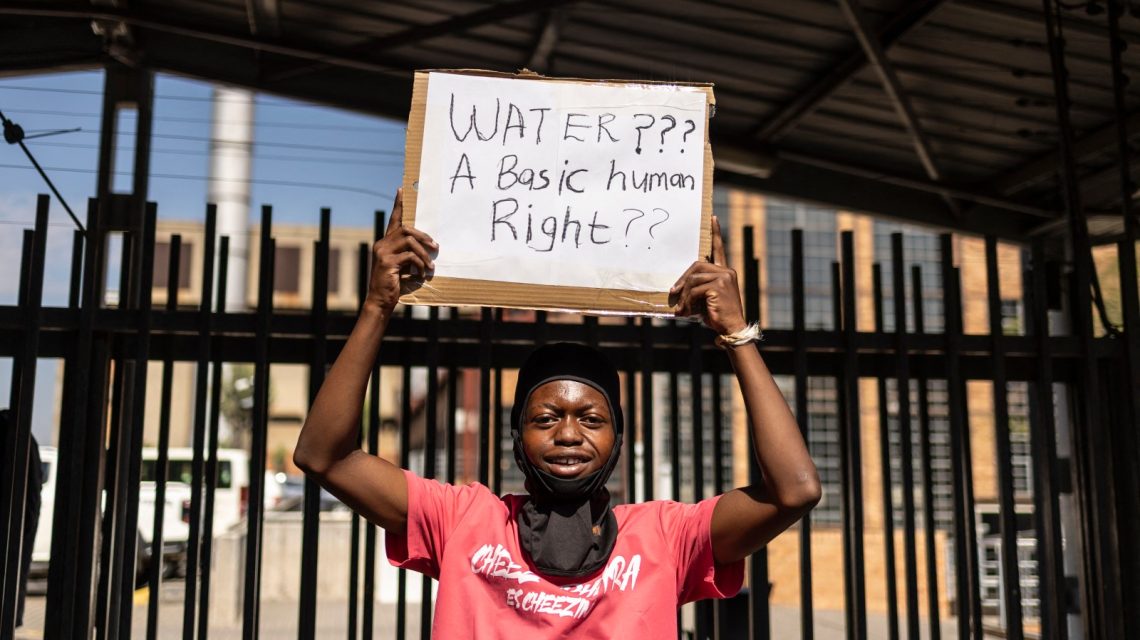
Overview of the Water Problem in Johannesburg
Johannesburg, a city with about 6.2 million residents, is facing a significant disruption in water supply. People are experiencing extended periods without running water. This situation has led to proposed supply cuts and restrictions by authorities.
The issue has captured attention on social media, with a post garnering 8 million views regarding the crisis. The water shortages are severely affecting daily life. A resident, 59-year-old Sharlene Smith, described how the shortage forces her to navigate dangerous areas to fetch water for her elderly mother. Businesses, like a coffee shop, are feeling the impact too, as they spend substantial amounts on refilling backup tanks.
Expert Insights on the Water Distribution Network
Craig Sheridan, a water research leader at the University of the Witwatersrand, explained that while water is abundant in regional dams, outdated pipes, reservoirs, and water towers are failing to deliver this water effectively to households. Mike Muller, ex-director general of water affairs, remarked that the main issue lies in the neglected distribution network, which leaks over 30% of supplied water.
Johannesburg’s Mayor Dada Morero acknowledged the crisis, stating that reservoirs are depleting faster than they can refill. He mentioned past labor disputes as contributing to delays in addressing infrastructure challenges. Morero noted ongoing improvement with reservoir levels rising from 37% to 41%. Johannesburg Water plans to use their own fleet of water tankers to assist informal settlements lacking formal infrastructure.
Structural Issues and Solutions
Johannesburg’s unique position far from natural water sources complicates water distribution. Sheridan emphasized the poor state of maintenance within the city’s extensive pipeline network, adding that addressing the maintenance backlog demands significant resources. He projected that future dams might be rare due to spatial limitations.
Anja du Plessis, a geography professor, stressed the existence of sufficient water supplies and criticized the network for inefficiencies like leaks and power outages that hinder water movement. She argued that systemic failures rather than resource scarcity are the core issues.
Current and Proposed Water Restrictions
Since September, the city has enforced ‘Level 1’ restrictions, preventing the use of hoses for non-essential tasks. Johannesburg Water suggested tightening these restrictions, such as requiring spray nozzles and using treated wastewater for certain functions.
Sheridan advocates for prioritizing maintenance to reduce leaks, potentially improving water availability by 30-40%. He proposed incentives to promote water conservation among citizens, coupled with revising tariffs to encourage responsible usage.
Political and Administrative Challenges
Political instability due to coalition governance has hampered effective maintenance. The ANC’s loss of majority in 2016 brought challenges in administrative consistency. The upcoming elections have made water management central to political agendas.
Johannesburg Water continues efforts to detect leaks and manage infrastructure, urging residents to minimize water consumption to aid system recovery.
 Virginia Residents Sue Over Alleged Immigration Violations
 United Airlines Faces System Outage Amid Banking Disruptions
 MTA Worker Attacked During Subway Dispute
 Home Invasion in California: Elderly Woman’s Struggle with Squatters
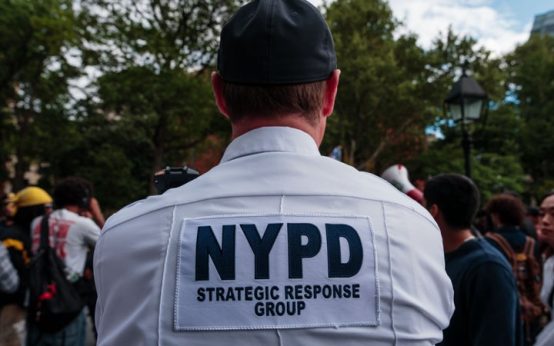 NYC Mayor Disbands Controversial Police Unit
 Travel Chaos and Innovation Amid FAA Ground Stop