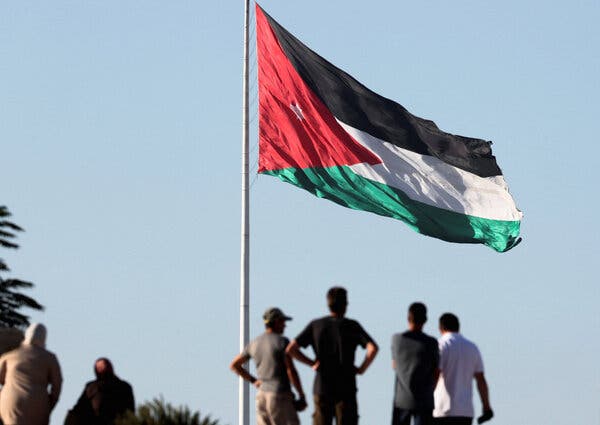
Jordan’s involvement in U.S. operations against Iran has increased as regional allies limit Washington’s access to their bases and airspace. Iran’s recent attacks on U.S.-allied Jordan, including one that resulted in the death of two U.S. servicemen, have added new complexities to the ongoing conflict.
Analysts attribute Iran’s focus on Jordan to the country’s growing role in U.S. military operations aimed at Iran. Historically, the U.S. and Jordan have cooperated on military, intelligence, and counterterrorism efforts. Jordan hosts key U.S. air bases, and American officials reveal that Washington has increasingly relied on Jordan. This reliance grew before and during the early stages of the war against Iran, as the Pentagon relocated several forces from Gulf Arab nations to the relatively safer regions in Jordan and Israel.
As other American allies in the area limited U.S. troop placements and aircraft operations over their territories, Jordan’s role became more pivotal. However, unlike wealthier Gulf nations, Jordan depends significantly on U.S. foreign aid, leaving it in a weaker position to oppose Washington’s plans.
Omid Memarian, an analyst at DAWN, a think tank based in Washington, speculated that Gulf countries, such as Saudi Arabia, may be even more reluctant now to allow the U.S. to use their bases for actions against Iran, following retaliatory strikes. Conversely, due to its security agreement with the U.S. and the dominant nature of their relationship, Jordan may not have the leverage to refuse.
Recently, Jordan took precautionary measures by evacuating the international airport and seaport in Aqaba after acknowledging a specific and credible threat. The Jordanian military later intercepted three Iranian missiles targeting the nation, with a fourth missile landing in an uninhabited area.
 British Police Arrest Man Suspected of Terror Plot
  Activists Push for Nationwide Ban on Child Marriage in the U.S.
  Investigation into Alleged Incident at Cornell University
  Rising Drone Threats Highlight Vulnerabilities in Moldova’s Airspace Defense
  Bolivia Faces Security Test Amid Unrest
 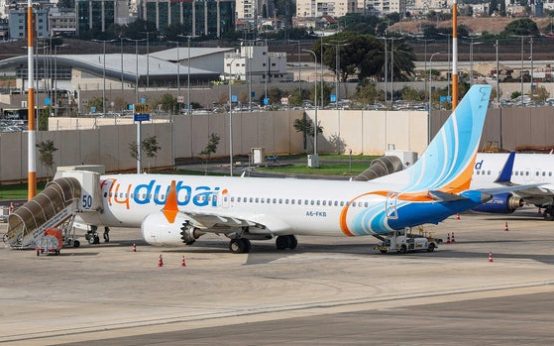 Incident on FlyDubai Flight Raises Security Concerns