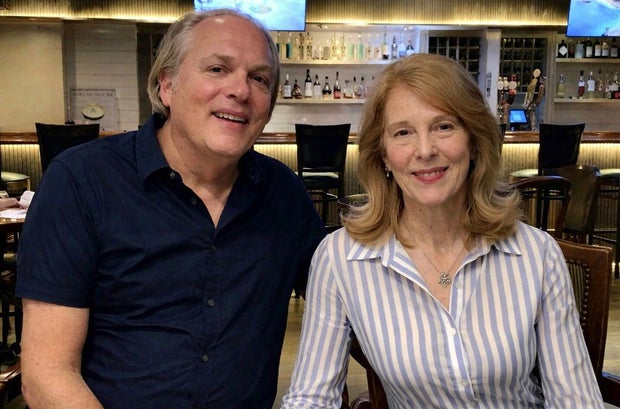
Marc Gaudisosi’s life as a touring musician involved persistent fatigue and shortness of breath. Initially, he dismissed these symptoms as part of his lifestyle. When a headache persisted, he suspected a sinus infection. None of his attempts to alleviate the symptoms worked.
In January 2025, Gaudisosi visited a CVS Minute Clinic for guidance. A nurse there noted a heart murmur and urged him to see a doctor promptly. His primary care doctor confirmed the murmur and referred him to a cardiologist. After several tests, he was diagnosed with mitral valve regurgitation in mid-February. This condition causes blood to leak back into the heart, creating stress and potential complications.
Marc’s mother, Jean Gaudisosi, had been diagnosed with the same condition in 1998. Despite the familial coincidence, Dr. Jordan Bloom explained that mitral valve regurgitation is typically not inherited. He suggested a possible genetic explanation for their experiences.
Understanding Mitral Valve Regurgitation
The mitral valve is crucial for directing blood between the heart’s left atrium and left ventricle. In mitral valve regurgitation, the valve does not close properly, leading to blood flow returning to the atrium. This can cause arrhythmias and eventually heart failure symptoms such as shortness of breath and leg swelling.
While often linked to heart disease or other damage, in the Gaudisosis’ case, a genetic link might be possible.
A Shared Surgical Experience
Marc’s cardiologist referred him to Dr. Sabet Hashim for surgical intervention. Dr. Hashim had also operated on Marc’s mother for the same condition years earlier. The Gaudisosis felt reassured by this connection.
Dr. Bloom noted that mitral valve repair is more complex than a replacement. Although a replacement with a prosthetic valve can reduce life expectancy, a repair typically supports normal longevity. Ignoring this issue was not an option. Marc underwent the repair on July 22, 2025.
Marc’s recovery was smoother than anticipated. His fear of open-heart surgery was mitigated by the manageable recovery process.
A New Lease on Life
A year post-surgery, Marc, now 57, has returned to performing and releasing new music with his band. The surgery eradicated the symptoms he previously attributed to aging.
“I noticed the difference right away. Once they start telling you all the symptoms, you kind of realize, ‘Well, I do have that,’” Marc shared. “After the surgery, everything went away.”
Now, Marc expects to continue regular cardiologist visits without further mitral valve concerns. He is keen to dive back into creating music and live performances, welcoming the sense of relief and optimism the successful surgery brought.
 Understanding Inflammation: Myths and Facts
  Calm Parenting: Strategies to Manage Stress
  Trump’s Executive Order to Combat Mosquitoes and Ticks in D.C.
  Overcoming Weight Loss Challenges: Brain Health and GLP-1 Medications
  Supporting Children’s Mental Health at Home: Practical Steps for Parents
  Abdul El-Sayed’s Strategy to Attract Health-Conscious Voters in Michigan