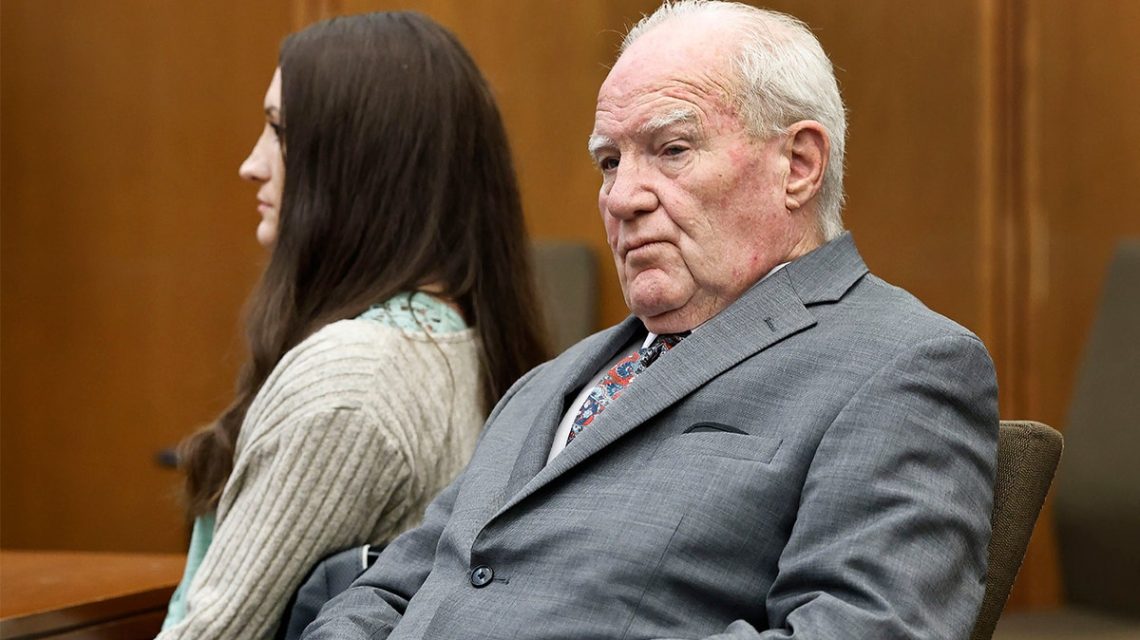
The Lindsay Clancy trial continues its prolonged deliberation phase without reaching a verdict. On the sixth day of discussions, a dispute arises as a juror reportedly refuses to adhere to the legal standard of reasonable doubt. Defense attorney Kevin Reddington argues that this holdout juror jeopardizes the deliberative process.
Jurors have twice reported deadlock, prompting anticipated deliberations to resume the following day under Judge William Sullivan’s direction. Earlier efforts by Reddington to remove the dissenting juror were unsuccessful. Prosecutors opposed the removal, asserting that assessing the juror’s actions would improperly delve into private jury discussions.
Reddington highlights an emerging divide, indicated by a later jury note suggesting an 11-to-1 split. However, the letter does not reveal the specifics of the jury’s division regarding the verdict decision.
Sullivan plans a thorough inquiry to address the impasse. If jurors maintain their inability to agree unanimously, this could precipitate a mistrial.
Further arguments concerning the jury issue are poised for open court debate rather than private sidebar discussions.
Reddington expresses readiness for a potential retrial, emphasizing prepared witnesses and evidence. He anticipates possibilities for delays but remains resolute, pending negotiation with Plymouth County District Attorney Timothy Cruz regarding any plea considerations.
Lindsay Clancy faces charges for the murder of her three children, aged under six. The focal point of deliberations is whether Clancy bore criminal responsibility due to alleged postpartum psychosis.
Prosecutors advocate that Clancy understood her actions, while defense contends her mental condition hindered legal conformity.
The jury deliberates among several potential verdicts, encompassing varying degrees of murder and manslaughter and consideration of Clancy’s criminal responsibility.