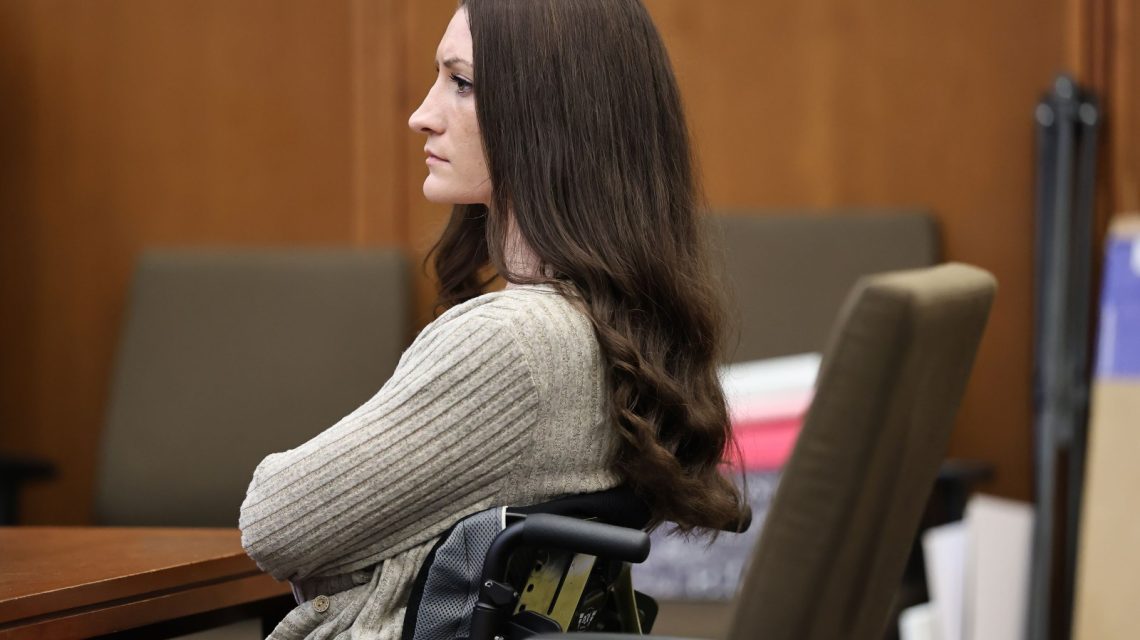
Jurors from the Lindsay Clancy murder trial have publicly discussed the 11-1 split that led to a mistrial. Legal experts suggest this could provide Clancy’s defense with new leverage in plea negotiations.
I do think all of the comments we have heard from the jurors thus could be used as leverage by the defense when considering a possible plea deal,
Jessica Levinson, a professor at Loyola Law School, told Newsweek. She noted that the prosecution nearly lost the case and both sides are aware of this.
The significant vote discrepancy may bolster the defense’s argument for a deal. Eleven of the twelve jurors were ready to declare Clancy not criminally responsible, while prosecutors consider whether to retry the case.
Heather Cucolo, an adjunct professor at Emory Law and New York Law School, emphasized that the jury’s overwhelming support for Clancy’s defense serves as a warning for prosecutors. She added, A near-unanimous vote for acquittal can shift the dynamics, warning prosecutors that pursuing a retrial could be an uphill battle with uncertain prospects for success.
The potential for a second jury to reach a different conclusion and a considerable strategy shift by prosecutors were discussed. Levinson acknowledged the impact of the first jury’s disagreement on the prosecution’s future decisions.
The jurors’ public statements further strengthen the defense’s position. Some jurors criticized the sole dissenter and detailed the deliberation disagreements. Cucolo said these reports highlight the challenges prosecutors could face in a second trial.
For prosecutors, the decision involves weighing the risks of another trial against a negotiated resolution’s certainty. This consideration also involves the human costs, including recalling traumatic testimonies from relatives, first responders, and medical experts.
Cucolo emphasized how highlighting a favorable jury split is a classic defense tactic. She noted the potential difficulty prosecutors face in securing a conviction in a retrial if they decide to proceed.
What Did the Jurors Say?
Three female jurors, including the foreperson, expressed frustration with the lone holdout. One juror, Paula Devlin, mentioned the holdout remained focused on crime scene details instead of applying reasonable doubt appropriately.
Another juror, Nick Dargie, offered a differing view. He felt the prosecution failed to prove Clancy’s criminal responsibility and predicted a retrial could result in a not-guilty-by-reason-of-insanity verdict.
Is a Plea Deal Possible?
One potential route for Clancy is a plea deal. Her attorney, Kevin Reddington, indicated openness to such negotiations with Plymouth County District Attorney Timothy Cruz. The defense aims to avoid a second trial while addressing Clancy’s mental health condition.
However, no plea agreement has been confirmed, and prosecutors have not signaled intent to negotiate. The defense also seeks a favorable court outcome, having asked Judge Sullivan to find Clancy not guilty.
If granted, Clancy would not face a retrial. If denied, prosecutors must decide between retrying the case, pursuing another resolution, or a different approach.
What Happens Next for Lindsay Clancy?
Clancy remains in a psychiatric facility as the legal process unfolds. Her next significant court date is September 29, where Judge Sullivan could rule on the defense’s acquittal request. Prosecutors may reveal their intentions for a second trial.
A retrial is an option since the first trial ended in a mistrial. However, prosecutors must consider securing a unanimous verdict against the first trial’s evidence and the potential emotional impact and cost of a new trial.
The 11-1 jury split remains a strong defense asset, while prosecutors face the challenging decision of risking another deadlock or finding a resolution to conclude the case.