The 2026 midterm elections have concluded, presenting Republicans with significant challenges. As discussions unfold about what went wrong and who is accountable, three critical issues stand out. Addressing these is crucial to avoid long-term political setbacks.
An Ambitious Vision for the Future
First and foremost, Republicans lack an inspiring vision that captivates the American electorate. Unlike socialists who promote transformative proposals to reshape society, conservative leaders often fall short of providing a compelling alternative vision. They tend to focus on lowering taxes and securing borders, which, while important, don’t offer a profound, motivational future narrative.
Conservatives need to articulate a clear vision where small businesses and families, not large corporations, benefit from tax and regulatory policies. They must envision a country with low taxes, reduced federal spending, and thriving innovation. A society that emphasizes state and local government power can accommodate different cultural and political values within communities, allowing personal ideologies to shape local governance.
Unfortunately, too many Republican politicians prefer minor adjustments to federal operations over significant transformations.
Tackling the Affordability Crisis
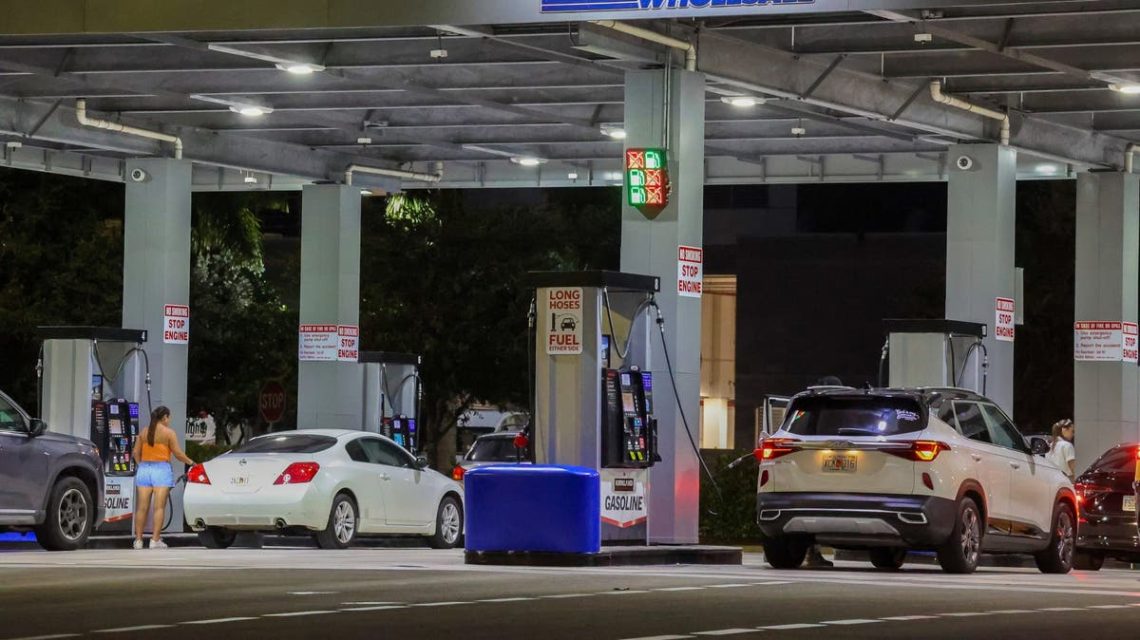
The second major issue is the unresolved affordability crisis. Though President Donald Trump addressed this concern, it remains a substantial burden for many Americans. Despite progress, housing, food, energy, and other essential costs continue to challenge families.
For example, the Federal Housing Finance Agency reported a 54% increase in home prices from January 2020 to December 2024, with a further 2.8% rise by August 2026. High mortgage rates compound these issues, making homeownership is difficult, especially for young buyers.
While inflation rates may have improved since the Biden administration, everyday expenses remain significantly higher. Despite deregulatory measures and support for energy policies, federal budget deficits remain vast, reaching $1.99 trillion in 2026, with potential increases ahead.
To address these problems, Republicans must pursue aggressive fiscal reforms, cutting federal spending, reducing borrowing and interest rates, and dismantling barriers that limit supply expansion in housing and energy sectors.
Unpopularity of War
The third challenge is the Trump administration’s handling of the conflict in Iran. Regardless of personal views on the war, the administration struggled to convince many Americans of its necessity, causing rifts within Trump’s political base.
While some conservatives viewed military action as essential for national security, others questioned its alignment with Trump’s original campaign promises. These internal conflicts became particularly damaging during the electoral season, undermining efforts for a unified front.
The war also heightened economic stress through increased energy costs, further burdening households grappling with affordability challenges. The prolonged conflict drew skeptics questioning the administration’s domestic priorities.
To justify military engagement, especially with significant economic impacts, leaders must ensure public understanding of sacrifices and achievable goals.
As the nation gears up for the 2028 presidential race, conservatives must recalibrate their strategies. To prevent socialist and progressive dominance, developing an inspiring vision, addressing economic concerns, and aligning government priorities with citizen needs is imperative.
Justin Haskins, a New York Times bestselling author, leads Our Republic, a national nonpartisan think tank as president and senior fellow.
 Challenges Await New York Representative in Congress
 Orange County Board Considers Renaming John Wayne Airport Amid Legacy Debate
 Spanish Election Shifts Power Dynamics: Trump Responds to Sánchez’s Defeat
 Texas Governor-elect Expanding Abortion Exceptions and Pennsylvania’s Abortion Rights Debate
 Gov. Hochul’s Upcoming Battle Against New York’s Trial Lawyers
 Governor Hochul’s Strategy to Enhance New York’s Affordability