
Bryan Kohberger, the man accused of killing four University of Idaho students, is seeking to withdraw his guilty plea. Kohberger’s petition cites ineffective legal representation, coercion, disinformation, and false promises, with the aim of securing a new trial. This move has disappointed the families of the victims, including Kaylee Goncalves’ mother, although they expressed little surprise at the legal strategy.
Mackenzie Shirilla, another convicted murderer, faced a legal setback as the Ohio Supreme Court denied her request to reconsider its decision not to hear her latest appeal. Shirilla, serving 15 years to life for killing her boyfriend, Dominic Russo, and friend, Davion Flanagan, drove her car into a building in Strongsville, Ohio, in 2022. Her appeal was rejected one day past the filing deadline.
Shirilla’s attorneys argued that ineffective assistance of counsel led to confusion in the filing timeline, attributing the missed deadline to a calendar mistake related to the 2024 leap year. The legal team claimed Shirilla’s medical condition, Postural Orthostatic Tachycardia Syndrome (POTS), was significant and could have impacted her ability to brake, possibly leading to her loss of consciousness before the crash. This condition was briefly mentioned at trial, although Shirilla’s family had notified her attorneys.
The court’s decision focused on whether Shirilla filed her postconviction petition on time, rather than on the details of these arguments. Under Ohio law, a postconviction petition must be lodged within 365 days after the trial transcript is filed. The court identified October 24, 2023, as the filing date for the transcript, setting the deadline for October 23, 2024. Shirilla filed her petition on October 24, 2024, the 366th day. Her claim to start the clock on a later transcription date was rejected, as was her plea based on the leap year.
Shirilla’s direct appeal maintained her crash was not intentional. Evidence such as surveillance video, vehicle data, and testimony led to her conviction.
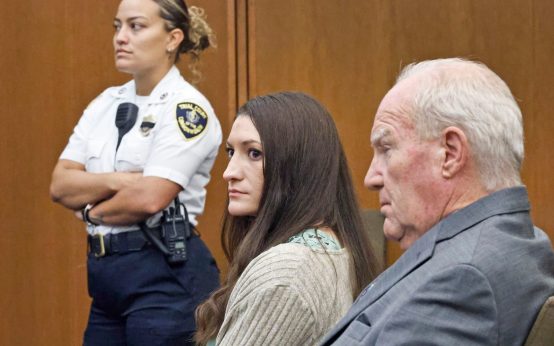 Lindsay Clancy Faces Potential Retrial After Mistrial
  Tennessee Prepares for Rare Execution of Woman on Death Row
  Mistrial in Lindsay Clancy Case: Juror Speaks Out
 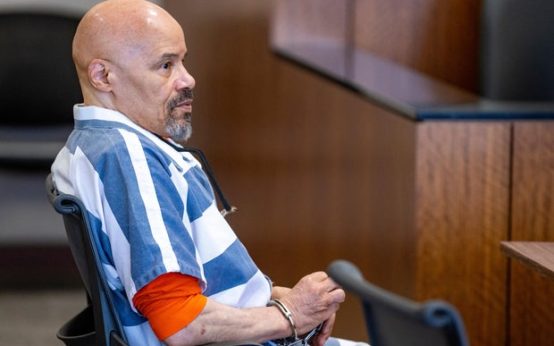 Utah Judge Orders Release of Man on Death Row After DNA Evidence Emerges
  Kurt Olsen Resigns from the Justice Department Amid Investigation
  New Developments in Cornell University Fraternity House Assault Case