Several major labor unions have started a lawsuit against the Trump administration’s student loan overhaul. Filed on Tuesday, the lawsuit claims changes to the definition of a “professional degree” could hinder students from entering public-service fields like education, social work, and public health.
Legal Challenge to Student Loan Changes
This lawsuit marks another legal obstacle to President Donald Trump’s efforts to alter the federal student loan system. Lee Saunders, president of the American Federation of State, County and Municipal Employees (AFSCME), voiced concerns about staffing crises in public service fields. “The court must strike down this illegal rule to safeguard quality patient care, social services, and public health,” Saunders stated.
Why It Matters
The lawsuit arrives as many student loan borrowers are adjusting to changes effective from July 1. Under the new regulations, graduate students face a $100,000 lifetime federal borrowing cap, while certain professional degree students may borrow up to $200,000. Critics argue that the administration’s interpretation of “professional degrees” could limit access to necessary fields already facing workforce shortages.
Details of the Lawsuit
Filed by a coalition including AFSCME, the American Federation of Teachers (AFT), National Nurses United, and the AFL-CIO, the lawsuit disputes portions of the Education Department’s changes. The unions claim the administration didn’t follow proper procedures and narrowed the definition of professional degrees too much.
Michael Ryan, finance expert, pointed out that the suit does not contest the borrowing caps but challenges how the Education Department distinguished between professional and graduate degrees. This decision could substantially affect programs like nursing, teaching, and social work.
Implications for Public-Service Professions
The unions argue the administration’s decision to restrict eligibility for the $200,000 borrowing cap could worsen staffing shortages in public-service professions. When announced, the Education Department listed only 11 programs qualifying for higher lending thresholds. Excluded fields, like social work and education, may become less accessible and affordable for students.
Concerns and Criticisms
Alex Beene, a financial literacy instructor, noted that limits and changes might make graduate programs inaccessible. Critics fear that eliminating Grad PLUS loans and imposing caps might push students toward private loans that Public Service Loan Forgiveness cannot forgive.
Ongoing Legal Battles and Possible Outcomes
This lawsuit adds to existing legal challenges over Trump’s student loan policies. Other cases challenge borrowing caps and repayment changes. Newsweek reached out to the Department of Education for comment.
Ellen Keast, press secretary for higher education, defended the department’s interpretation. She emphasized that the policies aim to make higher education more affordable by narrowing definitions and securing student and family interests.
Market and Staffing Considerations
Some suggest the private sector could offer higher salaries to combat staffing shortages in fields like social work and nursing. Kevin Thompson, CEO of 9i Capital Group, remarked on the potential difficulties in financing degrees in shortage-stricken fields, which could affect future student decisions.
Next Steps
The lawsuit will proceed in federal court. Judges will consider challenges to the administration’s student loan policies. The case’s outcome may determine which graduate programs will qualify for higher borrowing limits and the validity of the current definitions.
 Regents Exam Elimination Raises Concerns Over Student and School Accountability
  Education Funding Disparities in West Virginia
 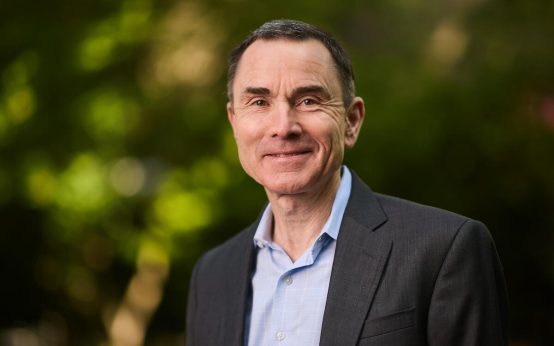 David Madigan Appointed as USC’s Chief Academic Officer
  North American Values Institute Questions Pittsburgh Schools’ New Curriculum
 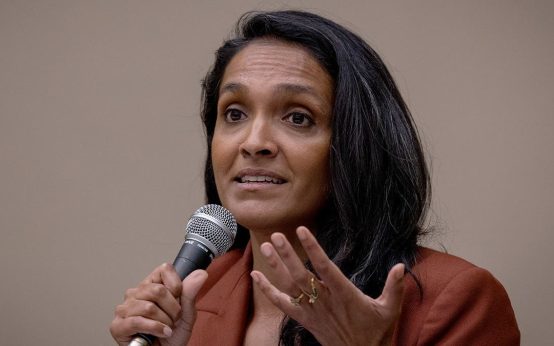 Debate Over Proposed English-Only Rule for Head Start Programs
  Impact of Removing Regents Requirement on Education