Meta’s Settlement and Attorney Actions
Meta agreed to pay $17.1 billion in penalties to states over claims about its platforms being addictive. Attorney Jennifer Hoekstra is focusing on the next issue involving Big Tech, which is sports betting.
Lawsuits Against FanDuel and DraftKings
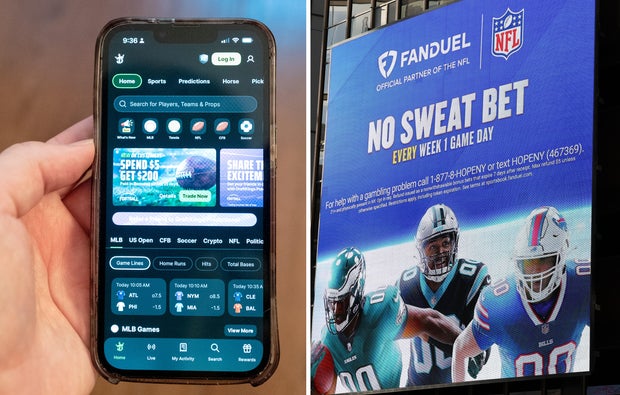
Hoekstra, who was involved in a legal victory against Meta, has initiated 15 lawsuits against the major sports gambling apps, FanDuel and DraftKings. She argues these apps are designed to be addictive, leading to severe personal losses for users.
The Impact of Online Sports Gambling
Online sports gambling has surged in popularity, with $167 billion wagered last year. Concerns are growing over the financial consequences of widespread betting. A UCLA study noted increased bankruptcies and credit card delinquencies in states where online sports gambling is legal.
The National Council on Problem Gambling reported that 8% of American adults experienced problematic gambling behavior last year.
Defense by Gaming Companies
Gaming companies strongly contest the lawsuits, claiming they actively monitor and address problem behavior. FanDuel, the largest online platform, states it spent $158 million on responsible gaming initiatives. The company removed 5,700 problem gamblers last year.
A CBS investigation indicated gaming companies work to retain gamblers, even those facing losses. A former FanDuel employee revealed efforts are more about slowing gamblers down than cutting them off completely.
VIP Programs in Sports Betting Apps
Sports betting apps utilize sophisticated methods to engage users. They offer VIP perks similar to traditional casinos, such as luxury suite access and autographed memorabilia.
Esteban Ruiz-Haynes became a FanDuel VIP after placing significant bets, resulting in unique sports experiences and VIP management support.
An Insider’s Account of Addictive Practices
Louis Ruggiero, a recovering gambling addict, shared his experience with CBS News. Despite losing significant amounts of money, he was offered VIP status. He describes the engagement tactics as predatory retention.
Data Collection and Behavioral Influence
Gambling companies employ advanced data collection methods to track users’ behaviors. According to a former FanDuel employee, notifications lure inactive bettors back into gambling.
Hoekstra argues these notifications perpetuate addiction, drawing parallels to the dynamics seen in social media cases.
Legal Arguments and Concerns
The lawsuits borrow from a precedent involving social media companies deemed addictive. Hoekstra is adapting this argument to target gambling apps.
DraftKings claims it prioritizes responsible engagement, offering bettors customizable limits through advanced tools and training employees in responsible practices.
Personal Stories of Gambling Addiction
Recovering addicts like Ruggiero affirm the addictive design of gambling technology. He recounts gambling during significant life events, likening the app’s design to an engineered addiction.
The Sports Betting Alliance maintains that problem gambling is rare, and industry tools are available to help users control their behaviors.
If you or someone close needs help, resources are available through the National Problem Gambling Helpline and Gamblers Anonymous.
Company Statements
FanDuel emphasized its commitment to responsible gaming, detailing investment and proactive measures in user monitoring and engagement limits.
DraftKings highlighted its dedication to responsible engagement, with specialized roles and tools to support informed betting practices.
Reporter contributions were made by John Kelly, Jake Rosenwasser, and Ed Givnish.