Lawsuit Against SNAP Restrictions
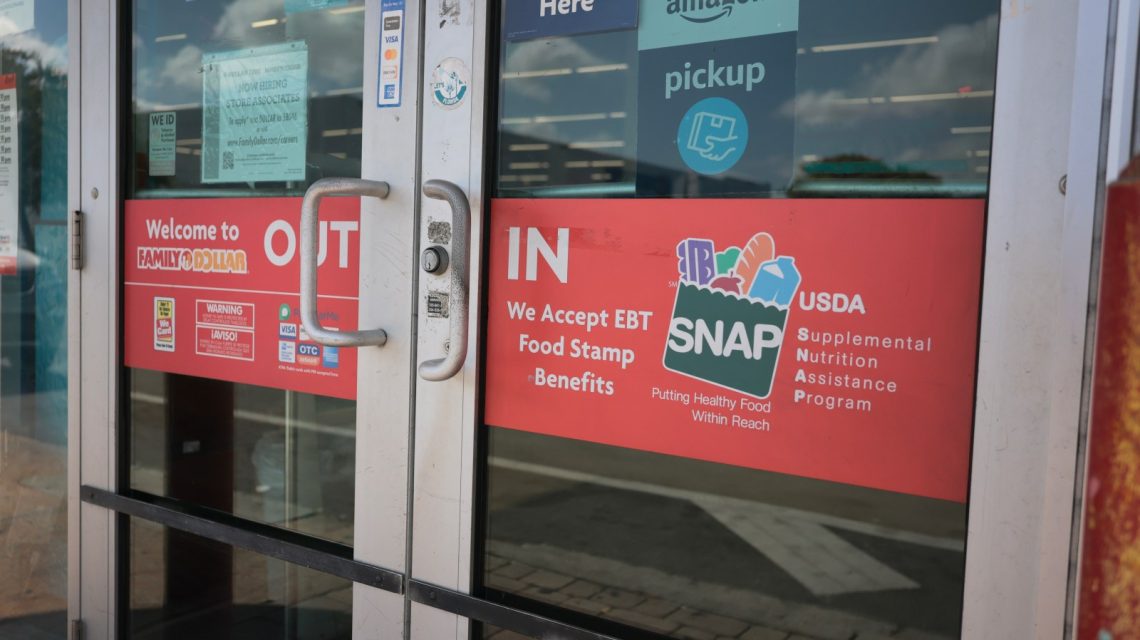
A lawsuit has been filed to challenge the Trump administration’s new restrictions on the Supplemental Nutrition Assistance Program (SNAP). These restrictions limit what certain SNAP recipients can purchase, particularly focusing on soda, candy, and similar items.
The lawsuit is driven by the National Center for Law and Economic Justice. It contests the U.S. Department of Agriculture’s (USDA) newly imposed limits in 18 states. Federal authorities argue these restrictions aim to improve nutrition and reduce chronic diseases.
Impact on SNAP Recipients
However, plaintiffs argue that these restricted products can be vital for managing certain medical conditions. The complaint states that some SNAP recipients find it difficult to manage chronic conditions or purchase necessary foods and drinks under the new rules.
The lawsuit highlights how these restrictions may negatively affect the health of recipients with specific needs.
The federal government’s increasing role in dictating what low-income Americans can purchase through SNAP could lead to unintended consequences. This is particularly concerning for individuals with disabilities or those living in areas with limited food access.
Legal and Health Concerns
The lawsuit targets restrictions in states like Arkansas, Florida, and Texas, among others. Each state’s rules differ. For instance, Hawaii restricts soft drinks, while Florida bans soda, energy drinks, candy, and prepared desserts.
States implemented these policies through waivers approved by the USDA. Plaintiffs argue the USDA lacks the authority to make such significant changes.
Katharine Deabler-Meadows of the National Center for Law and Economic Justice stated that these waivers serve as a “backdoor method” to limit SNAP access.
Medical Implications of Restrictions
The lawsuit indicates that these restrictions can have adverse effects. For example, a plaintiff in Idaho, who has multiple chronic conditions, relies on electrolyte drinks and easy-to-eat foods that are now restricted.
This plaintiff has experienced worsening health conditions, including dehydration and kidney function issues, since these rules were enacted.
Another plaintiff in Oklahoma, residing in a hotel without a kitchen, uses certain foods and soda to manage gastrointestinal issues. However, Oklahoma’s restrictions limit these options.
Government’s Perspective
The Trump administration defends the restrictions as an effort to promote healthier diets. Officials argue that SNAP funds should not support the purchase of sugary foods linked to diabetes and other ailments.
Health and Human Services Secretary Robert F. Kennedy Jr. supports the waivers as a means to prioritize “real food” and protect public health.
Previous Legal Challenges
This lawsuit follows a previous legal challenge in June, when similar restrictions in five states were blocked by U.S. District Judge Amy Berman Jackson. The judge ruled that the USDA acted beyond its legal authority.
Judge Jackson emphasized the importance of complying with legal frameworks and not breaching existing regulations.
Future Considerations
This new lawsuit could shape the future of SNAP food eligibility changes. The outcome may rest on whether policies align with legal statutes while addressing the nutritional needs of diverse populations.
As the court proceedings continue, the rules for SNAP recipients remain dependent on their state of residence.
 Texas Governor-elect Expanding Abortion Exceptions and Pennsylvania’s Abortion Rights Debate
 Gov. Hochul’s Upcoming Battle Against New York’s Trial Lawyers
 Governor Hochul’s Strategy to Enhance New York’s Affordability
 States Challenge Immigrant Enforcement Amidst Legal Battles
 The Rule of Law and the Fall of the Roman Republic
 Latest Developments in Politics, Technology, and Economy