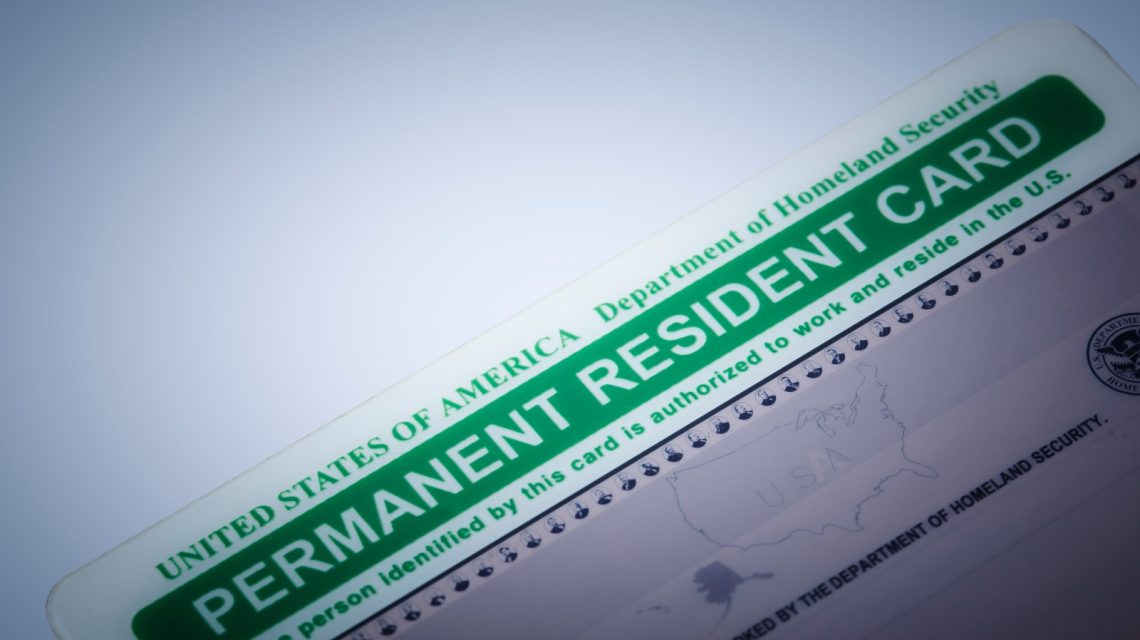
The Trump administration is facing a proposed class action aimed at stopping policies that have stalled green card applications for thousands of refugees. The case also addresses renewed scrutiny on some refugees’ original claims. This lawsuit was filed by six refugee organizations and four individual refugees in the U.S. District Court for the District of Massachusetts.
Policy Challenges
The case focuses on three policies from the Department of Homeland Security (DHS) and U.S. Citizenship and Immigration Services (USCIS):
- An indefinite hold on certain green card applications for refugees.
- A program to re-examine refugees admitted during the Biden administration.
- A new rule reducing the response time for termination notices from 30 days to 10.
The plaintiffs argue these policies violate federal immigration and administrative law, along with due-process protections. They seek emergency relief, including an immediate stay on the new 10-day rule.
Litigation Goals
The plaintiffs want the court to block these policies during the case and eventually nullify them. They also aim to certify a nationwide class of refugees affected by these policies as of October 14, 2026, or later. This group could consist of tens of thousands of people. The class certification is pending in court.
Individual Plaintiffs
The lawsuit includes four individual plaintiffs, each waiting on green card applications:
- Lida A. from Afghanistan, living in Massachusetts.
- Abdi B. from Ethiopia, living in Minnesota.
- Julio C. from Colombia, living in Texas.
- Firas D. from Iraq, also in Texas.
These individuals face differing circumstances but share the common issue of delayed green card processing.
Organizational Support
The organizations involved in the lawsuit are:
- Partnership for the Advancement of New Americans
- Jewish Family Service of Western Massachusetts
- International Institute of New England
- African Communities Together
- HIAS
- Refugee Council USA
Understanding USCIS Policy Memo
The case challenges a USCIS policy from November 21, 2025. This policy put pending green card applications on hold and called for new assessments. It prompted reconsideration of whether refugees met the criteria when admitted, citing national security.
Plaintiffs argue the government lacks authority for indefinite holds or blanket re-evaluation of already admitted refugees. DHS has estimated about 113,000 refugees have pending applications. USCIS data showed a significant drop in refugee adjudications earlier this year, compared to previous years.
Trump’s Refugee Policy Changes
Under President Trump, several changes affected refugee policies. An executive order paused refugee entries and decisions. Another order introduced additional security measures. The administration also launched a new program for white South Africans and set a low ceiling for refugee admissions.
Operation PARRIS
Operation PARRIS started in January, focusing on 5,600 refugees. New background checks and verifications led to arrests and detentions, but subsequent court orders blocked these practices. In March, a court also stayed a nationwide detention policy.
10-Day Rule Change
DHS enacted a rule change on October 14, reducing the response time to 10 days for termination notices. The rule aimed to enhance the immigration system’s integrity. Plaintiffs contest the adequacy of this timeframe for obtaining necessary documentation and representation.
 Mayor Mamdani’s Policing Reform Plans
 Gen Z Voter Shifts and Their Impact on the 2026 Midterm Elections
 Disappearance of US Senate Candidate Raises Questions
 DOJ Rule Change Reduces Appeal Time for Immigrants Facing Deportation
 Hakeem Jeffries’ Bid for House Speaker Faces Progressive Hurdles
 Ohio Judge Dismisses Defamation Lawsuit by Rep. Max Miller