Background and Current Developments
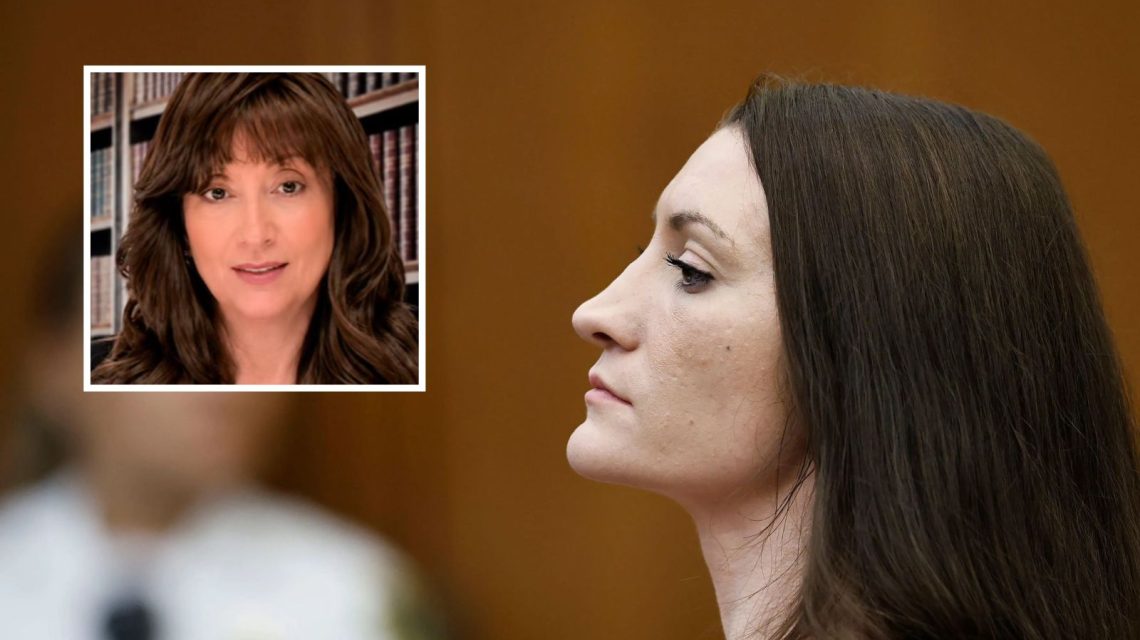
As Lindsay Clancy’s murder trial nears its conclusion, new perspectives have emerged about her criminal responsibility. Clancy is accused of killing her three young children in January 2023 at their Massachusetts home, followed by a suicide attempt. Her defense claims she was suffering from postpartum psychosis, experiencing command hallucinations, which impaired her understanding of the wrongfulness of her actions. Prosecutors contend that despite her mental health issues, Clancy held criminal responsibility for the murders.
Changing Views in the Legal Community
Shari Karney, a civil rights attorney and victims’ advocate, initially believed Clancy was culpable. However, after weeks of testimony, Karney has revised her stance, aligning with the defense’s assertion of Clancy’s psychotic state and command hallucinations. As she explained, the trial shifted her perception from a calculated act to one driven by severe mental illness, a perspective she believes may influence the jurors.
Testimonies Highlight Mental Health Struggles
“The prosecution’s expert witnesses — that’s what changed my mind.” — Shari Karney
During the trial, defense attorney Kevin Reddington challenged prosecutor Buckingham’s assertion about Clancy’s alleged manipulation of medical providers. Forensic psychiatrist Dr. Gregory Saathoff conceded that the prosecution’s opening remarks underestimated Clancy’s mental-health crisis severity.
The Implications for Mental Health Care
Karney emphasized Clancy’s extensive efforts to seek psychiatric help before the killings. Despite her interactions with multiple healthcare providers, there was a lack of coordination in her treatment, complicating her condition. Karney argued that Clancy experienced symptoms akin to a ‘mental health stroke’, criticizing the fragmented care and inadequate use of telehealth services for someone in psychiatric turmoil.
Gender Dynamics in Mental Health Treatment
Karney suggested Clancy’s case reflects broader issues in mental-health treatment, particularly gender biases. She believes women’s symptoms associated with postpartum conditions may be trivialized compared to similar reports from men, affecting the response to their crises.
Historical Context and Broader Impact
The Lindsay Clancy case mirrors prior incidents, such as Andrea Yates’s case, where severe postpartum mental illness and criminal liability were hotly debated. Experts assert that these legal proceedings underscore the need for improved coordination in mental health services, especially concerning postpartum disorders.
Key Takeaways
- Focus of the Trial: Clancy’s defense does not dispute the killings; the central question is her criminal responsibility at the time.
- Efforts to Seek Help: Evidence presented in court reveals Clancy’s active pursuit of psychiatric assistance before the tragedy.
- Defense vs. Prosecution Interpretations: Defense labeled Clancy as psychotic; prosecution insisted on her methodical actions.
- Significant Admission: Prosecution witness acknowledged their opening statement underestimated Clancy’s suffering.
- Trial’s Broader Implications: The case revisits the treatment of postpartum mental illnesses within medical and legal perspectives.
Current Status and Trial Details
The trial, ongoing at Plymouth Superior Court in Massachusetts, has not seen Clancy on the stand, relying on medical experts’ testimony instead. While Clancy continues in custody, the jury will determine her legal responsibility with a verdict that may lead to her commitment to a psychiatric facility rather than imprisonment.