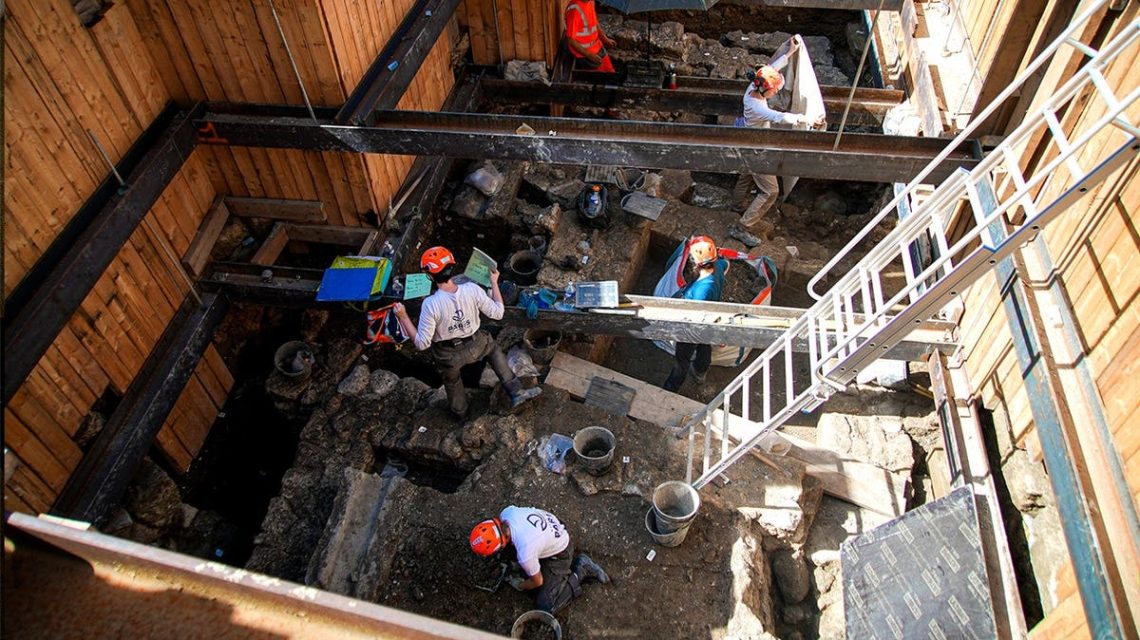
Archaeologists working at Notre Dame Cathedral in Paris have made significant discoveries as they continue to unearth centuries-old history beneath the iconic site. Following the 2019 fire that led to the cathedral’s rebuilding, excavation efforts have revealed a treasure trove of artifacts, including a Roman coin approximately 1,700 years old and mysterious markings that remain undeciphered by experts. The Associated Press (AP) reported these findings in June.
Findings Unearthed in the Cathedral’s Forecourt
Excavations conducted approximately 13 feet below the ground have disclosed remnants of Paris’s rich historical layers. Notable discoveries include a 4th-century coin featuring Emperor Constantine and medieval pottery fragments with unexplained reddish markings. Valentine Breloux, an archaeologist involved in the project, mentioned the rarity of unearthing complete ceramics and highlighted the peculiar markings found inside pottery fragments.
A Glimpse into Daily Life of the Past
The excavation has been dubbed the “dig of the century” by French media. It uncovered numerous artifacts, such as intact jugs and cups discarded into what served as a latrine and garbage pit. The pit also contained broken plates and animal bones. Archaeologists also identified medieval grain pits used from the sixth to the tenth centuries for storing harvested grain. In addition, they discovered a Roman-era doorstep repurposed as road paving.
A Rare Archaeological Opportunity
Lucie Altenburg, a conservator from the Paris archaeology unit, described the excavation as a “rare opportunity” to delve deeper into the history of Paris. Altenburg expressed the hope of uncovering evidence predating the Romans, such as artifacts from the Gauls. Archaeological students like Yasmine Benali find the dig fascinating, emphasizing how ongoing discoveries make Paris feel dynamic rather than static.
A Broader Context
The excavation ties into a broader plan to renovate Notre Dame square, with completion targeted for 2028, featuring more trees and amenities for visitors. Even years after the devastating fire, the cathedral continues to engage the public. Emily Carter, a tourist from Manchester, shared her awe at realizing an ancient city exists beneath the cathedral, making her visit more meaningful.
 Climate-Resistant Rock Glaciers: Hidden Water Resources
  California Voters to Decide on $7.5 Billion State Research Fund
 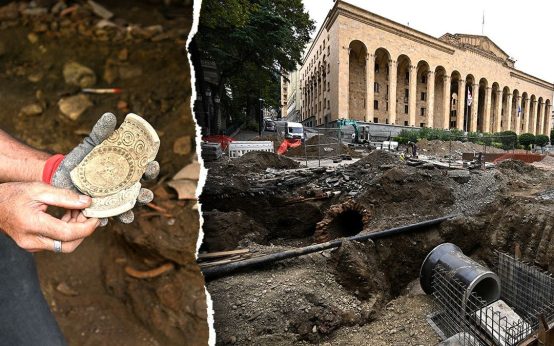 Ancient Pottery Unearthed During Roadworks in Tbilisi
  U.S. Space Academy Announcement
  The Need for New Strategies in Oregon’s Wildfire Management
 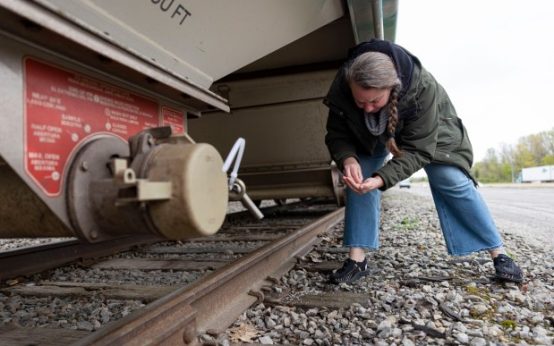 Plastic Pollution in the Great Lakes: A Growing Concern