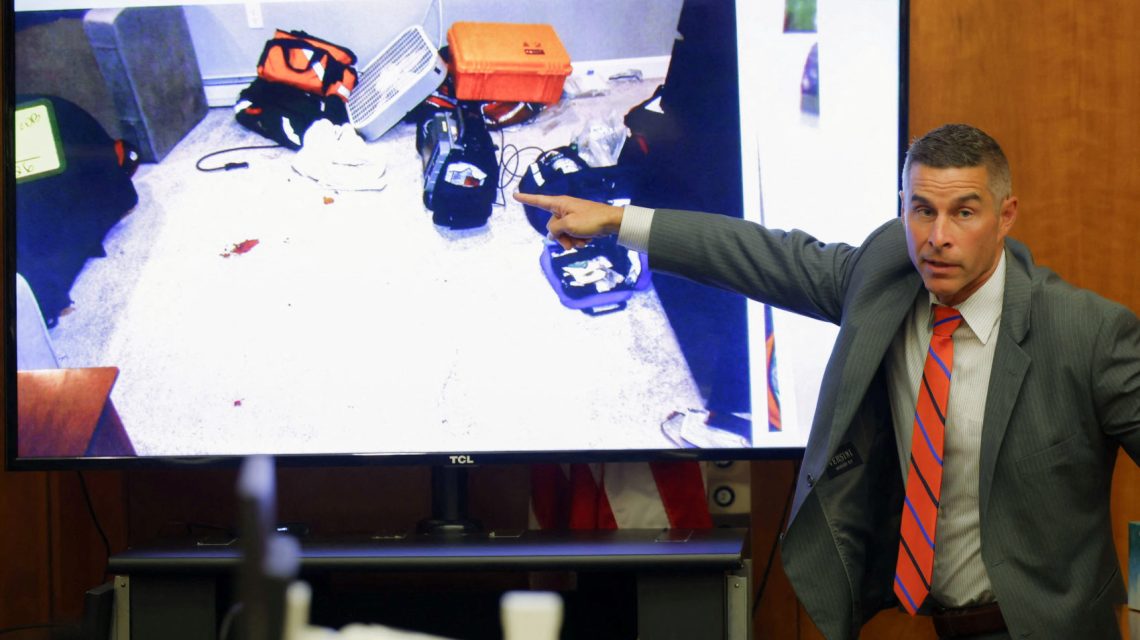
In Plymouth, Massachusetts, the murder trial of Lindsay Clancy resumed with more testimonies following an intense first week. The focus centers on the events in 2023, where Clancy was charged with the strangulation of her three children.
On Monday, the court heard from emergency room doctors who had treated Clancy and her children. Their testimonies expanded on what was shared by their colleagues for the prosecution the previous week. These proceedings delve into the mental health issues central to the case.
Lindsay Clancy’s defense argues she suffered from postpartum psychosis, a severe condition that affects a minority of women after childbirth. This defense claims it caused her to lose touch with reality. Prosecutors argue that Clancy acted with intent and should be held responsible for her actions.
Clancy, 35, showed visible emotion as her former husband, Patrick Clancy, and other witnesses recounted the tragic events in court. Patrick found the children in the basement of their Duxbury home, and Lindsay was severely injured outside, having leaped from a second-floor window, which left her paralyzed from the waist down.
Medical Testimonies Are Crucial
Dr. Michael Snyder described finding Cora Clancy without a heartbeat upon arrival at the hospital, where she was pronounced dead. Eight-month-old Callan Clancy was unresponsive with signs of brain swelling and required a ventilator; he did, however, have a heartbeat when transferred to another medical facility but passed away three days later.
Lindsay Clancy’s lawyers acknowledge her actions. However, they state she had bipolar disorder improperly diagnosed until after the children’s deaths. They contend her mental condition deteriorated as she was prescribed an array of psychiatric medications.
Before the January killings, Lindsay was subjected to various medications prescribed by different clinicians. She reported symptoms like insomnia, anxiety, and confusion. Her lawsuit claims medical care providers failed to recognize her declining mental health.
Seeking Help Amid Crisis
Lindsay attempted to receive help for postpartum depression in late December 2022 but was only advised to reduce her medication. She then admitted herself to a psychiatric hospital for a brief period. Shortly after, she called her psychiatrist for a short session, and the day following that appointment, her mental health crisis culminated in the tragic events.
Her trial included site visits where jurors observed locations relevant to the case, including the Clancy residence.
Grim Discoveries and Legal Proceedings
Patrick Clancy’s testimony detailed his return to find a traumatic scene, leading to a 911 call where he reported the fatalities. Both Lindsay and Patrick accuse medical providers of failing to recognize the risk she posed. Some of these providers deny such allegations, stating that there was no clear indication of her intentions to harm.
Prosecutor Shanan Buckingham emphasized that the focus should remain on Lindsay, not the treatment system’s flaws. If found guilty, she faces life imprisonment without parole. If deemed not criminally responsible, commitment to a mental health facility might follow.
Supporting journalism that engages the public and fosters democratic ideals remains crucial, highlighting the importance of such trials and their coverage.
 Immigration Judge Allows Deportation of Wisconsin Mosque Leader Salah Sarsour
  Lindsay Clancy Faces Potential Retrial After Mistrial
  Tennessee Prepares for Rare Execution of Woman on Death Row
  Mistrial in Lindsay Clancy Case: Juror Speaks Out
  Utah Judge Orders Release of Man on Death Row After DNA Evidence Emerges
  Kurt Olsen Resigns from the Justice Department Amid Investigation