
Google’s Threat Intelligence Group has identified experimental malware named PROMPTFLUX. PROMPTFLUX uses AI to rewrite its own code, making it difficult for security software to detect it due to constantly changing code patterns. This tactic doesn’t make malware invisible but complicates detection.
Despite its development status when Google discovered it, there was no evidence it had compromised any devices. Google disabled assets linked to PROMPTFLUX. Subsequently, Google documented AI’s use in live attacks, uncovering Android backdoors capable of interpreting phone activities and deciding actions. This points to a future where AI-powered malware continuously evolves.
How PROMPTFLUX Functions
PROMPTFLUX, first discovered in June 2025, includes a feature dubbed the Thinking Robot
, allowing the malware to contact the Gemini AI for obfuscation techniques. It can refactor source code hourly while maintaining operational components, posing a challenge for defenders as the malware remains elusive.
This represents an early instance of incorporating AI for “just-in-time” assistance, differentiating from pre-programmed functionalities. Users concerned about whether rewriting malware renders antivirus software ineffective can rest assured that tools like Microsoft Defender Antivirus, utilizing behavioral analysis and cloud protection, still counteract suspicious activities.
AI-Powered Malware in Live Attacks
PROMPTSTEAL, identified by Google, represents a significant shift. Used by the Russian-backed APT28 group, this malware asks the AI model for executable Windows commands, facilitating data theft. These capabilities extend beyond PROMPTFLUX’s rewriting technique, marking an evolution in attack strategies.
PROMPTSPY, another malware Google detailed, affects Android devices by using AI modules to understand and interact with the interface. Google Play Protect effectively counters known PROMPTSPY variations, emphasizing recovery measures for affected users.
Google notes a trend toward AI-enabled automation. Attackers simplify operations and quickly mount credential-harvesting campaigns, exemplifying AI’s role in modern cyber operations.
Safeguarding Against Evolving Malware
Combatting AI-enhanced malware involves specific strategies.
- Employ antivirus protection that integrates real-time monitoring and behavioral detection.
- Keep your software up to date to close vulnerability gaps.
- Recognize and heed security warnings rather than bypass them.
- Be cautious with app sources and avoid pasting commands from dubious sites.
- Utilize multi-factor authentication and password managers to strengthen account security.
- Maintain backups of crucial data to mitigate the impact of ransomware.
Google’s latest observations underscore growing automation in cyber threats. While AI can manage more tasks, fully autonomous attacks remain unobserved. Nonetheless, reacting promptly when malware infiltrates can limit damage.
Conclusion: Evolving Cyber Threat Landscape
PROMPTFLUX highlights a shift toward AI-driven cyber threats, prompting awareness of their advancement. Although antivirus protection continues to evolve, maintaining diverse defenses optimizes device security. With attackers leveraging AI, vigilance is increasingly critical in safeguarding digital environments.
 Senate Democrats Block Data Center Bill Over Efficiency Concerns
  Future Cities: Ambitious Projects Aiming for Innovation and Sustainability
 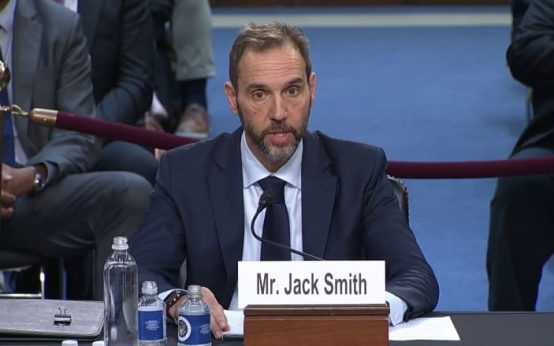 High-Profile Hearing and AI Developments: Key Political Moves
 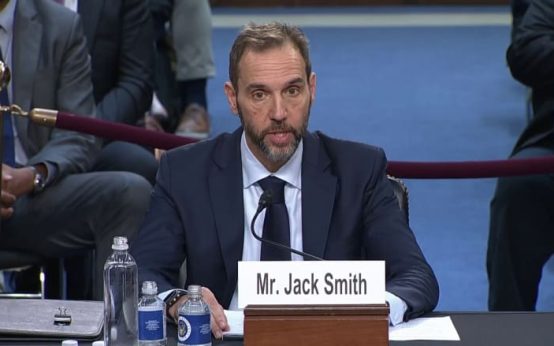 Key Events in Today’s Discussions Involving Jack Smith and President Trump
 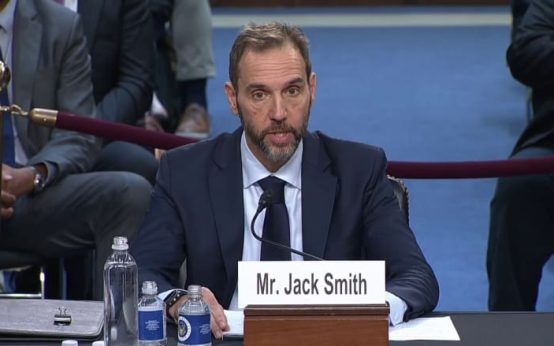 Jack Smith Faces Scrutiny Amid Investigations into Trump
  White House to Promote AI Benefits Amidst Security Concerns