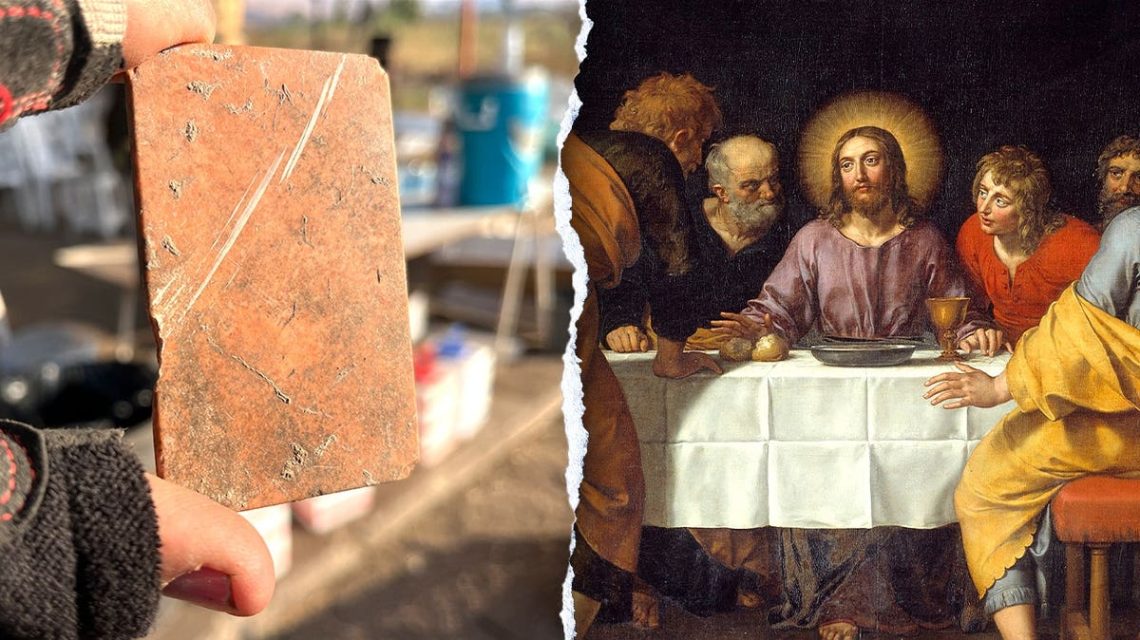
Archaeologists have reported the potential identification of a lost city associated with Jesus Christ’s ministry. After ten years of excavation, the project director confidently asserts the discovery’s certainty. The El-Araj Excavation Project, led by Mordechai Aviam, has been conducting digs along the Sea of Galilee since 2016.
Historical Context of Bethsaida
Bethsaida, situated near Jesus’ ministry in Capernaum, was home to apostles Peter, Andrew, and Philip. Jesus performed several miracles in this city, including the healing of a blind man. The Gospels recount that Jesus fed 5,000 people on the outskirts of Bethsaida.
Excavation Findings
Excavations at El-Araj have uncovered signs of an ancient Jewish fishing settlement and a Roman-period city. New areas revealed Roman remains and pottery this year, according to Steven Notley, a biblical scholar and director of the project.
Researchers have recovered over 200 coins used to date the settlement. A wildfire allowed an extensive survey, revealing the settlement is at least 15 acres.
The team discovered Jewish stone vessels, a Roman bathhouse, and a Byzantine basilica with an inscription linked to Apostle Peter.
Identification of Bethsaida
Notley confirmed the identification of Bethsaida, emphasizing the accumulation of evidence over the years. Extensive evidence of the city’s transformation from a Jewish fishing village to a Roman city supports the identification.
Excavations found lead fishing weights, stone vessels, and remains of a Roman bathhouse, all pointing to Bethsaida.
Significance for Christianity
The discovery is notable for its Christian significance, as Bethsaida featured prominently in the Gospels’ stories about Jesus. Notley explained the importance of the site in Jesus’ life and ministry, considering that a quarter of Jesus’ disciples hailed from Bethsaida.
Further exploration is planned, and researchers remain eager about future findings.
 Climate-Resistant Rock Glaciers: Hidden Water Resources
  California Voters to Decide on $7.5 Billion State Research Fund
 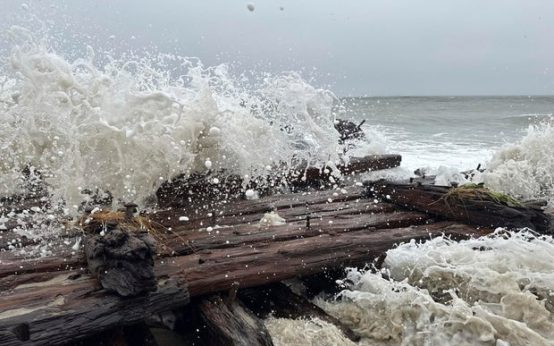 Possible 19th-Century Shipwreck Exposed by Nor’easter in Nantucket
  Midwest Underground Railroad Network Gains National Recognition
  Art Collective Critiques Administration with Mall Installation
  American Hagwon: A Tale of Family and the Korean Diaspora