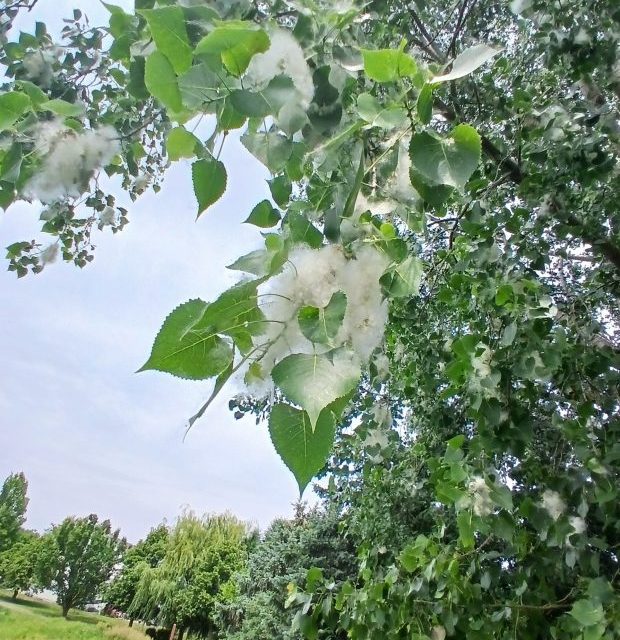
During childhood, many observe small cotton-like fluffs floating in the air around June. These fluffs carry the seeds of the eastern cottonwood tree. For children, this can resemble snow in June, as the cotton gathers along sidewalks. The fascination continues as even adults try to catch it as it falls. This spectacle can be observed in various forest preserves, where the eastern cottonwood thrives. This tree is easily identified by its 3- to 7-inch long, triangular leaves with small, round teeth and a pointed tip.
The eastern cottonwood, part of the poplar family, is a fast-growing species. It can reach heights of 100 feet or more and live over a century. Notable is a specimen in Ogle County, Illinois, standing 122 feet tall and about 200 years old. Another species, the swamp cottonwood, is smaller and found mainly in southern Illinois. Cottonwoods prefer moist environments, often seen by rivers and lakes. They exhibit greenish-gray bark when young, developing into furrowed gray bark as they mature.
Characteristic of the poplar family, the cottonwood has long attachments from the leaves to the branches. This structure makes the leaves flap rapidly in the wind. Cottonwoods begin producing seeds at around 10 years of age, with peak seed production at 30 years. Only female trees produce the cotton. Flowers emerge in early spring on structures called catkins. Male catkins release pollen that travels on the wind to fertilize female flowers. These flowers mature into seeds with white hairs, allowing them to float in the air and water.
For some, like Bill Richmond from Palatine, the floating seeds mark the end of the school year and the start of summer. Others find the seeds messy and associate them with sneezing, although the cotton itself is not allergenic. Instead, pollen from other trees, like oaks, causes allergies.
Cottonwoods can create challenges. Their large roots can interfere with septic systems and pipes, while brittle branches may break during storms. Some municipalities, such as Glencoe, prohibit planting cottonwoods on public land. Glenview considers cottonwood a ‘lesser quality tree.’ Forest Preserves in Lake County actively manage cottonwood growth to promote a diverse ecosystem, a practice shared by Cook County.
Historically, Native Americans used cottonwood bark for food and medicine and crafted ceremonial items from the roots. Cottonwood bark finds modern use in pulpwood and kitchen utensils. Wildlife, including Baltimore orioles, great blue herons, and bald eagles, nest in cottonwood trees. Rose-breasted grosbeaks eat the seeds, and cedar waxwings consume the flowers. Beavers feed on the bark and leaves. Additionally, cottonwood roots help prevent streambank erosion.
Cottonwood trees enhance natural environments along waterways, like those in Lake County. They are significant, much like the esteemed oak. Sheryl DeVore, a seasoned reporter and nature writer, invites readers to share nature-related stories.
 Atlantic Ends September Without a Hurricane for First Time Since 1994
 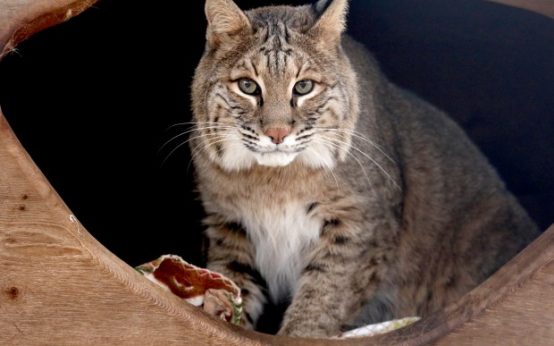 Bobcat Sightings and Conservation Efforts in Illinois
  2026 El Niño: A Historical Comparison and Future Projections
  U.S. Records Warmest September in History
  Swiss Glaciers Show Effects of Ice Loss Amid Global Warming
  Climate-Resistant Rock Glaciers: Hidden Water Resources