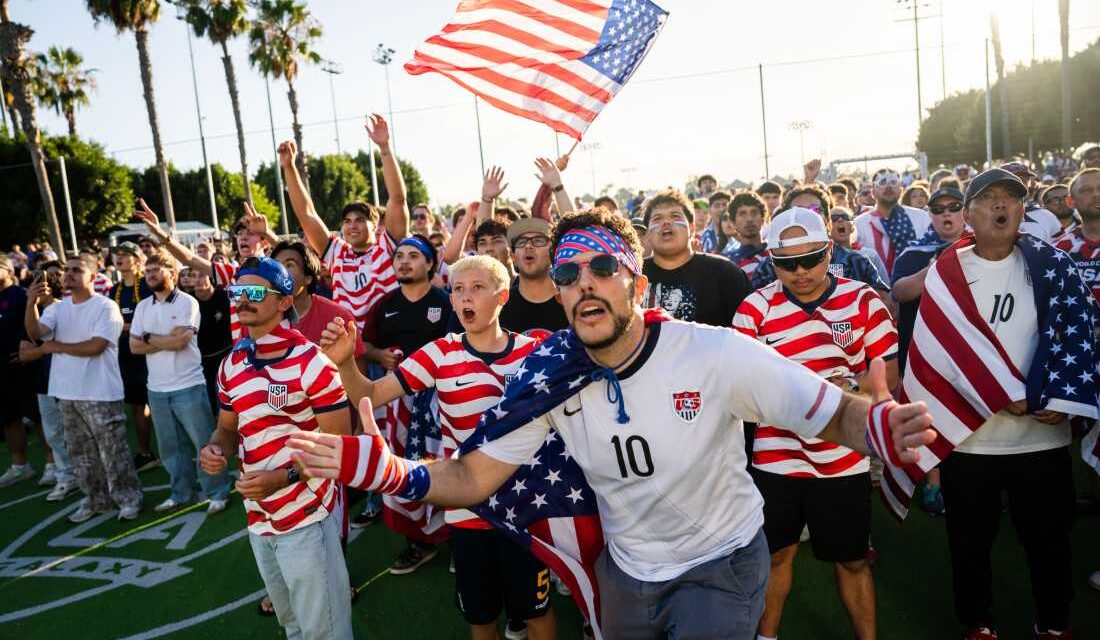
Fans gathered during a World Cup watch party for the match between the United States and Bosnia in Carson, California, on July 1, 2026. In Chicago, a bar in the West Loop witnessed one of the country’s largest watch parties, organized by Chicago’s Major League Soccer (MLS) club, the Fire. By the time the final whistle blew, over 60,000 people had participated during the summer. These watch parties are part of MLS’s strategy to leverage the World Cup’s popularity in the U.S.
The 1994 Revolution
Hosting the 1994 World Cup significantly impacted soccer in the U.S. The event inspired millions of children to join youth leagues and introduced Americans to televised soccer games. It also led to the creation of MLS, as setting up a men’s professional league was a requirement for hosting the tournament. The league has since grown from 10 teams in 1996 to 30 teams, matching Major League Baseball and the NBA. Early broadcasts featured only a few dozen games each season, while now, every match streams on Apple TV.
Chicago Fire’s Strategy
The Chicago Fire embraced the World Cup fever to grow its fanbase, despite Chicago not hosting any games due to financial constraints. With a $3 million investment, the Fire transformed Recess, a large bar with significant indoor and outdoor space. The centerpiece was a jumbotron for displaying games. Decorations, contests, and merchandise filled the space. “Converting non-soccer fans to soccer fans,” said Fire’s president of business operations, Dave Baldwin, symbolized by his Costco shopping analogy.
Fan Engagement Initiatives
As the MLS season resumed, 22 clubs launched promotions like “First Match on Us,” offering free tickets to first-time attendees. According to Brian Bilello, president of the New England Revolution, capturing casual sports fans, many of whom now see soccer more favorably, remains essential. The World Cup presented an opportunity to attract fans unfamiliar with the MLS experience.
The Impact of Lionel Messi
Major League Soccer introduced a marketing campaign titled “Thanks World, We’ll Take It From Here,” featuring a commercial with Lionel Messi, the acclaimed Argentinean player who joined Inter Miami. His presence invigorated the league, boosting attendance and viewership. Despite initial skepticism, Messi continues to play with intensity, contributing to his team’s success. His participation in the World Cup further highlighted MLS as a competitive league.
Strategic Facility Use
MLS aimed to exhibit its premier facilities during the World Cup. Many participating teams, including high-profile favorites like Argentina and Brazil, based their training in MLS stadiums and centers. This exposure helps promote MLS as a desirable league for international players. “Players talk,” said Camilo Durana, MLS’s chief business officer, emphasizing the importance of a positive player experience.
Soccer fans in the U.S. traditionally favor European leagues, but improving player quality in MLS may shift this preference. During the group stage, MLS players scored 10 goals, showcasing the league’s improving quality. MLS hopes that these efforts will strengthen the league’s competitive stature and expand its fanbase.
 Nick Saban’s Comments on ESPN Spark Debate Over College Sports Regulations
  Freddy’s American Adventure: From Soccer to College Football
 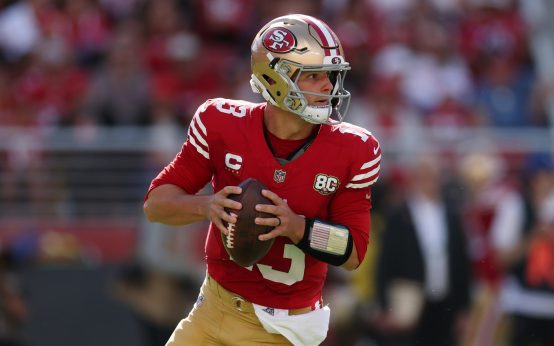 Brock Purdy’s Impressive Start in the 2026 NFL Season
  The Value of Retaining Miles McBride for the Knicks
  Penguins Make History with Dominant Season Opener
  Sonny Gray Expresses Frustration After Game Against Yankees