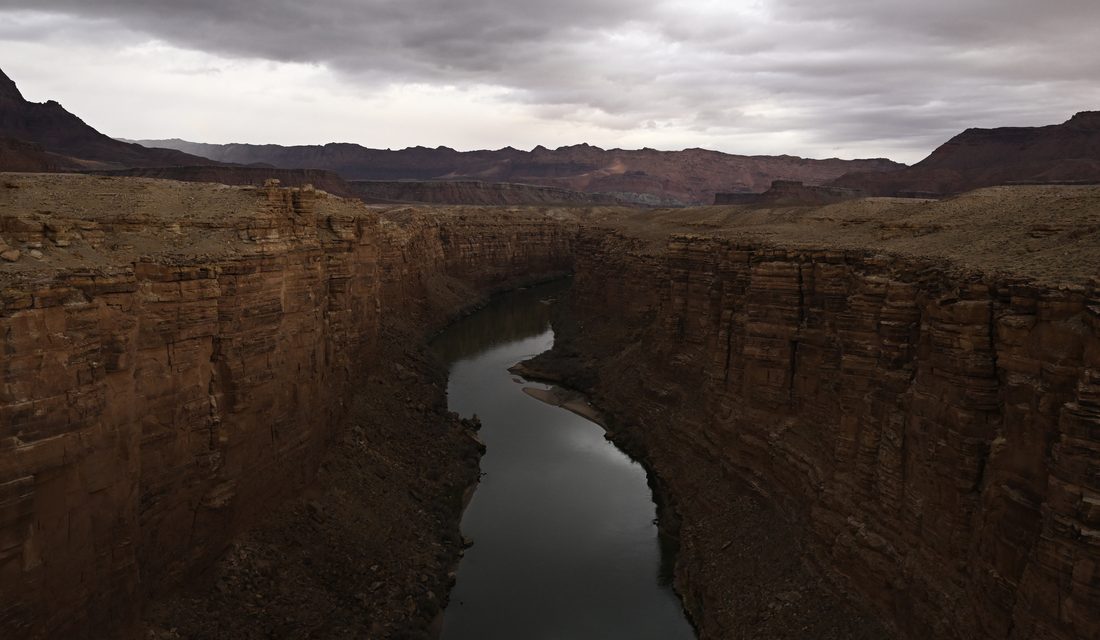
The Colorado River faces severe threats due to ongoing droughts intensified by climate change. A 2017 study predicts a drastic reduction in waterflow, potentially dropping by 30% by 2050 and 55% by 2100 because of greenhouse gas emissions. These findings highlight the urgent need for action and adaptation.
The impact of drying rivers can be vividly seen at Lake Mead. Water levels have plummeted, leaving noticeable marks on the surrounding mountains. The Mississippi River also faces challenges. Last October, low currents led to significant delays, causing thousands of barges—equivalent to 210,000 container trucks of corn and soybeans—to back up.
Laurence Smith, a professor at Brown University, emphasizes that human activities exacerbate these natural droughts. He asserts that the American West must adapt to using water resources more efficiently. In his conversation with Short Wave’s Emily Kwong, Smith advocates for innovative river management strategies. These strategies are crucial for improving waterway health and sustaining communities reliant on these water sources.
“We would have had a drought anyhow, but it’s human impact that has pushed it over the edge.” — Laurence Smith
Smith believes that smart management today will lead to a more climate-resilient future. His insights underscore the importance of facing these environmental challenges head-on to ensure water security.
 Senators Reach Bipartisan Agreement on Permitting Reform
  Experts Warn of Critical Period for the Colorado River
  Future Cities: Ambitious Projects Aiming for Innovation and Sustainability
  Supreme Court Case Suncor vs. Boulder: Implications for Accountability in Climate Change
  Hawaii Faces Impact of Record El Niño Through Recent Hurricanes
  Efforts to Save the Endangered American Red Wolf