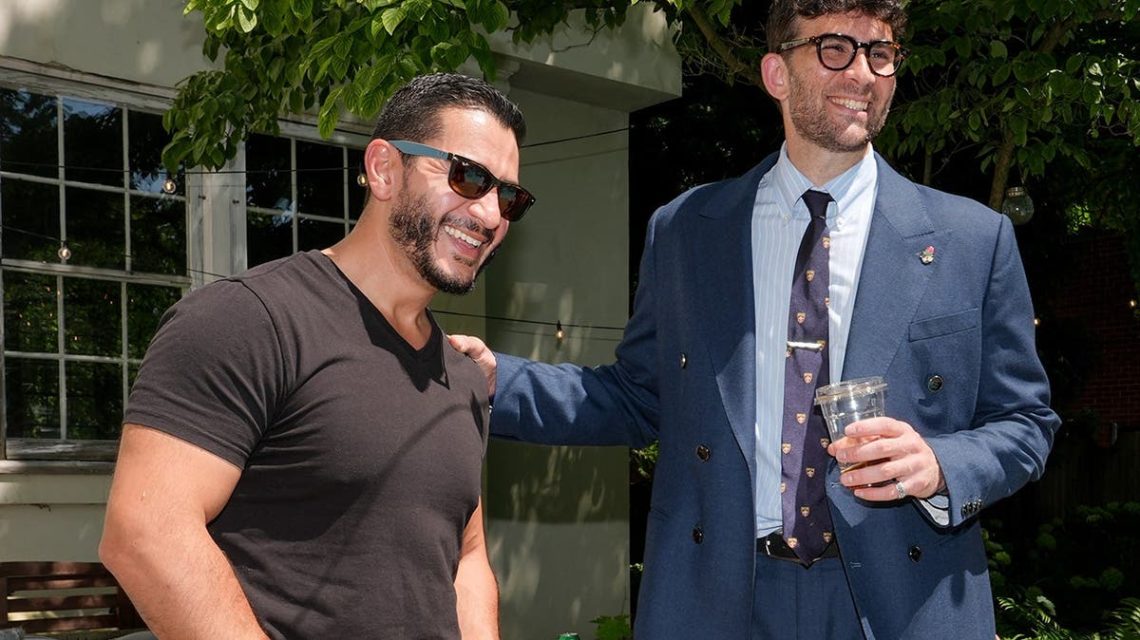
Abdul el-Sayed secured a primary win in the Michigan Senate race. This victory highlights the challenges Democrats and their media allies face in identifying radical elements. El-Sayed campaigned alongside controversial figures such as Hasan Piker, a known Twitch streamer and podcaster.
Now facing Republican Mike Rogers in the general election, Democratic networks defend el-Sayed against accusations involving Piker. Piker has made contentious statements, including claims that America deserved the 9/11 attacks and lauding Mao Zedong as a great leader. Recently, Piker appeared at a College Democrat meeting in a Mao-style suit, leading to more criticism.
An NBC Nightly News report mentioned el-Sayed’s connection to Piker. Reporter Shaquille Brewster stated, “He’s also been criticized for campaigning with controversial left-wing podcaster Hasan Piker, who said America deserved the 9/11 terror attacks.” El-Sayed disagreed with Piker’s views but did not disavow him.
Coverage of el-Sayed has been mixed. NBC’s Garrett Haake reported Republicans painting him as an extremist. Donald Trump was quoted saying, “The Communists want to take their ruinous and deadly ideology of misery and squalor to every state in America.” This statement suggests an exaggeration of el-Sayed’s views.
ABC’s Rachel Scott summarized the situation, stating that the president focused on el-Sayed to brand him as a communist. In response, el-Sayed asserted, “They’re going to point at me and go point at other names, like, well, he’s different. That’s the best you got?” The PBS News website labeled Piker as “a progressive and controversial influencer online.”
Former Obama strategist David Axelrod advised that Mike Rogers could use Piker to create distractions. He suggested avoiding comparisons to controversial figures associated with former President Obama. On NPR, Axelrod stated, “What you don’t want is for Mike Rogers to be able to create a distraction using the DSA and Hasan Piker.”
CNBC journalist Vaughn Hillyard reported that Democrats need to counter claims of socialistic and communistic influences in their ranks to win elections. He questioned the need for Democrats to strongly refute what he described as a “red scare.”
In a CNN interview, Pennsylvania Democrat Sen. John Fetterman distanced himself from Piker, saying, “I can’t come together with someone if you are willing to embrace people that love Hamas or that thinks America deserved 9/11.” When Kaitlan Collins asked el-Sayed for his response, he focused on those he campaigned to, not with.
Piker’s remarks supporting Hamas and his critical stance on Israel are controversial. Fetterman noted Piker’s willingness to vote for Hamas over Israel every time. Media coverage rarely addresses these extremist views.
Piker remains popular in certain media circles. The New York Times ran several pieces on him, highlighting his physique and perspectives. Titles like “A Progressive Mind in a Body Made for the ‘Manosphere'” demonstrate his dual appeal as both a controversial and intellectual figure.
Piker has a record of promoting violence. In 2025, Twitch suspended him for advocating violence against a Republican senator. Despite this, networks do not challenge el-Sayed on these connections.
The coverage of controversial comments is not equal. In 2012, Republican Senate candidate Richard Mourdock faced intense scrutiny over his remarks on God’s intentions for life. Reporters tied his comments to other Republicans, including Mitt Romney. However, similar thoroughness does not apply to Democrats.
Tim Graham, Executive Editor of NewsBusters.org, discusses these media biases. In his book “Unmasked: Big Media’s War Against Trump,” co-authored with Brent Bozell, he explores media dynamics in politics.
 State Department Simplifies Passport Process with Online Applications
 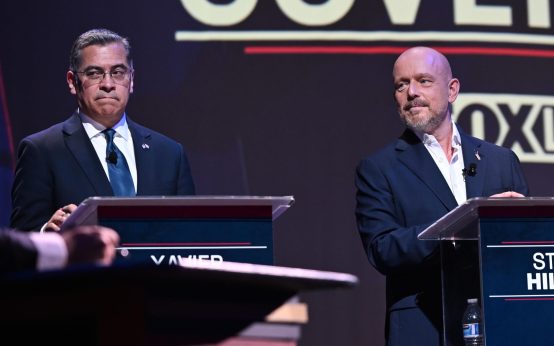 Becerra and Hilton Clash in California Gubernatorial Debate
  California Voters to Decide on $7.5 Billion State Research Fund
 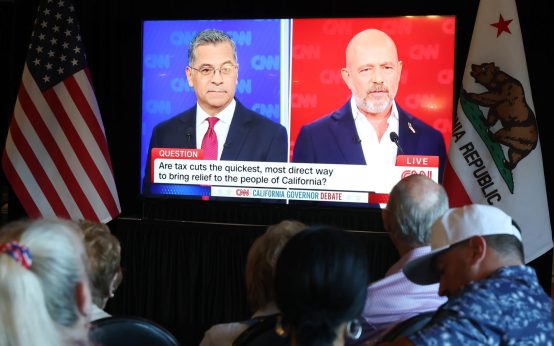 Highlights from the California Gubernatorial Debate: Becerra vs. Hilton
  Becerra vs. Hilton: The Debate and Key Issues in the California Governor Race
  Senate Confirms New Labor Secretary