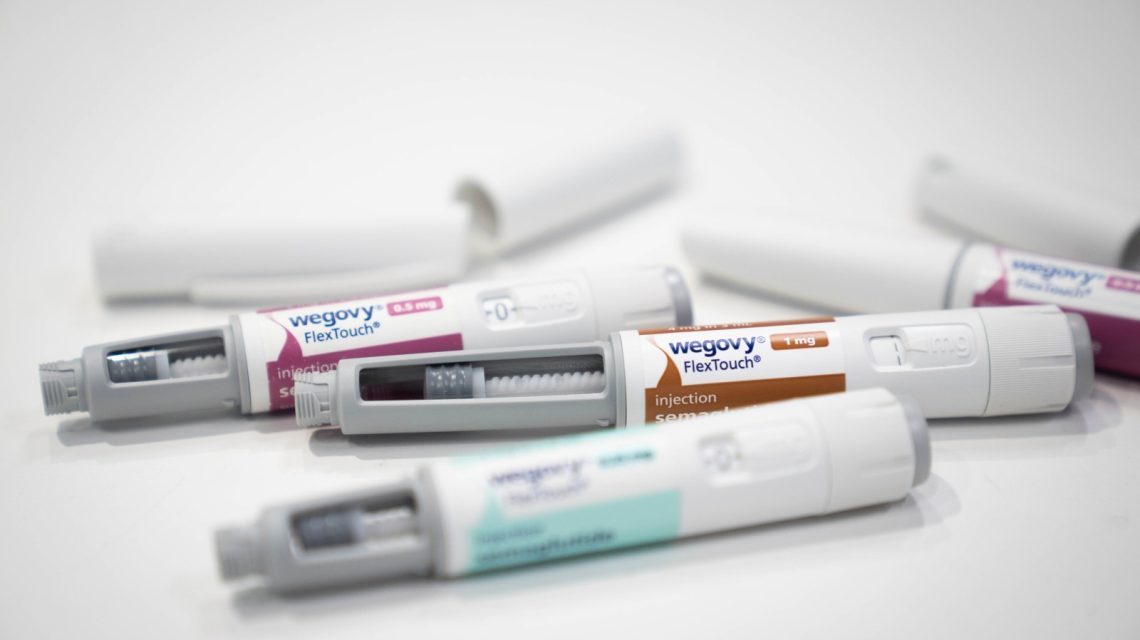
Millions of Medicare recipients may soon benefit from reduced costs for popular weight-loss medications. Some could pay as little as $50 monthly through a new federal initiative.
The Medicare GLP-1 Bridge Program
Launching on July 1, the Medicare GLP-1 Bridge program aims to broaden access to a high-demand class of medications previously out of reach for many seniors due to financial constraints.
Significance of the Initiative
This move represents a major change in Medicare drug access policies. Historically, federal regulations barred Medicare from covering weight-loss medications. However, GLP-1 drugs have gained popularity for promoting significant weight loss and reducing risks for chronic conditions like heart disease.
Despite recognized health benefits, the cost of GLP-1 medications has limited their accessibility. Without insurance, these costs can exceed $900 monthly, particularly impacting seniors on fixed incomes. By capping costs at $50 per month, the program could offer treatment access to millions of older Americans.
Program Details
Beginning July 1, Medicare beneficiaries with prescription drug coverage can access certain GLP-1 medications for a flat rate of about $50 monthly. This temporary “bridge” program is managed by the Centers for Medicare & Medicaid Services (CMS) and will run until December 31, 2027.
“These treatments are a major medical advancement, but too many seniors are currently unable to access them due to high cost,” CMS Administrator Dr. Mehmet Oz said. “The Medicare GLP-1 Bridge changes that by making these medications more affordable and accessible, while advancing our broader goal of helping Americans live healthier lives.”
GLP-1 drugs, including medications like Wegovy, Foundayo, and Zepbound, were initially developed for Type 2 diabetes but are now commonly used for weight loss and related conditions. The program’s structure exists outside standard Medicare channels.
According to Alex Beene from the University of Tennessee at Martin, “Medicare is effectively testing whether obesity medications can become a benefit for its broad base of participants, but because this program operates outside normal Part D coverage and its $50 payments do not count toward beneficiaries’ annual out-of-pocket totals, access after 2027 will depend on further revisions to either continue the program in its current form or make a more substantial effort to integrate it into existing Medicare services.”
Eligibility and Enrollment
Eligibility requirements include:
- Enrollment in a Medicare Part D or Medicare Advantage drug plan
- A doctor’s prescription and prior authorization
- Meeting medical criteria such as obesity or certain related conditions
Patients must work with their healthcare providers to submit necessary documentation through a centralized CMS system.
Medications Included
The program offers Part D members access to:
- Foundayo
- Wegovy (injection or tablet)
- Zepbound (KwikPen)
Pricing Structure
Unlike typical Medicare drug benefits, this program functions independently of standard Part D rules. The $50 monthly fee is a flat copay, not counted toward a beneficiary’s deductible or annual out-of-pocket limits.
Kevin Thompson, CEO of 9i Capital Group, noted important questions about costs and sustainability, stating, “What we do know is that many people regain weight quickly after stopping them, which suggests this may become a lifelong medication for many users. From a financial standpoint, someone is ultimately footing the bill, and right now there are very few answers about what happens after December 31, 2027.”
Actionable Steps for You
If you are on Medicare, consider the following:
- Check eligibility: Consult your doctor about your qualifications.
- Confirm drug coverage: Verify that your medication is included.
- Prepare for July 1: The program begins on this date nationwide.
Future Considerations
The GLP-1 Bridge is intended as a temporary measure to inform future CMS policy decisions. Long-term future is uncertain. If the program is not extended beyond 2027, patient access may lapse, potentially reversing health gains made during the program.
Alex Beene highlights the risk, “The greatest concern is that while in the short-term the program could provide health benefits to those who need help with weight management, in the long-term those same problems could return if there is a failure to extend the program past its current end date.”
 Increased Funding Needed for Psychiatric Hospitals
  Trump Administration Distributes ACA Refund Checks
  Higher Consumption of Ultra-Processed Foods Linked to Increased Health Risks
  Understanding Inflammation: Myths and Facts
  Calm Parenting: Strategies to Manage Stress
  Trump’s Executive Order to Combat Mosquitoes and Ticks in D.C.