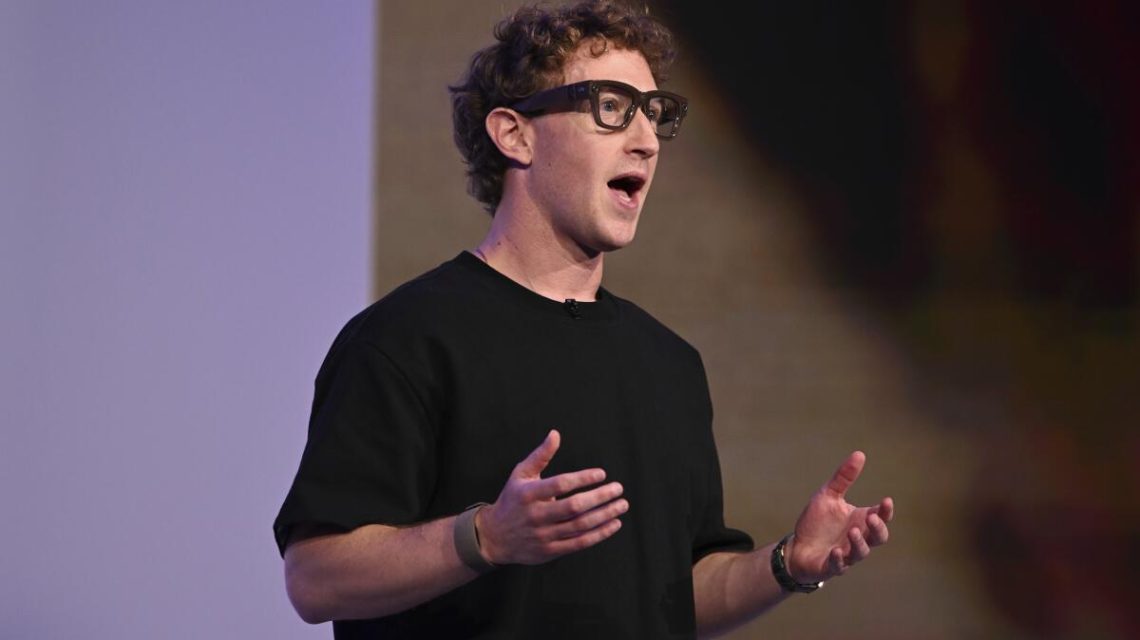
Meta aims to establish its smart glasses as a leading product, yet they have attracted criticism, being labeled as “pervert glasses” by some. The glasses permit users to capture photos and videos, listen to music, make phone calls, and interact with an AI assistant. However, some individuals misuse them to record others secretly, leading to serious privacy and ethical concerns.
These glasses, resembling standard eyewear, have been used by some to secretly videotape attempts to pick up women, sharing these interactions on social media. The rising anxiety about being recorded in places like gyms or during intimate moments has pressed Meta to update their privacy features. Some establishments have even banned these glasses.
Jitesh Ubrani from IDC suggests that this type of negative publicity may hinder the adoption of smart glasses among mainstream consumers. The rapid emergence of AI technologies stirs public debate concerning their implications. Jacob Bourne, an analyst at eMarketer, notes this sensitivity as the tech industry struggles to maintain positive consumer perception.
Incidents like those experienced by Gaby Luisa illuminate the problem. While outside an Arizona club, she declined a man’s advances, unaware their exchange was recorded on smart glasses. Such unauthorized recordings then appeared online, creating outrage over the exploitation of individuals without their consent.
Meta offers these glasses at major retailers and online, with prices ranging from approximately $224 to $800. Collaborations with brands like Ray-Ban, Oakley, and celebrities such as Kylie Jenner and Jennie from Blackpink enhance their market presence. In the first quarter of this year, Meta controlled about 69% of the market for smart glasses.
Despite being equipped with a flashing white light to indicate recording, some users circumvent this safeguard by modifying the glasses. Viral videos have popularized stealth recordings, increasing fears of privacy invasion.
Meta maintains that their AI glasses provide genuine utility, supporting music listening, translation, and hands-free calling. Recent updates disable the camera if tampered with, and Meta aims to further enhance privacy protections. Meanwhile, platforms like Instagram continue to enforce policies against content that violates privacy rights.
Industry giants such as Apple, Google, Samsung, and Snap are also exploring this technological space. Analysts foresee growth potential tempered by similar privacy challenges. Advocacy groups like the ACLU urge Meta to halt any facial recognition tool implementations in these devices due to privacy risks.
Smart glasses have faced public resistance before. Google Glass encountered backlash for intrusive functionalities, earning users the nickname “Glassholes.” Similar to Snap’s AR glasses, they have struggled in consumer markets due to privacy concerns.
Smart glasses have affected social dynamics, as noted by Ben Cook, a TikTok creator and Meta glasses user. He prefers not to wear them to social events to avoid misunderstandings, emphasizing respect for others’ privacy.
In courtrooms, like during a Los Angeles trial, these devices draw judicial attention, evoking concerns over unauthorized recordings. The University of San Francisco once issued a warning about a person using Meta Ray-Ban sunglasses inappropriately.
Some businesses, such as The 5 Point Cafe in Seattle, have preemptively banned such technology from their premises, emphasizing the importance of patron privacy.
Innovators like Yves Jeanrenaud are developing apps to alert people when smart glasses are nearby, reflecting society’s ongoing struggle to balance privacy and technological advancement. His app, ‘Nearby Glasses,’ though not always accurate in identifying users, has gained attention for raising awareness.
 Trump’s 2024 Campaign Targets Young Men Through Cryptocurrency
  How Modern Windows Improve Home Insulation
  State Department Simplifies Passport Process with Online Applications
  Senate Democrats Block Data Center Bill Over Efficiency Concerns
  Future Cities: Ambitious Projects Aiming for Innovation and Sustainability
  High-Profile Hearing and AI Developments: Key Political Moves