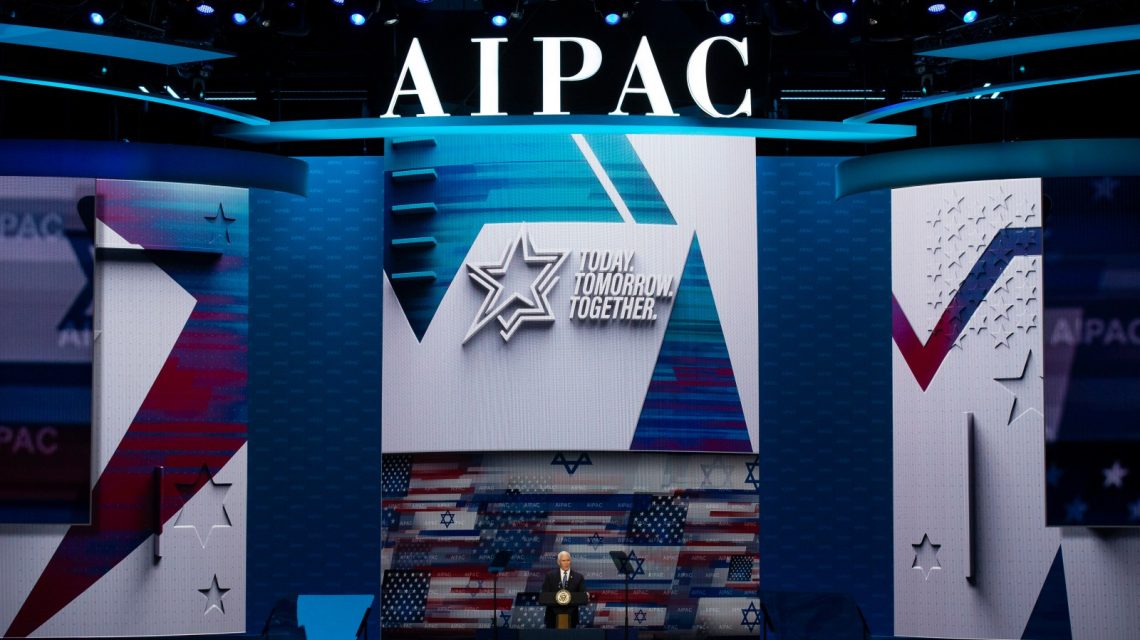
The Influence of AIPAC-Affiliated Funding
The Democratic Senate primary in Michigan is seeing significant financial influence from an AIPAC-affiliated super PAC called United Democracy Project. Nearly $15 million has been spent, largely in support of Representative Haley Stevens. Around $9.3 million backs Stevens, while about $5.7 million is aimed at opposing Abdul El-Sayed, her Democratic rival and former public health official.
Stevens, who has criticized Israeli Prime Minister Benjamin Netanyahu, finds herself in the midst of intense scrutiny over outside spending. The race is crucial as Republicans eye it as a chance to flip a Democratic-held seat, following Senator Gary Peters’ retirement announcement.
Debate over Israel and Public Spending
The Democratic primary has escalated the party’s ongoing discussion about Israel and the impact of political funding. Bernie Sanders, supporting El-Sayed, criticized the outsized spending, arguing that a billionaire-backed super PAC should not influence U.S. elections. El-Sayed has made opposition to AIPAC-backed financing a key part of his campaign, accusing Stevens of trying to purchase a Senate seat. Stevens responded firmly, claiming nobody owns her vote or policies.
Polling Dynamics and Candidate Positions
Recent polling indicates a competitive race. A Detroit News/WDIV-TV survey shows Stevens leading El-Sayed by 7 percentage points among likely Democratic primary voters. A different poll by Tavern Research indicates a closer margin, with Stevens slightly ahead. Meanwhile, some polls show El-Sayed leading in earlier stages when state Senator Mallory McMorrow was still in the race.
El-Sayed advocates ending U.S. military aid to Israel and has criticized its military actions in Gaza. In contrast, Stevens has received support from pro-Israel groups and emphasizes U.S. commitments to Israel and tackling antisemitism.
Changing Public Opinion on Israel
Public attitudes in the U.S. have shifted regarding support for Israel. A New York Times/Siena College poll shows high opposition among Democrats to additional aid to Israel. Recent polls reflect a growing division, with many Democrats viewing AIPAC unfavorably.
The contest for Michigan’s Senate seat reflects broader changes in public sentiment. A survey indicates a rising percentage of Democrats now support Palestinians more than previously, and favorability towards Israel has diminished within the party.
Race to the General Election
The Democratic primary will determine who faces likely Republican candidate Mike Rogers. With strong backing from Senate Minority Leader Chuck Schumer and others, Stevens is deemed a moderate choice to keep the seat Democratic by uniting independents and moderate Republicans.
Progressives, however, favor El-Sayed, believing he appeals more to left-leaning voters and Arab Americans in Michigan. The regional dynamics and key endorsements, like Sanders’, underscore potential shifts in voter turnout and preference.
“The primary embodies a wider test of the Democratic Party’s future direction,” noted political analysts.
Michigan’s primary is scheduled for August 4, with early voting starting on July 25. This race stands as a litmus test for national politicians closely watching tactical shifts and voter priorities.
 Defense Secretary Emerges as Key Player in the Trump Administration
  Hegseth’s Vision for the Military: Balancing Tradition and Innovation
 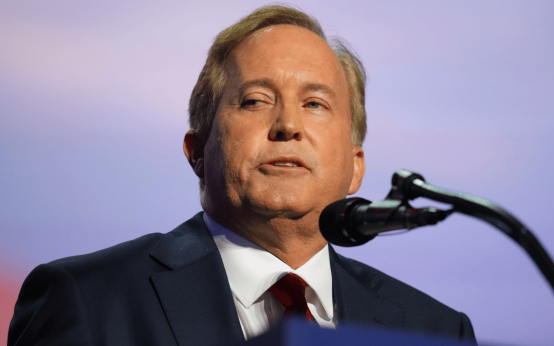 Significant Funding Boosts Ken Paxton’s Texas Senate Campaign Amid Tight Race
 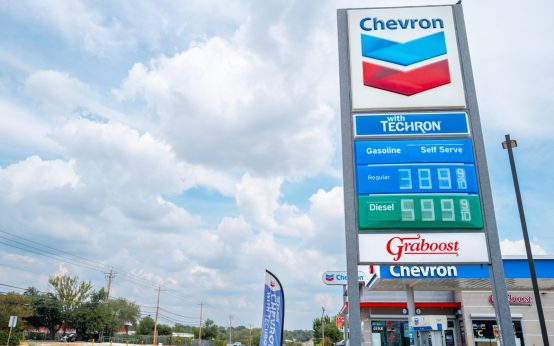 U.S. States Extend Gas Tax Waivers Amid Rising Fuel Costs Due to Iran Conflict
  USCIS Raises Immigration Fees
  The Surveillance Threat to U.S. Federal Agents